


In 1606, King James I of England bestowed a royal charter upon the Virginia Company of London, marking the beginning of a new era in colonial exploration and settlement. This prestigious grant empowered the company to establish colonial settlements in North America, sparking a series of events that would shape the course of history.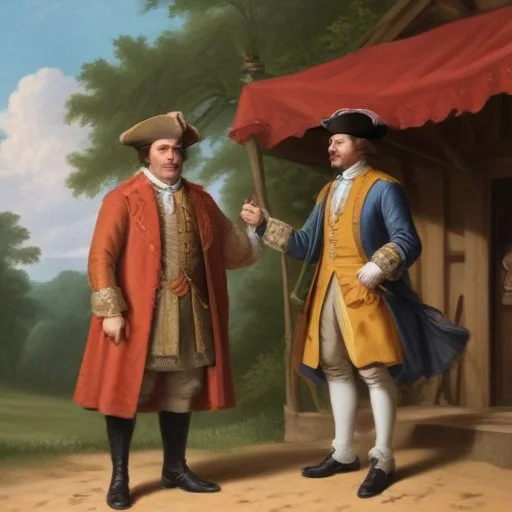
The Virginia Company of London was a joint-stock company, comprising a group of merchants, investors, and adventurers who shared a common goal: to capitalize on the riches of the New World and expand British influence. The company's founding was a response to the growing competition from other European powers, particularly Spain, which had already established a foothold in the Americas.
The Virginia Company's success was largely owed to the vision and perseverance of its key figures. Richard Hakluyt, a renowned explorer and geographer, played a crucial role in convincing King James I to grant the charter. Hakluyt's passion for exploration and his expertise in navigation made him an invaluable asset to the company. Another prominent figure was Sir Ferdinando Wainman, a skilled diplomat and strategist who helped navigate the complexities of royal court politics.
April 10, 1606: The Virginia Company of London is granted a royal charter by King James I, granting it the right to establish colonial settlements in North America.
The Virginia Company's establishment of Jamestown marked the beginning of a new era in colonial settlement. The company's venture opened up new opportunities for trade, exploration, and cultural exchange between the Old and New Worlds. However, this ambitious endeavor was not without its challenges. The company faced numerous setbacks, including disease, hunger, and conflicts with native populations.
The Virginia Company's presence in the New World had a profound impact on the cultural and social landscape of North America. The company's settlers brought with them their language, customs, and traditions, which eventually merged with those of the native populations. This cultural exchange gave rise to a unique blend of European and Native American influences, shaping the course of American identity.
The Virginia Company's legacy has been marred by controversy and public debate. Critics have argued that the company's actions were driven by greed and a desire for territorial expansion, rather than a genuine interest in exploration or cultural exchange. The treatment of native populations, particularly the Powhatan Confederacy, has been a subject of ongoing criticism and debate.
Despite the challenges and controversies, the Virginia Company's story serves as a testament to human perseverance and determination. The company's settlers faced unimaginable hardships, from disease and hunger to conflicts with native populations. Yet, they persevered, driven by their vision of a new life in the New World.
The Virginia Company of London's establishment by royal charter marked the beginning of a new chapter in colonial exploration and settlement. While the company's legacy is complex and multifaceted, its impact on the course of American history is undeniable. Today, we remember the Virginia Company as a symbol of human ambition, perseverance, and the unrelenting spirit of exploration.
The Virginia Company's charter was not an isolated event, but rather part of a broader trend of European colonization in the early 17th century. The English were not the only ones vying for control of the New World; the French, Spanish, and Dutch were also establishing their own colonies. The competition for resources and territory led to a series of conflicts, including the Anglo-Spanish War, which further fueled the desire for English colonization.
In this context, the Virginia Company's charter can be seen as a strategic move by the English government to counter the influence of other European powers. King James I was keenly aware of the economic benefits of colonization, and the charter was a way to encourage private investment in the New World.

Sir Ferdinando Wainman, one of the key figures behind the Virginia Company, was a skilled diplomat and strategist. Born into a noble family, Wainman was educated at Oxford and later served as a member of Parliament. He was instrumental in convincing King James I to grant the charter, and his connections in the royal court proved invaluable in navigating the complexities of royal politics.
Wainman's role in the Virginia Company was multifaceted; he served as both a negotiator and a strategist, helping to secure funding and resources for the company's expeditions. His legacy is still felt today, with many historians crediting him with paving the way for English colonization in North America.
The Virginia Company's arrival in the New World had a profound impact on the indigenous population. The company's settlers brought with them new diseases, technologies, and cultural practices that would forever alter the Native American way of life. The Powhatan Confederacy, in particular, was affected by the English presence, with many of its members dying from disease or being forced to adapt to new technologies.
The cultural exchange was not, however, a one-way street. Many English settlers adopted Native American practices, such as farming and hunting techniques, which helped them survive in the harsh New World environment. This exchange also led to the development of new languages, customs, and traditions that would shape the course of American identity.

The Virginia Company's establishment of Jamestown marked the beginning of a new era in transatlantic trade. The company's settlers brought with them goods such as tobacco, sugar, and spices, which were traded with the Native American population and shipped back to England. The profits from these trades were substantial, and the company's investors were quick to realize the economic potential of the New World.
The company's economic impact was not limited to trade; the settlement of Jamestown also led to the development of new industries, such as shipbuilding and textiles. The influx of capital and labor transformed the English economy, making it more diverse and complex.
The Virginia Company's charter was a masterclass in political maneuvering. King James I, who was keen to expand English influence in the New World, used the charter to appease his subjects while also securing his own political power. The company's investors, many of whom were members of Parliament, were placated by the promise of economic returns, while the king was able to consolidate his power by granting favors to his supporters.
The charter also marked a significant shift in the balance of power between the English monarchy and the Parliament. By granting a charter to a private company, the king was able to bypass traditional checks on his power, establishing a new precedent for royal authority in the colonies.