


The Washington Naval Treaty, signed on February 6, 1922, in Washington, D.C., marked a pivotal moment in world history, as the United States, Britain, Japan, France, and Italy agreed to limit their naval armaments, preventing an all-out arms race and paving the way for a new era of international cooperation.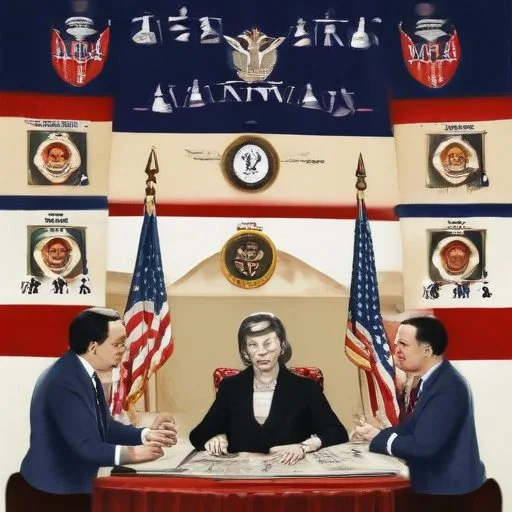
In the aftermath of World War I, the world was left to pick up the pieces and rebuild. The devastation and loss of life had a profound impact on nations, leading to a growing desire for peace and disarmament. The rise of naval power and the fear of another devastating conflict led to a series of diplomatic efforts to establish limitations on naval armaments.
The Washington Naval Treaty had far-reaching consequences, including:
The Washington Naval Treaty reflected a growing desire for peace and disarmament in the aftermath of World War I. The treaty embodied the hopes and aspirations of a generation, seeking to prevent another devastating conflict and promote international cooperation.
Charles Evans Hughes, in his memoirs, recounted the intense negotiations and diplomatic efforts that led to the signing of the treaty, highlighting the complexities and challenges of the process.
The Washington Naval Treaty paved the way for future diplomatic efforts, including the Geneva Naval Conference of 1927 and the London Naval Treaty of 1930. These agreements continued to limit naval armaments and promote international cooperation, shaping the course of world history.
As we reflect on this historic event, we are reminded of the importance of collaboration and the pursuit of peace, encouraging us to strive for a world where nations work together to promote understanding and prevent conflict.
The road to the Washington Naval Treaty was paved by a series of diplomatic efforts, including the London Naval Conference of 1908 and the Hague Conferences of 1899 and 1907. These conferences established the groundwork for international cooperation and disarmament, setting the stage for the historic treaty.
In the aftermath of World War I, the United States, Britain, and Japan began to discuss the possibility of limiting naval armaments. The three powers recognized the devastating consequences of an arms race and the need for collective action to prevent another global conflict.
The Washington Naval Conference, which convened in November 1921, brought together delegations from the United States, Britain, Japan, France, and Italy. The conference was marked by intense negotiations, with each nation seeking to protect its interests while also working towards a mutually beneficial agreement.
Louis Barthou, the French Minister of War, played a crucial role in securing France's participation in the Washington Naval Treaty. A staunch advocate for disarmament, Barthou recognized the importance of limiting naval armaments and worked tirelessly to ensure France's interests were represented.
Barthou's diplomatic efforts were instrumental in convincing France to accept the treaty's limitations on naval tonnage. His commitment to disarmament and international cooperation paved the way for France's active role in future diplomatic efforts.
The Washington Naval Treaty reflected a significant shift in cultural attitudes towards war and peace. In the aftermath of World War I, the world was left to pick up the pieces and rebuild. The devastating consequences of the war had a profound impact on nations, leading to a growing desire for peace and disarmament.
The treaty embodied the hopes and aspirations of a generation, seeking to prevent another devastating conflict and promote international cooperation. The cultural impact of the treaty was profound, inspiring a new era of diplomacy and cooperation that would shape the course of world history.
The Washington Naval Treaty marked a significant shift in the global balance of power. The treaty's limitations on naval armaments ensured that no single nation could dominate the seas, reducing the risk of conflict and promoting a more stable international order.
The treaty's success was contingent on the ability of nations to put aside their differences and work towards a common goal. The diplomatic efforts that led to the treaty's signing demonstrated the power of international cooperation, paving the way for future agreements and treaties.
The Washington Naval Treaty must be viewed within the context of the post-World War I era. The war had left Europe in ruins, and the world was desperate for peace and stability. The treaty was a direct response to the fear of another devastating conflict, and its success was contingent on the ability of nations to work together to prevent an arms race.
The treaty's significance extends beyond the naval arena, as it marked a turning point in international relations. The treaty demonstrated that nations could put aside their differences and work towards a common goal, paving the way for future diplomatic efforts and shaping the course of world history.