


In a shocking turn of events, former White House aide Alexander Butterfield dropped a bombshell on July 16, 1973, revealing the existence of a secret Oval Office taping system to investigators for the Senate Watergate Committee. This explosive testimony sent shockwaves through the nation, potentially holding the key to unraveling the mysteries of the Watergate scandal and President Nixon's clandestine activities.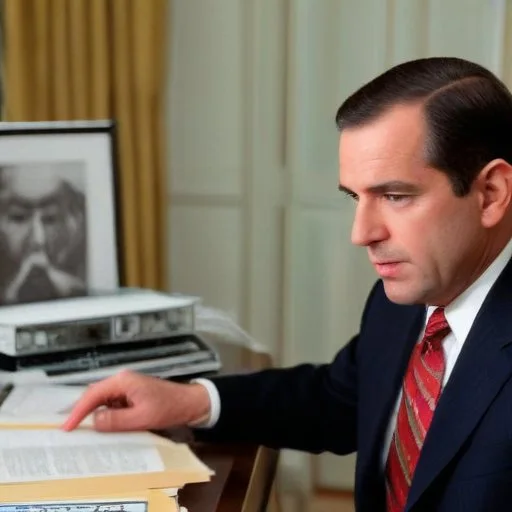
The Watergate scandal was a web of deceit and corruption that rocked the foundations of American politics. It began on June 17, 1972, when five men were arrested for breaking into the Democratic National Committee headquarters at the Watergate complex in Washington D.C. As the investigation unfolded, it became clear that the break-in was linked to the Committee to Re-elect the President (CREEP), a re-election campaign for President Richard Nixon.
Alexander Butterfield, a former White House aide, played a crucial role in the revelation of the secret taping system. As Deputy Assistant to the President, Butterfield oversaw the installation of the recording system in 1971, allegedly at the request of President Nixon himself. The system, designed to capture conversations and meetings in the Oval Office, was intended to aid the President in recalling conversations and preparing for speeches.
The revelation of the secret taping system had far-reaching consequences, including:
Alexander Butterfield's testimony before the Senate Watergate Committee remains one of the most iconic moments in American political history:
"I was aware of listening devices, yes, sir."
— Alexander Butterfield, July 16, 1973
The Watergate scandal and the revelation of the secret taping system had a profound impact on American culture, inspiring numerous films, books, and documentaries. The scandal also led to increased public scrutiny of government officials, fueling a growing distrust of politicians and institutions.
The existence of the secret taping system raised serious questions about President Nixon's motivations and the extent of his involvement in the cover-up. The scandal sparked heated debates about government transparency, accountability, and the limits of executive power.
The Watergate scandal and the revelation of the secret taping system paved the way for future government reforms, including the establishment of the Freedom of Information Act and the Foreign Intelligence Surveillance Act. The scandal also led to increased scrutiny of government surveillance and monitoring practices.
Alexander Butterfield's testimony before the Senate Watergate Committee earned him a place in history as a key figure in the Watergate scandal. His bravery and honesty in coming forward with the truth about the secret taping system have been recognized as a crucial turning point in the investigation.
In his 1995 memoir, In the Shadow of the Oval Office, Alexander Butterfield reflected on his role in the Watergate scandal, revealing the personal struggles and moral dilemmas he faced during that tumultuous period.
The revelation of the secret taping system and the subsequent fall of President Nixon serve as a powerful reminder of the importance of government transparency and accountability. As we look to the future, it is essential that we continue to hold our leaders accountable and ensure that such abuses of power never occur again.
The Watergate scandal was a complex web of events that unfolded over several years, with Alexander Butterfield's revelation of the secret taping system being a crucial turning point. To fully understand the significance of this event, it is essential to examine the historical context in which it occurred. The Nixon administration's paranoia and obsession with secrecy created an environment in which such abuses of power could thrive.
In the early 1970s, the Cold War was at its height, and the Nixon administration was fixated on perceived threats from communism and socialism. This fear led to a culture of surveillance and espionage, with the White House using various means to gather intelligence on its political opponents.
The break-in at the Democratic National Committee headquarters at the Watergate complex was just one example of this culture of espionage. The subsequent cover-up and attempts to conceal the truth from the public only added to the sense of unease and mistrust that pervaded American society at the time.

Alexander Butterfield was a highly respected and efficient administrator who rose through the ranks of the Nixon administration. However, his role in the Watergate scandal reveals a more complex and nuanced individual. Butterfield's decision to reveal the existence of the secret taping system was a courageous act that showcased his commitment to the truth and his unwillingness to be complicit in the administration's wrongdoings.
Despite his role in the scandal, Butterfield's personal integrity and sense of morality were never in question. His actions demonstrate that even in the most chaotic and confusing of times, individuals can make a difference by standing up for what is right.
Butterfield's character serves as a powerful reminder of the importance of individual accountability and the role that ordinary people can play in shaping historic events.The revelation of the secret taping system had a profound impact on American culture, inspiring a wave of films, books, and documentaries that examined the Watergate scandal and its consequences. The scandal also led to increased public scrutiny of government officials, fueling a growing distrust of politicians and institutions.
The Watergate scandal can be seen as a catalyst for the erosion of trust in government that characterized the 1970s and 1980s. The scandal's impact on popular culture can be seen in films like All the President's Men, which dramatized the events surrounding the scandal.
The Watergate scandal's cultural significance extends beyond its political implications, serving as a powerful symbol of the dangers of unchecked power and the importance of a free press.
The tapes recorded by the secret Oval Office taping system are a unique historical artifact, offering a fascinating glimpse into the private conversations and meetings of President Nixon and his advisors. The tapes provide a candid and unvarnished view of the inner workings of the Nixon administration, revealing the personalities, motivations, and conflicts that shaped the president's decision-making process.
The tapes are also significant because they provide a contemporaneous record of events, free from the distortions and biases of hindsight. They offer a unique window into the past, allowing historians and researchers to gain a more nuanced understanding of the Watergate scandal and its significance.
The tapes recorded by the secret Oval Office taping system are an invaluable resource for historians and scholars, providing a unique insight into the workings of the Nixon administration.The Watergate scandal raises important philosophical and ideological questions about the nature of power, accountability, and democracy. The scandal highlights the dangers of unchecked executive power and the importance of institutional checks and balances in preventing abuses of authority.
The scandal also raises important questions about the role of the media in a democratic society, highlighting the importance of a free and independent press in holding those in power accountable. The scandal's impact on American politics and society serves as a powerful reminder of the importance of protecting and preserving democratic values and institutions.
The Watergate scandal serves as a powerful symbol of the importance of defending democratic values and institutions against the dangers of authoritarianism and abuse of power.