


In a historic decision that stunned the nation, President Gerald Ford signed Proclamation 4311 on September 8, 1974, granting a full and unconditional pardon to his predecessor, Richard Nixon, for any crimes committed during his presidency. This extraordinary act aimed to bring closure to the infamous Watergate scandal, which had ravaged American politics for over two years.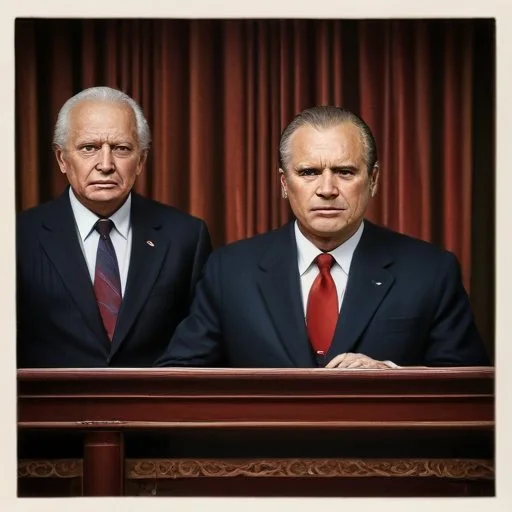
The pardon sparked intense debate, with many questioning the limits of presidential authority and the implications of such a move. Was Ford's decision a courageous attempt to heal the nation's wounds, or a calculated ploy to protect his predecessor and maintain the status quo?
In the aftermath of Nixon's resignation on August 9, 1974, Ford faced immense pressure to bring closure to the Watergate saga. With Nixon's successor, Vice President Spiro Agnew, already embroiled in his own corruption scandal, Ford knew he had to act swiftly to restore faith in the presidency.
After weeks of deliberation, Ford consulted with his closest advisors and ultimately decided that a pardon was the only way to move forward. The decision was influenced by Ford's desire to avoid a prolonged and potentially divisive trial, which could have further destabilized the nation.
Ford's pardon sparked widespread outrage, with many arguing that it undermined the rule of law and set a dangerous precedent. Critics claimed that the move obstructed justice, allowed Nixon to escape accountability, and reinforced the notion that those in power were above the law.
The pardon is a body blow to the rule of law and the concept of equal justice under law. - Archibald Cox, Former Watergate Special Prosecutor
Gerald Ford, often portrayed as an accidental president, was thrust into the Oval Office following Nixon's resignation. Ford's decision to pardon Nixon was a defining moment in his presidency, earning him both praise and criticism.
Ford's motivations behind the pardon remain complex and multifaceted. While some saw it as a genuine attempt to heal the nation, others believed it was a calculated move to shield Nixon from accountability and protect the Republican Party's reputation.
The pardon's impact on American history cannot be overstated. It set a precedent for future presidential pardons, sparking debate about the limits of executive power and the role of accountability in American politics.
The Watergate scandal, culminating in Ford's pardon, led to significant reforms in government transparency, accountability, and ethics. The scandal also spawned a new era of investigative journalism, as exemplified by the work of Bob Woodward and Carl Bernstein.
The pardon of Richard Nixon serves as a powerful reminder of the complexities and nuances of American politics. It raises important questions about the balance between justice, accountability, and the rule of law, and the often-blurred lines between personal loyalty and public duty.
In the end, Ford's pardon of Nixon remains a poignant and thought-provoking chapter in American history, one that continues to resonate in contemporary politics and beyond.
The pardon of Richard Nixon by Gerald Ford sparked a significant debate about the limits of presidential power and the role of accountability in American politics. The decision was seen by many as an attack on the rule of law, and it raised important questions about the balance between justice and mercy.
Ford's decision was also influenced by his desire to avoid a prolonged and potentially divisive trial, which could have further destabilized the nation. By granting a pardon, Ford aimed to bring closure to the Watergate saga and restore faith in the presidency.
The pardon also had significant implications for the relationship between the executive and legislative branches of government. It highlighted the tension between the president's power to grant pardons and Congress's power to conduct investigations and oversight.

Gerald Ford's decision to pardon Richard Nixon was shaped by his own personal and political values. Ford was a strong believer in the importance of forgiveness and mercy, and he saw the pardon as an opportunity to bring healing and closure to the nation.
Ford's background as a congressman and vice president also influenced his decision. He was known for his strong sense of duty and his commitment to serving the country, and he saw the pardon as a way to fulfill his obligations as president.
Ford's leadership style was also characterized by his willingness to listen to advice and consider different perspectives. He consulted with a range of advisors and experts before making his decision, and he was open to feedback and criticism.
The pardon of Richard Nixon had a significant impact on American culture, sparking widespread debate and reflection on the role of politics and accountability in society.
The pardon also had an impact on popular culture, with many artists and writers referencing the event in their work. From films and television shows to music and literature, the pardon of Nixon became a powerful symbol of the complexities and contradictions of American politics.
The pardon also influenced the way Americans think about politics and accountability, raising important questions about the balance between justice and mercy and the role of forgiveness in public life.

The road to the pardon of Richard Nixon was a long and complex one, marked by twists and turns that reflected the tumultuous state of American politics in the 1970s.
The Watergate scandal, which began with the break-in at the Democratic National Committee headquarters in June 1972, had been slowly unraveling for over two years by the time Ford took office.
Ford's decision to pardon Nixon was the culmination of a series of events that had brought the nation to a point of crisis, from the revelations about the Nixon administration's abuses of power to the president's own resignation.
The pardon of Richard Nixon raises important questions about the role of forgiveness and mercy in public life, and the tensions between justice and compassion.
From a philosophical perspective, the pardon can be seen as a reflection of the complex and often conflicting values that underlie American politics, from the importance of accountability to the need for healing and closure.
The pardon also highlights the difficulties of balancing individual accountability with the broader needs of society, and the challenges of reconciling competing values and principles in public policy.