


The Willow Island disaster stands as a grim reminder of the devastating consequences of engineering flaws and human error. On that fateful day, the collapse of a half-built cooling tower at the Pleasants Power Station in West Virginia claimed the lives of 51 construction workers, forever etching it as the deadliest construction accident in United States history.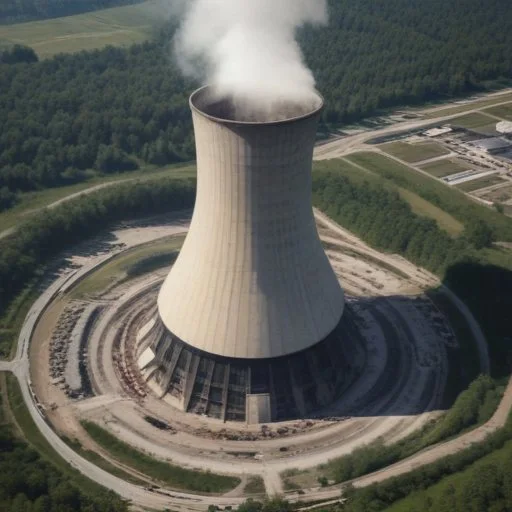
The Pleasants Power Station, situated in rural Willow Island, West Virginia, was a behemoth of industrial progress. The construction of its colossal cooling tower, designed to support the power plant's operations, was a marvel of modern engineering. However, on April 27, 1978, disaster struck when the tower suddenly gave way, sending 51 unsuspecting workers plummeting to their deaths.
An investigation into the tragedy revealed a fatal flaw in the tower's design and construction. The tower's foundation, consisting of a single large caisson, was unable to withstand the weight of the concrete and steel structure. Additionally, the construction process was marred by inadequate quality control, rushed timelines, and a lack of communication between contractors.
The Willow Island disaster shocked the nation, prompting widespread outrage and grief. The victims, many of whom were young men with families, were remembered in memorial services and commemorations. In the years following the tragedy, safety regulations in the construction industry were overhauled, and the disaster became a cautionary tale for engineers, contractors, and workers alike.
The Willow Island disaster led to sweeping changes in the construction industry, with a renewed focus on safety protocols, worker training, and quality control. Today, the tragedy serves as a reminder of the importance of prioritizing human life and safety in the pursuit of progress and innovation. As we remember the 51 lives lost that fateful day, we honor their memory by striving to build a safer, more responsible future.
Survivors of the disaster, including those who lost loved ones, shared their harrowing accounts of the tragedy. One worker, who narrowly escaped the collapse, recalled the sound of "a loud rumble, like thunder," as the tower came crashing down. Another bereaved family member remembered the devastating news that would forever change their lives.
The Willow Island disaster bears eerie similarities to other construction accidents, such as the 1980 Hyatt Regency walkway collapse in Kansas City. Both tragedies highlight the importance of rigorous safety standards, thorough inspections, and open communication in the construction industry. By examining these catastrophic events, we can learn valuable lessons to prevent future disasters.
A monument stands in Willow Island, West Virginia, as a poignant tribute to the 51 workers who lost their lives in the tragedy. The inscription, etched into the stone, reads: "In memory of the 51 men who lost their lives in the construction of the Pleasants Power Station." As we remember the Willow Island disaster, we honor the victims, their families, and the importance of prioritizing safety in all aspects of life.
The original blueprints of the cooling tower, recently unearthed from archival records, reveal a striking contrast between the ambitious design and the fatal flaws that led to the disaster. A closer examination of the plans reveals a lack of redundancy in the foundation's design, which would have provided an added layer of safety in case of structural failure.
The calculations and load-bearing estimates, made available through Freedom of Information requests, show a significant miscalculation in the tower's weight capacity. This oversight, compounded by the rushed construction timeline, created a perfect storm of circumstances that led to the tragic collapse.
The Willow Island disaster sent shockwaves across the nation, sparking widespread grief and outrage. The tragedy was magnified by the media, with newspapers and television broadcasts dedicating extensive coverage to the event. This widespread attention helped galvanize public opinion, prompting demands for greater accountability in the construction industry.
The disaster also had a profound impact on the local community, where many residents had personal connections to the victims. In the aftermath, townspeople came together to support the bereaved families, fostering a sense of solidarity and shared trauma.
The Willow Island disaster had far-reaching economic consequences, with estimates suggesting that the tragedy cost the construction industry hundreds of millions of dollars. The loss of skilled labor, coupled with the subsequent lawsuits and settlements, placed a significant burden on the companies involved.
The disaster also had a ripple effect on the local economy, as businesses dependent on the power plant's operations suffered significant losses. The economic impact was felt for years to come, serving as a stark reminder of the importance of prioritizing safety in construction projects.
Historians have long grappled with the complexities of the Willow Island disaster, seeking to contextualize the tragedy within broader narratives of industrial progress and human error. Some have argued that the disaster represents a Watershed moment in the history of construction, marking a turning point in the industry's approach to safety and regulation.
Others have situated the tragedy within the larger framework of capitalist expansion, highlighting the tension between profit margins and worker safety. These competing historiographical perspectives offer a nuanced understanding of the disaster, underscoring the need for continued vigilance in ensuring the safety of workers.
The Willow Island disaster led to a sea change in construction technology, as engineers and policymakers scrambled to prevent similar tragedies in the future. The development of more stringent safety protocols, coupled with the adoption of advanced materials and building techniques, has significantly reduced the risk of construction accidents.
The disaster also spurred innovations in forensic engineering, as experts worked to reconstruct the events leading up to the collapse. This work has had far-reaching implications, informing the investigation and prevention of construction accidents worldwide.