


December 31, 2019, marked the day the World Health Organization (WHO) was notified of a cluster of pneumonia cases in Wuhan, China, with no clear cause. This notification would set off a chain reaction, leading to one of the most devastating global pandemics in modern history – the COVID-19 pandemic.
Wuhan, a city of over 11 million people, lies at the confluence of the Yangtze and Han rivers in central China. The city's rapid industrialization and urbanization had transformed it into a hub of commerce and trade, making it a hotbed for infectious diseases. In the weeks leading up to the WHO notification, Wuhan's health authorities were struggling to contain an outbreak of mysterious pneumonia cases.
As the number of cases grew, Chinese health authorities launched an investigation, collecting samples from patients and conducting preliminary tests. However, the cause of the outbreak remained elusive, sparking concerns among medical professionals and the general public.
The WHO received official notification of the outbreak on December 31, 2019, prompting a swift response from the global health community.
Through continuous collaboration and research, Chinese scientists, in conjunction with the WHO, eventually identified the culprit behind the outbreak – a novel coronavirus, later named SARS-CoV-2.
This breakthrough discovery allowed for the development of diagnostic tests, enabling health authorities to track the spread of the virus more effectively.
The rapid spread of COVID-19 led to unprecedented measures to contain the pandemic, including widespread lockdowns, travel restrictions, and economic shutdowns.
The COVID-19 pandemic has highlighted the importance of global cooperation, preparedness, and rapid response in the face of emerging infectious diseases.
As we move forward, the world must prioritize investment in global health infrastructure, including research, surveillance, and emergency preparedness.
The devastating impact of COVID-19 serves as a stark reminder of the importance of prioritizing public health and global solidarity in the face of uncertainty and crisis.
In the weeks leading up to the WHO notification, Wuhan's health authorities were already dealing with a surge in pneumonia cases. By mid-December, hospitals were reporting an unusual number of patients with severe respiratory symptoms.
Doctor Li Wenliang's Warning, a whistleblower and ophthalmologist at Wuhan Central Hospital, had noticed a cluster of unusual cases and alerted his colleagues on December 30, 2019. His warnings, however, were initially met with skepticism and even censorship.
Meanwhile, the local health authority's December 24, 2019, situation report mentioned an outbreak of unknown pneumonia, but it didn't raise any alarms.

The COVID-19 pandemic has had a profound impact on cultural exchange and global connectivity. As countries closed their borders, cultural events, and international collaborations came to a grinding halt.
The 2020 Tokyo Olympics, for instance, were postponed to 2021, marking the first time the games were delayed since World War II.
The pandemic also accelerated the shift to digital events, forcing cultural institutions to adapt and find new ways to engage audiences.
The pandemic's economic impact was felt across the globe, with global trade contracting by 9.2% in 2020, according to the World Trade Organization.
China, the world's second-largest economy, saw its GDP growth rate plummet to 3.2%, the lowest in decades.
The WHO estimated that the pandemic cost the global economy $3 trillion in 2020 alone.
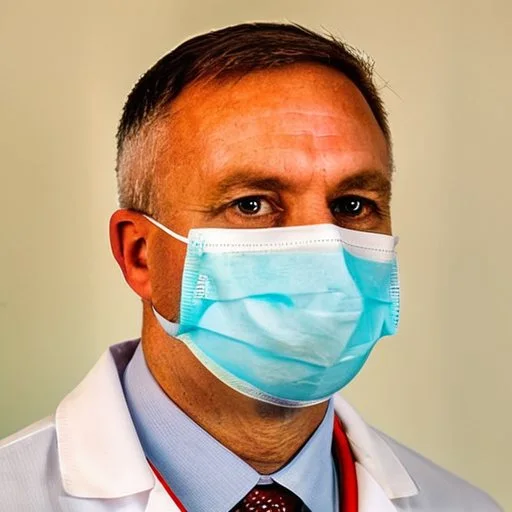
The pandemic brought about a new era of social distancing, with governments and public health officials implementing unprecedented measures to slow the spread of the virus.
Remote work became the norm, with many companies adopting flexible work arrangements to minimize the risk of transmission.
The pandemic also accelerated the adoption of digital technologies, such as telemedicine and online learning platforms.
The pandemic exposed weaknesses in global political systems, with many governments facing criticism for their response to the crisis.
China's early cover-up of the outbreak has been widely condemned, with the government facing accusations of downplaying the severity of the situation.
The pandemic also raised questions about the role of international organizations, such as the WHO, in responding to global health crises.