


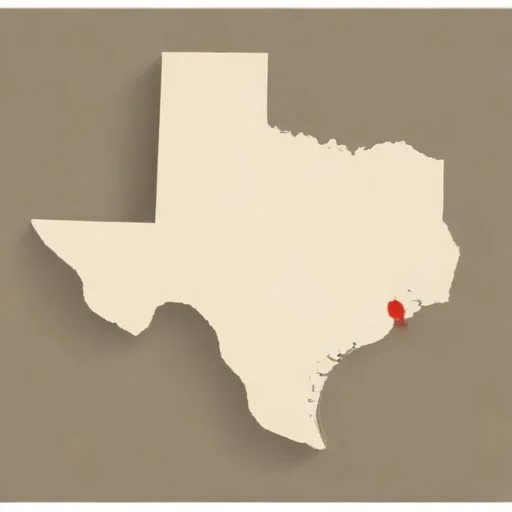
On January 16, 1917, U.S. Ambassador to the United Kingdom Walter Hines Page received a cryptic message that would alter the trajectory of World War I. The Zimmermann Telegram, a cunning proposal from Germany's Foreign Office, pledged to return New Mexico, Texas, and Arizona to Mexico if Mexico declared war on the United States, diverting America's attention and resources away from the European conflict.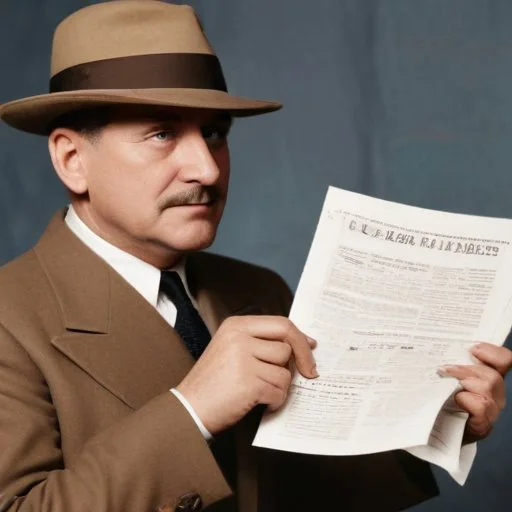
Arthur Zimmermann, Germany's Foreign Minister, was the architect of this daring plan. Zimmermann, a seasoned diplomat, hoped to create a new front in the war, exploiting the complex relationships between the United States, Mexico, and European powers.
The telegram was encrypted using a complex cipher, but British intelligence, led by William Reginald Hall, cracked the code, revealing the shocking contents to the U.S. government. This intelligence coup exposed Germany's sinister plan, eroding American neutrality and paving the way for the United States' entry into World War I.
The Zimmermann Telegram's revelation marked a significant turning point in U.S. foreign policy. The telegram's exposure reinforced American distrust of Germany, ultimately contributing to the United States' declaration of war on April 6, 1917.
The Zimmermann Telegram's impact extended beyond the realm of politics, influencing American culture and society. The telegram's exposure fueled anti-German sentiment, leading to a surge in patriotic fervor and a shift in public opinion, as Americans increasingly rallied behind the war effort.
"We must not be party to a conspiracy of silence." – Walter Hines Page, U.S. Ambassador to the United Kingdom
The Zimmermann Telegram shares parallels with other historical events, such as the Lusitania sinking and the sinking of the USS Maine, which also contributed to the United States' entry into World War I and the Spanish-American War, respectively. These events highlight the significance of diplomatic misunderstandings and intelligence failures in shaping global conflicts.
The Zimmermann Telegram's importance extends beyond its historical significance, serving as a testament to the power of diplomacy, intelligence, and strategic decision-making in shaping global events. It reminds us of the importance of vigilance and cooperation in the face of adversity, inspiring future generations to strive for a more peaceful and harmonious world.
The Zimmermann Telegram remains a fascinating and complex episode in World War I history, a powerful reminder of the intricate web of diplomacy, intelligence, and strategy that shapes global events.
Zimmermann's diplomatic career spanned over two decades, during which he developed a reputation for cunning and strategic thinking. Born in 1864 in Westphalia, Germany, Zimmermann studied law and entered the German foreign service in 1893. He quickly rose through the ranks, serving as a diplomat in various countries, including the United States, before becoming Foreign Minister in 1916.
Zimmermann's plan to propose an alliance with Mexico was not a sudden idea. He had been observing the complex relationships between the United States, Mexico, and European powers for years and saw an opportunity to exploit them. His bold move, however, ultimately backfired, leading to Germany's downfall.
The Zimmermann Telegram's exposure sparked a wave of anti-German sentiment in the United States, with many Americans calling for revenge against Germany. The incident also fueled a surge in patriotic fervor, with Americans rallying behind the war effort. The telegram's cultural impact extended to the realm of art, with many anti-German cartoons and posters emerging in the press.
The telegram also had a significant impact on American literature, with many writers, including Ernest Hemingway and F. Scott Fitzgerald, drawing inspiration from the event. The telegram's cultural legacy continues to be felt, serving as a reminder of the power of diplomacy and intelligence in shaping global events.
In the years leading up to the Zimmermann Telegram, tensions between Germany and the United States had been escalating. Germany's resumption of unrestricted submarine warfare in 1917, which led to the sinking of the passenger ship Lusitania, had already soured relations between the two nations. The United States had been providing economic and military aid to Britain and France, further straining its relationship with Germany.
In this tense atmosphere, Zimmermann's proposal to Mexico was a desperate attempt to shift the balance of power in Germany's favor. However, the plan ultimately backfired, leading to Germany's downfall and the United States' entry into World War I.
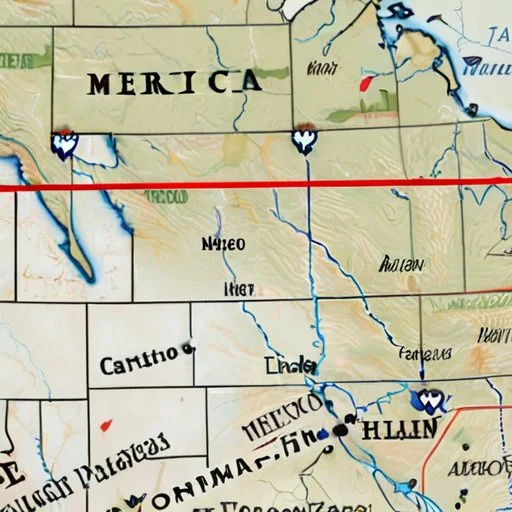
The Zimmermann Telegram must be understood within the broader context of World War I. The war had already been raging for three years, and Germany was struggling to break the stalemate on the Western Front. The country's leaders were desperate to find a way to shift the balance of power in their favor, and Zimmermann's plan was seen as a potential game-changer.
The telegram also highlights the complexities of global politics during this period. The United States, Mexico, Germany, and Britain were all vying for power and influence, and the telegram's exposure further complicated these relationships.
The Zimmermann Telegram was encoded using a complex cipher, known as the 0075 cipher. This cipher was considered unbreakable, but British intelligence, led by William Reginald Hall, was determined to crack the code. Hall and his team worked tirelessly to decode the message, using a combination of cryptanalysis and codebreaking techniques.
The decoded telegram revealed the shocking contents of Zimmermann's proposal, which was then passed on to the U.S. government. The telegram's decryption was a significant intelligence coup, and it played a crucial role in the United States' entry into World War I.