


The HMS Ark Royal, a British aircraft carrier, met its tragic fate on November 14, 1941, after succumbing to torpedo damage inflicted by the German submarine U-81 on November 13. This pivotal event marked a significant turning point in the war, as it deprived the British Royal Navy of a vital asset in the Mediterranean theatre.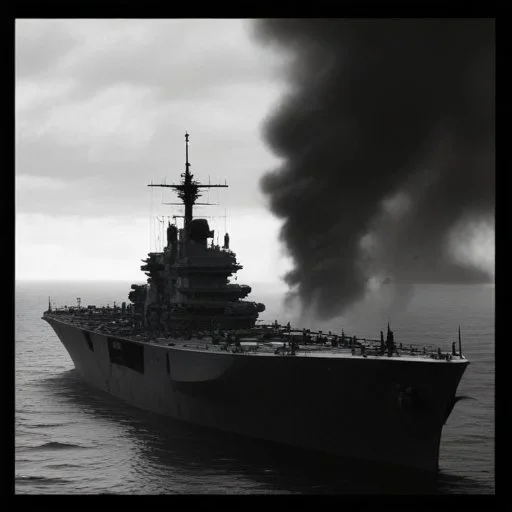
The HMS Ark Royal was commissioned in December 1938, and at the time of its sinking, it was the Royal Navy's premier aircraft carrier. With a crew of over 1,500 men and a complement of 60 aircraft, it played a crucial role in Mediterranean operations, providing air support for Allied forces and disrupting Axis supplies.
On November 13, 1941, the HMS Ark Royal was en route to Gibraltar, escorting a convoy of ships, when it was intercepted by U-81, a German Type VIIC submarine commanded by Friedrich Guggenberger. At around 15:30 hours, U-81 fired a salvo of four torpedoes, one of which struck the aircraft carrier's hull, causing extensive damage. The ship managed to limp back to Gibraltar, but it was clear that its fate was sealed.
The loss of HMS Ark Royal had far-reaching consequences for the war effort. The British Royal Navy was deprived of a vital asset, and the Mediterranean theatre became increasingly vulnerable to Axis forces. The sinking also underscored the importance of naval air power, leading to a significant shift in Allied strategy and resource allocation.
The sinking of HMS Ark Royal captured the imagination of the British public, and it became a symbol of national resilience and determination. The event was widely reported in the press, and it sparked a wave of patriotic fervor, with many civilians rallying behind the war effort.
"We fought hard, but it was a losing battle from the start. I'm proud of every single man who served on the Ark Royal." - Captain Maund, Commander of HMS Ark Royal
The sinking of HMS Ark Royal led to a significant re-evaluation of naval strategy and tactics. The British Royal Navy accelerated its development of aircraft carriers and escort vessels, while the Germans continued to refine their U-boat tactics. The event also marked a turning point in the Battle of the Mediterranean, as the Allies began to regroup and reorganize their forces in response to the loss.
The sinking of HMS Ark Royal serves as a poignant reminder of the bravery and sacrifice of those who served on the ship. The event has inspired numerous books, films, and documentaries, ensuring that the legacy of the HMS Ark Royal endures.
The HMS Ark Royal's fate was sealed due to a combination of factors, including the German U-boat's advanced torpedo technology and the British Royal Navy's inadequate anti-submarine defenses. The aircraft carrier's speed, typically an advantage, proved to be a liability in this instance, as it made it more difficult to evade the incoming torpedo. Furthermore, the ship's escorts, including the destroyer HMS Legion and the cruiser HMS Hermione, were unable to detect the U-boat in time to prevent the attack.
In the aftermath of the sinking, the British Royal Navy conducted an inquiry to determine the causes of the disaster. The investigation revealed that a series of mistakes and oversights had contributed to the tragedy, including inadequate sonar equipment, poor communication, and a lack of coordination among the escorts.
The sinking of the HMS Ark Royal served as a wake-up call for the British Royal Navy, prompting a major overhaul of its anti-submarine warfare tactics and technology. The incident led to the development of more effective sonar systems, improved escort tactics, and enhanced cooperation between surface ships and aircraft.
Friedrich Guggenberger, the commander of U-81, was a seasoned veteran of the German U-boat fleet. Born in 1915, Guggenberger joined the German Navy in 1934 and quickly rose through the ranks, earning a reputation as a skilled and daring submarine commander.
Guggenberger's Role in the Sinking of HMS Ark Royal
Guggenberger's role in the sinking of the HMS Ark Royal was instrumental. His cunning and tactical prowess allowed him to outmaneuver the British escorts and strike the aircraft carrier with a well-placed torpedo. Guggenberger's exploit earned him the Knight's Cross of the Iron Cross, one of Germany's highest military honors.
After the war, Guggenberger was taken prisoner by the British and interrogated about his role in the sinking of the HMS Ark Royal. He was eventually released and lived a quiet life until his death in 1988.
The sinking of the HMS Ark Royal had a profound impact on British culture and society. The loss of the iconic aircraft carrier was seen as a symbol of national resilience and determination, and it sparked a wave of patriotic fervor across the UK.
The event was widely reported in the press, with newspapers and magazines devoting extensive coverage to the tragedy. The sinking of the HMS Ark Royal was also commemorated in literature, art, and music, with many creative works inspired by the event.
In the years that followed, the HMS Ark Royal became an enduring symbol of British courage and sacrifice, inspiring countless books, films, and documentaries. The event continues to be remembered and honored today, serving as a poignant reminder of the sacrifices made during World War II.
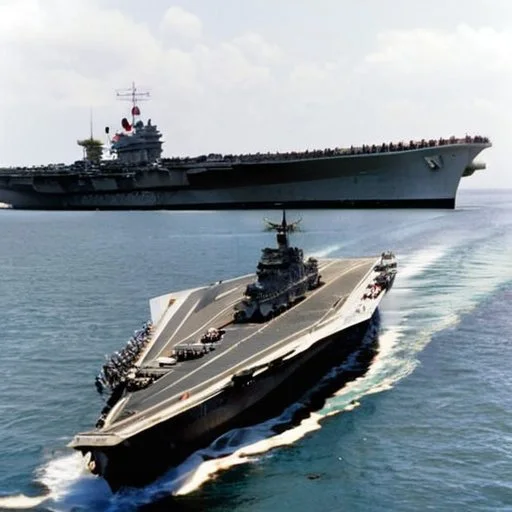
The sinking of the HMS Ark Royal marked a significant turning point in the development of naval aviation. The loss of the aircraft carrier highlighted the importance of air power in modern warfare, prompting the British Royal Navy to accelerate its development of aircraft carriers and escort vessels.
The event also spurred significant advances in torpedo technology, with both the British and Germans investing heavily in research and development. The introduction of new torpedo designs, such as the German FAT (Federapparat Torpedo) and the British Mark IX, greatly improved the accuracy and effectiveness of submarine attacks.
In the years that followed, the HMS Ark Royal incident led to a significant shift in naval strategy, with both the Allies and Axis powers placing greater emphasis on air power and anti-submarine warfare. The event played a crucial role in shaping the course of World War II, and its legacy continues to influence naval warfare today.
The sinking of the HMS Ark Royal had significant economic implications for the British war effort. The loss of the aircraft carrier and its crew resulted in a substantial increase in costs, including the cost of replacing the ship, rebuilding the aircraft, and providing for the families of the deceased sailors.
The incident also disrupted British trade and commerce, as the Mediterranean theatre became increasingly vulnerable to Axis attacks. The resulting decline in shipping and trade had a ripple effect on the entire British economy, contributing to a period of economic austerity and rationing.
In the long term, the sinking of the HMS Ark Royal led to increased investment in the British naval shipbuilding industry, as the government sought to replace lost vessels and strengthen its naval capabilities. The event played a significant role in shaping the British economy during World War II, with far-reaching consequences for the country's industrial and financial sectors.