


In the midst of World War II, American forces were caught off guard by a surprise attack on its own soil, marking a little-known but significant chapter in the war's history. On June 7, 1942, Imperial Japanese soldiers occupied the remote Aleutian Islands of Attu and Kiska, off the coast of Alaska, making it the only time during World War II that American territory was held by enemy forces.
The Japanese occupation was a calculated move to divert attention from their impending invasion of Midway Island, a strategic naval base in the Pacific. By occupying the Aleutian Islands, the Japanese aimed to prevent the US from using the islands as a launching point to attack their forces.
The Aleutian Islands Campaign resulted in significant losses on both sides, with over 1,500 casualties, including 549 American deaths. The campaign also led to the construction of airbases and infrastructure on the Aleutian Islands, which played a crucial role in the war effort.
The occupation of the Aleutian Islands had a profound impact on the indigenous Aleut population, with many forced to evacuate their homes and relocate to internment camps. The campaign also led to an increased American presence in Alaska, forever changing the region's cultural and economic landscape.
One of the most poignant stories from the campaign is that of Etta Jones, an Aleut woman who was forced to flee her home on Attu with her two children. Jones later recounted her experiences, saying, "We had to leave everything behind... Our homes, our families, our way of life."
The Aleutian Islands Campaign served as a precursor to the liberation of other Pacific islands, including the Marshall Islands and the Philippines. The campaign also highlighted the importance of securing remote outposts and demonstrated the US military's ability to launch successful amphibious assaults.
The Aleutian Islands Campaign was recognized with several awards and honors, including the Navy Unit Commendation and the American Campaign Medal.
The bravery and resilience of the US forces, as well as the indigenous Aleut population, serve as a testament to the human spirit in the face of adversity. As one soldier recalled, "We knew we had to take back our land, no matter what it took."
Little is known about General Yasuyo Yamasaki's personal life, but his military career is a testament to his strategic brilliance. Born in 1888, Yamasaki graduated from the Imperial Japanese Army Academy and later attended the Army War College.
Yamasaki's rise to prominence began during the Second Sino-Japanese War, where he served as a staff officer. His exceptional leadership skills and tactical acumen earned him rapid promotions, and by the outbreak of World War II, he was a respected figure in the Japanese military hierarchy.
As the commander of the Japanese invasion forces, Yamasaki masterminded the occupation of Attu and Kiska, demonstrating his ability to adapt to challenging terrain and limited resources. Despite his eventual defeat, Yamasaki's legacy as a skilled military tactician remains unmatched.

The Aleutian Islands Campaign is often overshadowed by more prominent battles, but the bravery and sacrifice of the soldiers who fought on these remote islands deserve recognition.
The 7th Infantry Division, led by General Simon Bolivar Buckner Jr., played a crucial role in recapturing the islands. The division comprised soldiers from diverse backgrounds, including African Americans, Native Americans, and Asian Americans, who fought alongside their white counterparts, demonstrating the unity and resolve of the US military.
Their bravery was matched by the indigenous Aleut population, who risked their lives to assist the US forces. Despite facing immense challenges, the Aleuts provided valuable intelligence and logistical support, earning the respect and admiration of their American allies.
Their stories, though often overlooked, are a testament to the courage and resilience of those who fought on the Aleutian Islands, and their contributions should be remembered and honored.
The Aleutian Islands Campaign had a profound impact on the indigenous Aleut population, leading to significant cultural and social changes.
The forced relocation of the Aleuts to internment camps in southeastern Alaska resulted in the loss of their traditional way of life. Many Aleuts were forced to abandon their homes, leaving behind their belongings and cultural artifacts.
The campaign also led to the introduction of Western culture and values, which gradually eroded the traditional Aleut lifestyle. The construction of airbases and infrastructure brought modern amenities, but also led to the degradation of the islands' natural environment and the exploitation of their natural resources.
The legacy of the Aleutian Islands Campaign continues to influence the lives of the Aleut people, who continue to struggle to preserve their cultural identity and traditions in the face of modernization and assimilation.
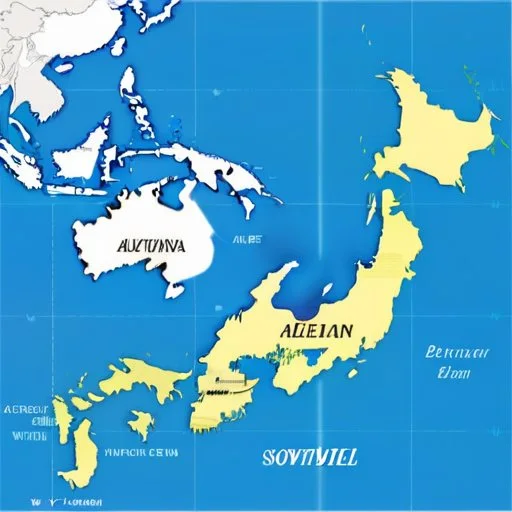
The Aleutian Islands Campaign was fought against the backdrop of a global conflict, with the outcome having significant implications for the balance of power in the Pacific.
The Japanese occupation of the Aleutian Islands was a strategic move to divert attention from their impending invasion of Midway Island, a crucial naval base in the Pacific.
The US response, led by Admiral Robert Theobald, was designed to prevent the Japanese from using the islands as a launching point to attack the American mainland.
The campaign highlighted the importance of securing remote outposts and demonstrated the US military's ability to launch successful amphibious assaults, setting the stage for future battles in the Pacific.
The Aleutian Islands Campaign had significant economic implications for both the United States and Japan.
The construction of airbases and infrastructure on the Aleutian Islands required massive investment, with the US government spending millions of dollars to establish a permanent military presence in the region.
The campaign also disrupted the local economy, with the forced relocation of the Aleut population leading to the loss of traditional industries such as fishing and hunting.
In the aftermath of the war, the US government invested heavily in rebuilding the region, leading to the growth of new industries such as tourism and commercial fishing.