


In the scorching summer of 1941, the Allies embarked on a daring campaign to wrest control of Syria and Lebanon from the grasp of Vichy France, a regime that collaborated with the Axis powers. This decisive operation, known as the Syria-Lebanon Campaign, would prove a crucial turning point in the war, securing vital oil fields and communication routes in the Middle East.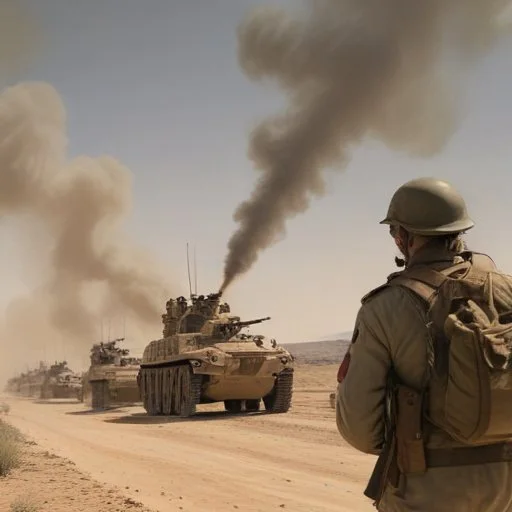
In the early years of World War II, the Middle East was a complex tapestry of alliances and rivalries. France, defeated and divided, had ceded control of its possessions in the Levant to the Vichy regime, which cooperated with the Axis powers. Meanwhile, the United Kingdom and Australia, anxious to protect their strategic interests in the region, forged an uneasy alliance with the Free French forces, led by General Charles de Gaulle.
| June 8, 1941 | The British and Australian forces, supported by the Free French, launch a surprise attack on Vichy French positions in Syria and Lebanon. |
| June 15, 1941 | British forces capture the key town of Merdjayoun, cutting off Vichy French supply lines. |
| July 3, 1941 | The Vichy French forces surrender, and General Dentz is taken prisoner. |
| July 14, 1941 | The Allies establish a new government in Syria, led by General Catroux, a Free French officer. |
The Syria-Lebanon Campaign was a resounding success for the Allies, securing control of the region's oil fields and communication routes. This victory paved the way for the Allied invasion of North Africa and ultimately contributed to the defeat of the Axis powers.
The campaign brought together diverse cultures and armies, forging unlikely alliances and friendships. The Australians, Britons, and Free French forces, alongside local Arab and Lebanese troops, fought side by side, sharing stories and traditions around campfires under the starry desert skies.
In his memoirs, Australian soldier and journalist, Kenneth Slessor, recalled the harsh conditions and camaraderie of the campaign: "We lived in a world of dust and heat, where the only shade was the shadow of our own exhaustion."
The Syria-Lebanon Campaign demonstrated the importance of securing strategic strongholds in the Middle East, setting a precedent for future military operations in the region. This victory also bolstered the reputation of the Allies, paving the way for their ultimate triumph in World War II.
In the words of General Wavell, "The Syria-Lebanon Campaign was a notable example of the advantages of rapid decision and swift action in war."
General Archibald Wavell, the Commander-in-Chief of British Forces in the Middle East, played a crucial role in the Syria-Lebanon Campaign. A seasoned military leader with extensive experience in the Middle East, Wavell's strategic thinking and decisive action enabled the Allies to achieve a swift and decisive victory.
Wavell's leadership style was characterized by his ability to build strong relationships with his allies, including the Free French forces led by General Charles de Gaulle. His keen understanding of the Middle East's complex political landscape also allowed him to navigate the region's intricate web of alliances and rivalries.

The Syria-Lebanon Campaign took place against the backdrop of a rapidly changing geopolitical landscape. The fall of France in 1940 had created a power vacuum in the Middle East, which the Axis powers sought to exploit. The region's strategic importance, with its rich oil fields and vital communication routes, made it a prized possession for both the Allies and the Axis.
In this tumultuous environment, the Allies recognized the need to secure the region and prevent it from falling into Axis hands. The Syria-Lebanon Campaign was a key component of this strategy, aimed at safeguarding the Middle East's oil fields and communication routes and paving the way for future Allied operations.
The Syria-Lebanon Campaign was not only a military victory but also a cultural phenomenon that brought together diverse nations and armies. The campaign saw the unlikely alliance of British, Australian, and Free French forces, alongside local Arab and Lebanese troops, fighting side by side against a common enemy.
This cultural melting pot gave rise to unique friendships and experiences, as soldiers from different backgrounds shared stories and traditions around campfires under the starry desert skies. The campaign's cultural significance extends beyond the military sphere, symbolizing the power of cooperation and unity in the face of adversity.

The Syria-Lebanon Campaign had far-reaching political ramifications, both in the Middle East and beyond. The campaign marked a significant shift in the balance of power in the region, with the Allies emerging as the dominant force.
The campaign's outcome also influenced the trajectory of the war, paving the way for future Allied operations in North Africa and beyond. The Free French forces, led by General Charles de Gaulle, gained a much-needed boost to their legitimacy and credibility, bolstering their claim to lead the French Resistance.
Among the most valuable artifacts to emerge from the Syria-Lebanon Campaign is the diary of General Paul Legentilhomme, Commander of the Free French Forces in the Levant. This invaluable document provides a unique insight into the mind of one of the campaign's key leaders, offering a firsthand account of the military strategy, tactical decisions, and personal experiences of the campaign.
The diary, now housed in the French Archives, is a fascinating historical resource that sheds light on the intricacies of the campaign and the individuals who fought in it.