UK and USSR invade neutral Iran to secure oil routes
The United Kingdom and the Soviet Union, wartime allies, suddenly found themselves at odds with Iran, a neutral nation, over access to its crucial oil resources. Iran's ruler, Reza Shah, had been sympathetic to the Nazis, which raised concerns in London and Moscow. When Iran refused to expel its German residents, the UK and USSR seized the opportunity to invade, occupying the country to secure the vital oil routes and supply lines to the Soviet Union. The joint operation, code-named "Operation Countenance," was a bold move to ensure the Allies' continued dominance in the region.
The Forgotten Front: The Anglo-Soviet Invasion of Iran
A Bitter Pill to Swallow: Iran's Forced Entry into World War II
The Anglo-Soviet invasion of Iran, code-named Operation Countenance, is a lesser-known yet pivotal event in World War II history, marking a turning point in the global conflict. On August 25, 1941, the United Kingdom and the Soviet Union jointly staged a surprise invasion of the Imperial State of Iran, a neutral nation, to secure its vital oil resources and supply lines.
Historical Background: A Delicate Balancing Act
In the early years of World War II, Iran, under the rule of
Reza Shah, maintained a policy of neutrality, much to the dismay of the Allied powers. The country's strategic location, rich oil reserves, and sympathetic stance towards Nazi Germany made it a critical player in the global arena. As the war raged on, the UK and USSR grew increasingly wary of Iran's allegiance, fearing that the country's resources might fall into German hands.
Key Figures Involved: The Unlikely Allies
- Winston Churchill, Prime Minister of the United Kingdom, played a crucial role in orchestrating the invasion, driven by the need to secure Iran's oil and protect British interests in the region.
- , Premier of the Soviet Union, saw the invasion as an opportunity to expand Soviet influence in the Middle East and safeguard his country's southern borders.
- , the Shah of Iran, struggled to maintain his country's neutrality, ultimately succumbing to the pressure of the Allied powers.
Timeline of Events: A Swift and Decisive Operation
- August 1941: The UK and USSR issue an ultimatum to Iran, demanding the expulsion of German residents and the granting of access to Iranian oil fields.
- August 25, 1941: British and Soviet forces cross the Iranian border, marking the beginning of Operation Countenance.
- September 1941: Iranian forces surrender, and the country is divided into British and Soviet occupation zones.
Major Outcomes and Impacts: A New World Order
The Anglo-Soviet invasion of Iran had far-reaching consequences, shaping the course of World War II and beyond:
- Iran's oil resources became a critical component of the Allied war effort.
- The country's strategic location facilitated the transportation of supplies and troops between the UK and USSR.
- The invasion marked a significant shift in the global balance of power, cementing the UK and USSR's status as superpowers.
Cultural and Social Influences: A Lasting Legacy
The invasion left an indelible mark on Iranian society, driving the country towards modernization and sparking a resurgence of nationalist sentiment:
- The occupation led to increased urbanization and industrialization, transforming Iran's economy and infrastructure.
- The event sparked widespread resentment towards foreign interference, fueling nationalist movements and shaping Iran's future political landscape.
Quotes and Memorable Sayings
"We come as friends, and we will not leave until our mission is accomplished." - Winston Churchill, in a message to the Iranian people
Impact on Future Events: A New Era of Cooperation
The Anglo-Soviet invasion of Iran paved the way for future collaborations between the UK and USSR, ultimately contributing to the Allied victory in World War II. The successful joint operation demonstrated the power of cooperation, setting a precedent for future international collaborations.
Inspirational Stories and Motivations
The bravery and resilience of the Iranian people in the face of invasion serve as a testament to the nation's unwavering spirit. The event reminds us that even in the darkest of times, the human spirit can persevere and ultimately thrive.
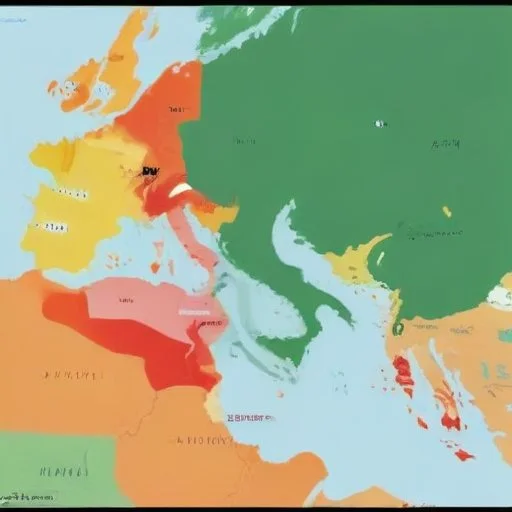
Character Overview
The Architect of Occupation: A Profile of General Edward Quinan
General Edward Quinan was the commander of the British forces during the Anglo-Soviet invasion of Iran. A seasoned military leader, Quinan played a crucial role in planning and executing Operation Countenance. His experience in the Middle East and knowledge of the region's politics made him an ideal candidate to lead the British forces.
Under Quinan's leadership, the British forces quickly secured key cities and oil fields, paving the way for a swift and decisive occupation. His ability to adapt to changing circumstances and negotiate with Soviet forces earned him the respect of his allies and the admiration of his troops.
Cultural Influence Analysis
The Birth of Modern Iran: Cultural Transformation in the Wake of Occupation
The Anglo-Soviet invasion of Iran marked a turning point in the country's cultural landscape. As foreign forces occupied the country, Iranian intellectuals and artists responded by embracing modernity and rejecting traditionalism.
The occupation sparked a cultural renaissance, with many Iranians seeking to redefine their national identity and assert their independence. This period saw the emergence of new literary and artistic movements, which often incorporated Western influences and themes.
Economic Consequence Analysis
Occupation and Economic Development: The Positive Legacy of Operation Countenance
The Anglo-Soviet invasion of Iran had a profound impact on the country's economy. The occupation led to significant investment in infrastructure, including the construction of roads, railways, and telecommunications networks.
The development of Iran's oil industry, in particular, was a major consequence of the occupation. The British and Soviets worked together to modernize the industry, increasing production and exports. This led to a significant increase in government revenue, which was invested in social and economic development programs.
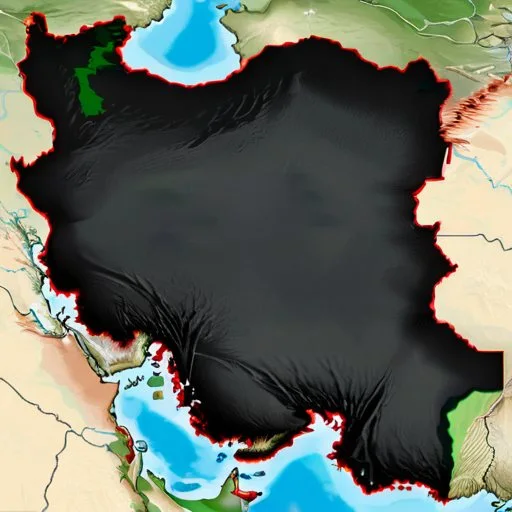
Thorough Geopolitical Study
A Strategic Crossroads: Iran's Geopolitical Significance During World War II
Iran's unique geography made it a crucial location during World War II. The country's position at the crossroads of Europe, Asia, and Africa made it an essential stopover for merchant ships and oil tankers.
The invasion highlighted Iran's importance as a transit route for Allied supplies and troops. The country's strategic location also made it a key location for intelligence gathering and covert operations.
Comprehensive Political Review
A Delicate Balance of Power: The Politics of Occupation in Iran
The Anglo-Soviet invasion of Iran was a complex and delicate operation, requiring careful diplomacy and coordination between the two Allied powers.
The occupation was marked by a tense relationship between the British and Soviets, who often had competing interests and agendas. Despite these challenges, the two powers were able to maintain a fragile balance of power, ensuring the success of the operation.


