


The Battle of Taranto, fought on November 11, 1940, is renowned for being the first-ever all-aircraft ship-to-ship naval attack in history, carried out by the Royal Navy against the Italian Navy. This bold operation, codenamed Operation Judgment, marked a significant turning point in World War II, demonstrating the power of air dominance in naval warfare.
The Battle of Taranto took place during a critical phase of World War II, with the Axis powers gaining momentum in Europe and Africa. The Italian Navy, boasting a formidable fleet, posed a substantial threat to the Allied forces. The British Royal Navy, determined to neutralize this threat, devised a plan to cripple the Italian Navy by targeting its capital ships anchored in the harbor of Taranto, Italy.
The Battle of Taranto resulted in:
The success of Operation Judgment inspired the Japanese to launch a similar surprise attack on Pearl Harbor, which led to the United States' entry into World War II. The Battle of Taranto will forever be remembered as a testament to the power of innovative military tactics and the bravery of those who executed them.
"The Taranto strike was a masterclass in surprise, deception, and precision. It will remain one of the most significant naval battles in history." - Admiral Andrew Cunningham

The Battle of Taranto will forever be etched in history as a groundbreaking feat of military ingenuity, showcasing the Royal Navy's unwavering commitment to innovation and bravery. This daring operation paved the way for future naval warfare, solidifying its place as one of the most significant battles in World War II.
Admiral Andrew Cunningham, a highly decorated British naval officer, played a crucial role in the planning and execution of the Battle of Taranto. Born on January 7, 1883, Cunningham had a distinguished career in the Royal Navy, serving in both World Wars. His bravery and strategic thinking earned him numerous accolades, including the Knight Grand Cross of the Order of the Bath.
Cunningham's leadership and vision were instrumental in the success of Operation Judgment. He was known for his ability to inspire confidence in his crew and make tough decisions under pressure. His calm and composed demeanor helped to maintain morale during the intense battle.
The Mediterranean Sea has long been a vital waterway, connecting Europe, Africa, and Asia. Its strategic importance made it a coveted prize for various empires throughout history, including the ancient Romans, Ottomans, and British.
In the context of World War II, the Mediterranean played a critical role in the Allied effort to defeat the Axis powers. The control of this sea route enabled the transportation of troops, supplies, and equipment between Europe, Africa, and the Middle East.
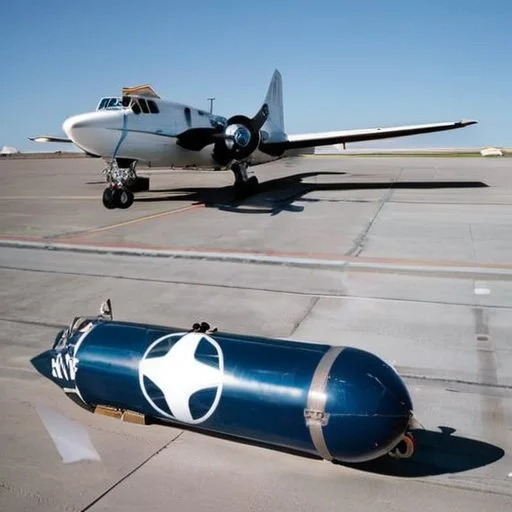
The Fairey Swordfish, a British biplane torpedo bomber, was instrumental in the success of the Battle of Taranto. This aircraft's unique design features, such as its slow speed and low altitude capabilities, made it an ideal platform for launching surprise attacks.
The Swordfish's torpedo-dropping mechanism, which allowed the aircraft to release its payload at a shallow angle, proved particularly effective against the Italian fleet. This innovative tactic caught the Italian Navy off guard, resulting in devastating losses.
In the months leading up to the Battle of Taranto, the British Royal Navy had been engaged in a cat-and-mouse game with the Italian Navy in the Mediterranean. The Italian fleet, based in Taranto, posed a significant threat to Allied shipping lanes and supply routes.
In response, the British devised a plan to neutralize the Italian Navy through a surprise air attack. This bold operation, codenamed Operation Judgment, would require meticulous planning, precision execution, and a touch of luck.
The Battle of Taranto had a profound impact on the cultural psyche of the Italian people. The devastating loss of their capital ships and the subsequent decline of the Italian Navy's dominance in the Mediterranean marked a turning point in the war.
The defeat also had a ripple effect on Italian society, contributing to a growing sense of disillusionment with the fascist regime and its military leadership.