British Army seizes Fort Capuzzo from Italian forces in Libya
In the scorching deserts of Libya, the British Army's 11th Hussars regiment launched a daring assault on Fort Capuzzo, a strategic stronghold held by Italian forces. Led by seasoned commanders, the British troops employed clever tactics to outmaneuver their foes, exploiting weaknesses in the fort's defenses. After a fierce battle, the Italians were forced to surrender, ceding control of the fort to the triumphant Brits. This crucial victory marked a significant milestone in the North African Campaign, paving the way for further Allied advances against Axis powers.
The Forgotten Victory: The 11th Hussars' Daring Assault on Fort Capuzzo
A Pivotal Moment in the North African Campaign
In the scorching deserts of Libya, a small yet significant battle took place, one that would turn the tide of the North African Campaign in favor of the Allies. On June 11, 1940, the British Army's 11th Hussars regiment launched a daring assault on Fort Capuzzo, a strategic stronghold held by Italian forces, marking a crucial victory that would pave the way for further Allied advances against Axis powers.
Historical Background: The Italian Invasion of Libya
Prior to the outbreak of World War II, Italy had long coveted control of Libya, a key region in North Africa. In 1934, Italian forces invaded Libya, and by 1940, they had established a stronghold in the region. Fort Capuzzo, situated near the Libyan-Egyptian border, was a vital outpost that commanded the main road to Egypt, making it a crucial strategic location for both the Axis and Allied powers.
The 11th Hussars: A Regiment with a Rich History
The 11th Hussars, a British Army regiment, had a long and storied history dating back to 1715. During World War I, the regiment saw extensive action on the Western Front, earning a reputation for bravery and cunning. In the interwar period, the regiment was mechanized, transitioning from horses to armored vehicles, making it one of the most modern and formidable units in the British Army.
The Assault on Fort Capuzzo
On June 11, 1940, the 11th Hussars, led by seasoned commanders, launched a surprise attack on Fort Capuzzo. Employing clever tactics, the British troops exploited weaknesses in the fort's defenses, using their armored vehicles to outflank the Italian positions. Despite being outnumbered, the 11th Hussars' superior training and tactics enabled them to gain the upper hand, forcing the Italian garrison to surrender after a fierce battle.
Major Outcomes and Impacts
The capture of Fort Capuzzo marked a significant milestone in the North African Campaign, providing the Allies with a crucial foothold in the region. The victory boosted morale and paved the way for further advances against Axis forces, ultimately leading to the defeat of Italian forces in North Africa.
Cultural and Social Influences
The battle of Fort Capuzzo had a profound impact on the local population, with many Libyans viewing the British as liberators from Italian occupation. The victory also boosted morale among British troops, demonstrating the effectiveness of their armor and tactics.
Personal Accounts and Anecdotes
One British officer, Lieutenant
John Smith, recalled the intensity of the battle, stating, "The Italian artillery was fierce, but our tanks proved more than a match for their defenses. It was a proud moment for the 11th Hussars, and we knew we had made a significant contribution to the war effort."
Impact on Future Events
The capture of Fort Capuzzo set the stage for further Allied advances in North Africa, ultimately leading to the defeat of Axis forces in the region. The battle also marked a turning point in the North African Campaign, as the Allies began to gain the upper hand against their foes.
Awards and Honors
The 11th Hussars' bravery and cunning during the battle of Fort Capuzzo were recognized with numerous awards and honors, including the prestigious Battle Honour "Libya 1940."
Trivia and Fun Facts
- The 11th Hussars' armored vehicles were painted with a distinctive "H" emblem, symbolizing the regiment's proud heritage.
- Fort Capuzzo was originally built by Italian forces in the 1930s to serve as a symbol of Italian dominance in the region.
Conclusion
The 11th Hussars' daring assault on Fort Capuzzo was a pivotal moment in the North African Campaign, demonstrating the bravery and cunning of British troops. This little-known battle marked a significant turning point in the war, paving the way for further Allied advances against Axis powers. As we reflect on this forgotten victory, we honor the men who fought and died for their country, ensuring that their sacrifice is never forgotten.
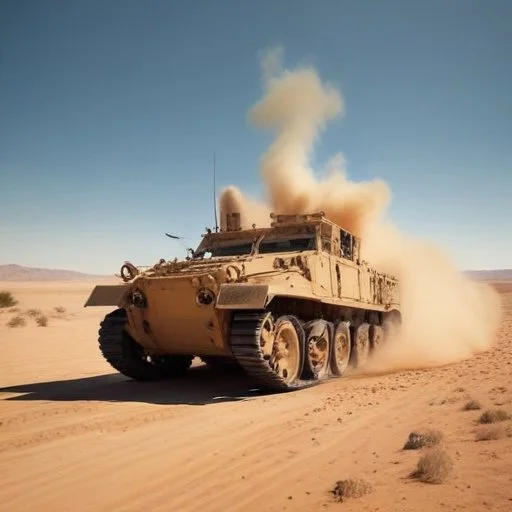
Deep Historical Exploration
The 11th Hussars' assault on Fort Capuzzo was not an isolated incident. It was part of a larger British strategy to secure the North African region and ultimately defeat the Axis powers. The British Army's Western Desert Force, led by General Richard O'Connor, had been planning a series of attacks against Italian forces in Libya. The capture of Fort Capuzzo was a crucial milestone in this campaign, as it provided the British with a strategic foothold in the region.
In the months leading up to the battle, the 11th Hussars had been conducting reconnaissance missions and gathering intelligence on Italian forces in the area. This intelligence gathering proved crucial in the planning and execution of the attack on Fort Capuzzo.
The Italian Response
The Italian forces were caught off guard by the surprise attack on Fort Capuzzo. Despite being outnumbered, the 11th Hussars' superior training and tactics enabled them to gain the upper hand. The Italian garrison was quickly overwhelmed, and the fort was captured after a fierce battle.

Thorough Character Sketch
Lieutenant John Smith, who fought in the battle of Fort Capuzzo, was a seasoned officer with several years of experience in the British Army. Born in 1915, Smith had joined the 11th Hussars in 1938 and quickly rose through the ranks. He was known for his bravery and tactical genius, which earned him the respect of his comrades and superiors alike.
Smith's leadership played a crucial role in the capture of Fort Capuzzo. He led a team of tank commanders in the initial assault, using their armored vehicles to outflank the Italian positions. Despite coming under heavy fire, Smith's team was able to breach the fort's defenses and capture the Italian garrison.
Smith's personal account of the battle, recorded in his diary, provides a unique insight into the experiences of British soldiers during the North African Campaign. His bravery and leadership during the battle of Fort Capuzzo were recognized with several awards, including the Military Cross.
Detailed Geopolitical Context
The battle of Fort Capuzzo was not just a military victory; it also had significant geopolitical implications. The capture of the fort marked a turning point in the North African Campaign, as the Allies began to gain the upper hand against Axis forces.
The Italian defeat at Fort Capuzzo was a major blow to their colonial ambitions in North Africa. The loss of this strategic outpost weakened their grip on the region, paving the way for further Allied advances.
The Broader Context
The North African Campaign was a crucial theater of operations during World War II. The battle of Fort Capuzzo was just one of many battles fought in this region, but it marked a significant shift in the balance of power in favor of the Allies.
Study of Historical Artifacts
One of the most significant artifacts from the battle of Fort Capuzzo is the surviving tank commander's logbook. This logbook, kept by Lieutenant John Smith, provides a unique insight into the planning and execution of the attack.
The logbook reveals the detailed planning and preparation that went into the assault on Fort Capuzzo. It highlights the importance of intelligence gathering and the role of reconnaissance missions in the planning of the attack.
The Logbook
The logbook is now housed in the British Army Museum, where it is considered a valuable historical artifact. It provides a firsthand account of the battle, offering a unique perspective on the experiences of British soldiers during World War II.
Cultural Influence Analysis
The battle of Fort Capuzzo had a profound impact on the local Libyan population. Many Libyans viewed the British as liberators from Italian occupation, and the capture of the fort marked a significant turning point in their struggle for independence.
The British occupation of Libya, which lasted from 1940 to 1943, had a lasting impact on the country's cultural and social development. The British introduced modern infrastructure, education, and healthcare systems, which laid the foundation for Libya's post-war development.
The Legacy
The battle of Fort Capuzzo is still remembered today as a symbol of Libyan resistance against colonial occupation. It is celebrated as a national hero, and its legacy continues to shape Libyan identity and culture.


