


In the early days of World War II, a daring operation on the high seas would forever alter the balance of power in the Pacific. The German auxiliary cruiser Atlantis, disguised as a merchant vessel, intercepted the British ship Automedon, capturing a treasure trove of top-secret documents, including cryptic codes and sensitive military communications.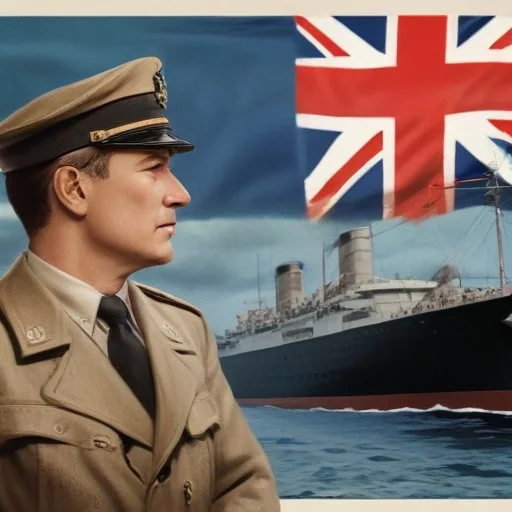
The stolen intel was hastily dispatched to Japan, forging a critical alliance between the two Axis powers. This covert operation proved instrumental in shaping the trajectory of World War II, as the stolen secrets bolstered Japan's strategic advantage in the Pacific. The Automedon's cargo, worth its weight in gold, revealed the inner workings of British naval strategy, exposing vulnerabilities that Japan would soon exploit.
Captain Bernhard Rogge, a seasoned German naval officer, masterminded the Atlantis's mission. With years of experience in naval warfare, Rogge had earned a reputation as a cunning and resourceful commander. Under his leadership, the Atlantis had already evaded enemy detection, sinking numerous Allied ships and disrupting supply lines.
The stolen intel provided Japan with a critical advantage in the Pacific, allowing them to:
The Atlantis's daring operation captured the imagination of the German people, inspiring a sense of national pride and patriotism. The mission's success was hailed as a triumph of German ingenuity and cunning, solidifying Rogge's status as a national hero.
Captain Rogge's own account of the operation, recorded in his memoirs, provides a gripping first-hand perspective on the Atlantis's daring heist. He recalled the tense atmosphere on board, as his crew worked tirelessly to decode the stolen documents, and the sense of elation that followed their successful transmission to Japan.
The Atlantis's operation had far-reaching consequences, influencing the outcome of key battles and shaping the course of World War II. The stolen intel emboldened Japan, leading to a series of aggressive military campaigns that would ultimately prove disastrous for the Axis powers.
In the annals of World War II, the Atlantis's daring heist on the high seas remains one of the most intriguing and consequential operations of the war. As we reflect on this pivotal moment in history, we are reminded of the power of cunning, strategy, and deception to shape the course of global events.
The Atlantis's operation was a propagandist's dream come true. The German media machine capitalized on the success, spreading exaggerated stories of Captain Rogge's bravery and cunning. The mission was portrayed as a testament to German superiority, bolstering morale and fueling nationalist sentiment.
The Japanese, too, leveraged the operation for propaganda purposes, highlighting the stolen intel as evidence of their own military prowess. The carefully crafted narrative was designed to intimidate their enemies and galvanize public support for the war effort.
Born in 1894, Bernhard Rogge was a product of the German naval academy, graduating at the top of his class. He served in World War I, earning a reputation as a skilled and daring officer. Between the wars, Rogge honed his skills as a merchant marine captain, awaiting the opportunity to put his tactical genius to use in the next great conflict.
Rogge's natural charisma and cunning earned him the respect of his crew, who dubbed him "the pirate of the Atlantic." His ability to stay one step ahead of his enemies, combined with his mastery of disguise and deception, made him the perfect commander for the Atlantis.
The British ship Automedon, carrying a precious cargo of top-secret documents, set sail from Liverpool bound for Singapore on October 24, 1940. The vessel, a converted passenger liner, was chosen for its speed and maneuverability, but its lightly armed escort made it vulnerable to attack.
As the Automedon navigated the treacherous waters of the South Atlantic, Captain Rogge and the Atlantis lay in wait, disguising themselves as the SS Polyphemus. On November 11, 1940, the Atlantis struck, capturing the Automedon and its valuable cargo in a daring operation that would change the course of the war.
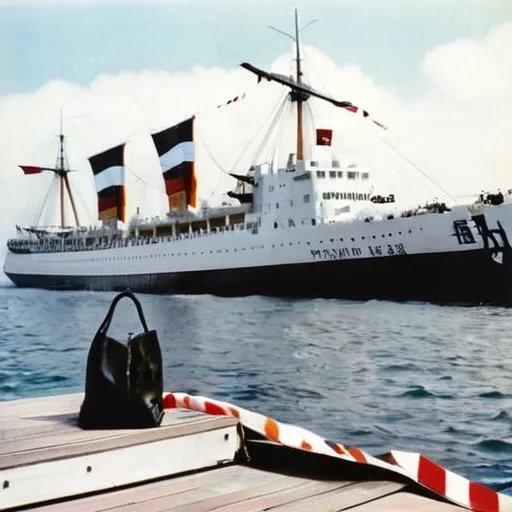
The Atlantis's mission shares striking parallels with the CSS Alabama, a Confederate raider that wreaked havoc on Union shipping during the American Civil War. Both vessels, disguised as merchant ships, preyed on unsuspecting enemy vessels, using cunning and deception to outmaneuver their adversaries.
Like Captain Rogge, the CSS Alabama's commander, Raphael Semmes, was a master of naval warfare, utilizing his ship's speed and maneuverability to evade capture. Both captains relied on clever disguises and misinformation to gain the upper hand, leaving their enemies bewildered and frustrated.
The stolen documents, hastily dispatched to Japan, remained a mystery for decades. The contents of the Automedon's cargo, worth its weight in gold, included cryptic codes, naval intelligence reports, and sensitive military communications. A closer examination of the documents reveals a complex web of ciphers and cryptograms, designed to protect Britain's most closely guarded secrets. The Japanese, however, were able to crack the codes, revealing the inner workings of British naval strategy and paving the way for their surprise attacks.