In a brazen display of solidarity, Germany and Italy declared war on the United States on December 11, 1941, mere days after the US countered Japan's surprise attack on Pearl Harbor. This pivotal moment marked the official entry of America into the global conflict, pitting the world's greatest powers against each other in the fray of World War II.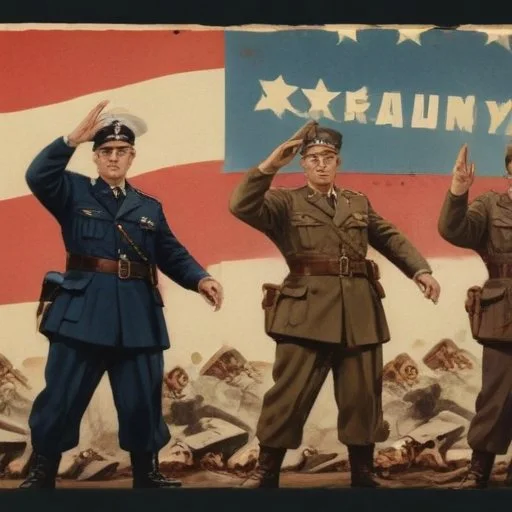
The Tripartite Pact, signed on September 27, 1940, forged an alliance between Germany, Italy, and Japan, pledging mutual support in the event of an attack by any nation not already involved in the war. Meanwhile, the US had been supplying material support to the UK and the Soviet Union, while maintaining a policy of relative isolationism. The tide turned, however, when Japanese forces launched a surprise attack on Pearl Harbor, drawing the US into the conflict.
Four days after the US declared war on Japan, Germany and Italy took the unprecedented step of declaring war on the United States. This chain reaction of alliances and aggressive expansion cemented the global character of World War II, as the US officially entered the fray against the Axis powers. The speed and solidarity of this response underscored the tight-knit bond between the Axis nations.
The declarations of war marked a watershed moment, drawing the US into the global conflict and shifting the balance of power. The US mobilization of its vast industrial and military resources would ultimately prove decisive in the Allied victory.
The war effort transformed American society, as women, minorities, and the working class took on new roles in the war industries. Patriotism and national unity surged, with popular culture reflecting the country's newfound belligerence. From propaganda posters to Hollywood films, the war effort permeated every aspect of American life.
As the US entered the war, a sense of duty and patriotism inspired Americans to rally behind the war effort. From volunteer enlistment to civilian contributions, the nation came together to support the troops and secure victory. As President Franklin D. Roosevelt declared, "We must be the great arsenal of democracy."
The US entry into World War II marked a turning point in global politics, as America emerged from the war as a preeminent superpower. This new role would shape US foreign policy for decades to come, as the nation took on a leadership role in international relations.
In the end, the declarations of war between Germany, Italy, and the United States would have far-reaching consequences, reshaping the global power structure and cementing America's place as a world leader. As the war raged on, the world would be forever changed, and the legacy of this fateful moment would be etched in history.
The Tripartite Pact, signed in September 1940, was not only a symbol of solidarity between Germany, Italy, and Japan but also a carefully calculated move to deter the United States from entering the war. Adolf Hitler, in particular, was convinced that the pact would prevent the US from declaring war on any of the Axis powers. However, this strategy ultimately backfired, as the surprise attack on Pearl Harbor led to a swift and decisive US response.
The pact itself was the culmination of months of diplomatic negotiations between the three nations. Hitler, Mussolini, and Hirohito had been discussing the possibility of a mutual defense alliance since the summer of 1940. The treaty was finally signed on September 27, 1940, in Berlin, with each nation pledging to come to the aid of the others in the event of an attack by any nation not already involved in the war.
In the months that followed, the Axis powers continued to coordinate their military strategies, with the ultimate goal of dividing the world into spheres of influence., CP