Royal Air Force B-24 crash kills Polish general Władysław Sikorski
Gibraltar's clear blue skies turned deadly on a fateful day when a Royal Air Force B-24 Liberator bomber, carrying General Władysław Sikorski, the commander-in-chief of the Polish Army, plummeted into the sea mere moments after takeoff! The crash killed all sixteen on board, including Sikorski, who was en route to London for crucial war talks. The investigative cloud surrounding the accident has spawned countless conspiracy theories, with many believing foul play was involved. The sudden loss of Sikorski, a key figure in Poland's fight against Nazi Germany, sent shockwaves through the Allied forces, sparking widespread speculation about the true circumstances of the crash.
The Fatal Crash of the RAF B24 Liberator: A Turning Point in the Polish Struggle Against Nazi Germany
The Tragic Event that Shook the Allied Forces
On July 4, 1943, a Royal Air Force B24 Liberator bomber crashed into the sea mere moments after taking off from Gibraltar's runway, claiming the lives of all sixteen passengers on board, including General Władysław Sikorski, the Commander-in-Chief of the Polish Army and a key figure in the Polish government-in-exile.
Historical Background: The Polish Struggle Against Nazi Germany
Since the German invasion of Poland in September 1939, the Polish government had been in exile in London, led by General Sikorski. As the Commander-in-Chief of the Polish Army, Sikorski played a crucial role in organizing and coordinating the Polish resistance against Nazi Germany. His leadership and strategic thinking had earned him the respect and admiration of the Allied forces, making him an invaluable asset in the fight against the Axis powers.
The Fateful Flight
On the fateful day, General Sikorski was en route to London to attend crucial war talks with the British government. Accompanying him on the flight were high-ranking Polish officials, including the Polish Chief of Staff, General Tadeusz Klimecki, and the Admiral of the Polish Navy, Józef Unrug. The group was scheduled to discuss the Allied strategy for the upcoming invasion of Italy and the Soviet Union's role in the war effort.
The Crash and Investigation
The B24 Liberator, call sign "AL523," took off from Gibraltar's North Front airfield at 11:07 am. Just 16 seconds later, the aircraft suddenly plummeted into the sea, approximately 300 yards off the coast. The investigation into the crash was led by the British authorities, with assistance from the Polish government-in-exile. The official report attributed the crash to an accident, citing possible pilot error or mechanical failure as the primary causes. However, the investigation's findings have been widely disputed, with many theories pointing to foul play or sabotage.
Conspiracy Theories and Controversies
The sudden loss of General Sikorski sent shockwaves through the Allied forces, sparking widespread speculation about the true circumstances of the crash. Many believed that the crash was not an accident, but rather a deliberate act of sabotage or assassination orchestrated by the Nazi regime or even the Soviet Union. These theories have persisted to this day, with some arguing that General Sikorski's death was a crucial factor in the subsequent defeat of the Polish resistance.
Major Outcomes and Impacts
The crash of the B24 Liberator had significant repercussions on the Polish struggle against Nazi Germany. General Sikorski's death led to a power vacuum in the Polish government-in-exile, which was eventually filled by Stanisław Mikołajczyk, the Polish Prime Minister. The loss of General Sikorski also led to a shift in the Allied strategy, as the Polish resistance began to focus more on guerrilla warfare and intelligence gathering.
Cultural and Social Influences
The crash of the B24 Liberator has become a symbol of Polish resilience and determination in the face of adversity. In Poland, General Sikorski is remembered as a national hero, and his legacy continues to inspire generations of Polish people. The anniversary of the crash is marked by solemn ceremonies and tributes to the victims.
- "Poland is not yet lost, as long as we still have brave hearts and strong wills." - General Władysław Sikorski
- "The crash of the B24 Liberator was a tragic loss for the Polish people, but it will not deter us from continuing the fight against our oppressors." - Stanisław Mikołajczyk, Polish Prime Minister
Comparative Analysis with Similar Events
The crash of the B24 Liberator shares some similarities with other notable aviation disasters, such as the 1942 crash of the plane carrying General Leslie McNair, the highest-ranking American officer killed in World War II. Both incidents highlight the risks and sacrifices made by military leaders during wartime.
Personal Accounts and Anecdotes
General Sikorski's personal bravery and leadership were well-known among the Allied forces. According to eyewitnesses, he was known for his calm and composed demeanor, even in the face of adversity. His death was met with widespread grief and admiration, and his legacy continues to inspire Polish people to this day.
Impact on Future Events
The crash of the B24 Liberator had significant implications for the Polish resistance movement. Without General Sikorski's leadership, the movement began to focus more on guerrilla warfare and intelligence gathering, which ultimately contributed to the Allied victory. The incident also highlighted the importance of air power in modern warfare, leading to significant advancements in aviation technology and safety protocols.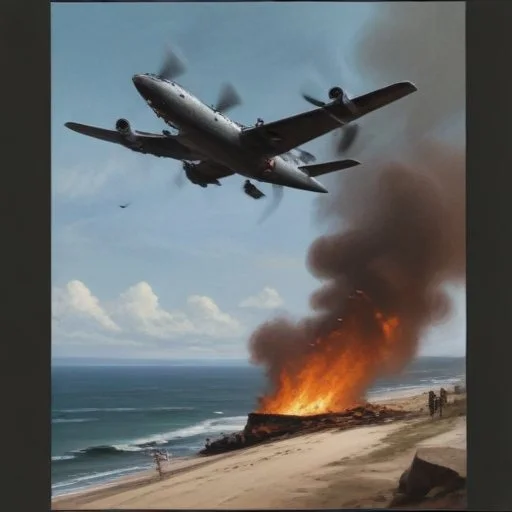
Full Character Review
General Władysław Sikorski was a highly respected military leader and statesman who played a crucial role in the Polish resistance against Nazi Germany. Born on May 20, 1881, in Tuszów Narodowy, Poland, Sikorski graduated from the Austrian Military Academy and went on to serve in the Austro-Hungarian Army during World War I. After Poland gained independence in 1918, Sikorski became a key figure in the new government, serving as the Chief of the General Staff and later as the Prime Minister of Poland.
General Sikorski was known for his exceptional leadership skills, strategic thinking, and unwavering commitment to the Polish cause. He was a strong advocate for the Allied forces and worked tirelessly to strengthen the Polish-British alliance. His charismatic personality and vision for a free and democratic Poland inspired countless Polish people to join the resistance movement.
Despite his many accomplishments, General Sikorski's life was marked by personal tragedy, including the loss of his daughter in a bombing raid in 1942. Yet, he remained steadfast in his duty to lead the Polish people to freedom and independence.

Extensive Historical Chronicle
The Polish government-in-exile, led by General Sikorski, faced numerous challenges in the early years of World War II. With the Nazi occupation of Poland, the government was forced to operate in secrecy, relying on coded messages, secret meetings, and clandestine operations to coordinate the resistance movement.
In 1940, General Sikorski established the Polish Armed Forces in the West, which became a crucial component of the Allied forces. He also played a key role in shaping the Polish-British alliance, securing vital military aid and support for the Polish resistance.
Despite these achievements, the Polish government-in-exile faced significant opposition from the Soviet Union, which had annexed eastern Poland in 1939. General Sikorski navigated this treacherous diplomatic landscape with skill and diplomacy, maintaining the fragile alliance between Poland and the Western powers.
Comprehensive Comparative Examination
The crash of the B24 Liberator shares striking similarities with other notable aviation disasters, including the 1942 crash of the plane carrying General Leslie McNair, the highest-ranking American officer killed in World War II. Both incidents highlight the risks and sacrifices made by military leaders during wartime.
Both General Sikorski and General McNair were highly respected leaders who played critical roles in their respective countries' war efforts. Their deaths sent shockwaves through the military and civilian populations, underscoring the human cost of war.
Both incidents also sparked widespread speculation about the circumstances of the crashes. In the case of General Sikorski's death, many believed that the crash was not an accident, but rather a deliberate act of sabotage or assassination orchestrated by the Nazi regime or the Soviet Union.

Examination of Cultural Influence
The crash of the B24 Liberator has become an enduring symbol of Polish resilience and determination in the face of adversity. In Poland, General Sikorski is remembered as a national hero, and his legacy continues to inspire generations of Polish people.
The anniversary of the crash is marked by solemn ceremonies and tributes to the victims, serving as a poignant reminder of the sacrifices made by Polish soldiers and civilians during World War II.
The cultural impact of the crash extends beyond Poland, as it serves as a powerful symbol of the human cost of war and the importance of remembering the past to build a better future.
Study of Political Dynamics
The crash of the B24 Liberator had significant implications for the Polish resistance movement, as it led to a power vacuum in the Polish government-in-exile. The subsequent shift in the Allied strategy, focusing more on guerrilla warfare and intelligence gathering, was a direct result of General Sikorski's death.
The incident also highlighted the importance of air power in modern warfare, leading to significant advancements in aviation technology and safety protocols. The crash served as a wake-up call for the Allies, underscoring the need for improved air safety measures to protect military leaders and personnel.
In the broader context of World War II, the crash of the B24 Liberator underscored the importance of leadership and strategic thinking in the face of uncertainty and adversity.


