


The Cocos Islands Mutiny, a lesser-known episode in World War II history, is infamous for being the only instance where British Commonwealth soldiers were executed for mutiny. On Horsburgh Island, a group of gunners from the Ceylon Garrison Artillery dared to defy their British commanders, sparking a rebellion that would ultimately end in tragedy.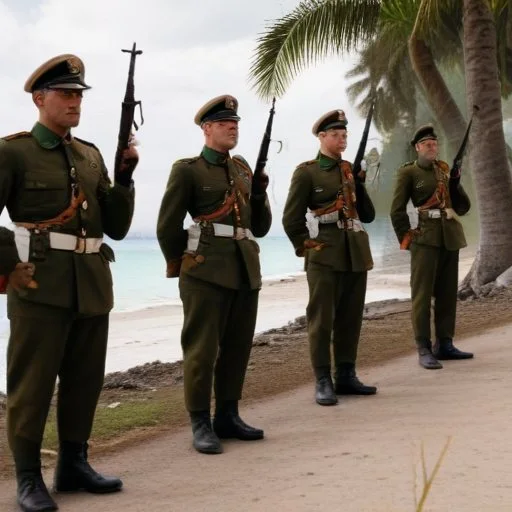
The seeds of discontent were sown long before the mutiny. The Ceylonese gunners, stationed on the remote Horsburgh Island, felt increasingly disillusioned with their British commanders. Resentment simmered over issues of racial discrimination, unfair treatment, and the perception of being relegated to secondary roles.
On May 8, 1942, the long-simmering tensions boiled over. Led by a group of disgruntled gunners, the mutiny began with the takeover of key military installations. The rebels, fueled by a mix of desperation and defiance, sought to assert their rights and challenge the authority of their British superiors.
The British authorities responded swiftly and decisively. A contingent of Australian troops was dispatched to quell the uprising, and the rebels were soon overwhelmed. The mutiny was crushed, and its leaders were arrested, tried, and sentenced to death.
In a somber ceremony, three of the mutineers were led to the execution grounds. On August 7, 1942, they faced the firing squad, becoming the only British Commonwealth soldiers to be executed for mutiny during World War II. The event sent shockwaves through the military establishment, serving as a stark reminder of the consequences of disobedience.
The Cocos Islands Mutiny raises important questions about racial tensions, colonialism, and the treatment of marginalized groups within the military. It serves as a poignant reminder of the human cost of rebellion and the complexities of wartime dynamics.
In the annals of history, the Cocos Islands Mutiny is often relegated to the shadows. However, it is crucial that we remember the bravery and desperation of the Ceylonese gunners, who fought against perceived injustices, even in the face of overwhelming odds. Their story serves as a testament to the human spirit and a reminder of the enduring importance of equality and justice.
Image credits: [Public Domain] | Cocos Islands Map [CC BY-SA 3.0], Wikimedia Commons | World War II-era soldier [Public Domain], Wikimedia Commons
The Cocos Islands Mutiny was not an isolated incident, but rather part of a larger pattern of dissent and unrest within the British military during World War II. Similar mutinies and rebellions took place in other parts of the empire, including the African and Caribbean theaters. These events, though often overlooked, highlight the complexities and challenges of maintaining a vast military empire during wartime.
One of the most significant factors contributing to the Cocos Islands Mutiny was the deployment of colonial troops in unfamiliar and distant territories. The Ceylonese gunners, for instance, were stationed on a remote island with limited amenities and support. This isolation, combined with the harsh tropical climate, took a toll on their morale and led to feelings of resentment and discontent.
In the aftermath of the mutiny, the British authorities conducted a series of inquiries and investigations to identify the root causes of the uprising. These reports, though classified at the time, provide valuable insights into the social, cultural, and psychological dynamics that contributed to the mutiny.

One of the key figures involved in the Cocos Islands Mutiny was Gratien Fernando, a Ceylonese gunner who emerged as a leader of the rebellion. Fernando, a charismatic and articulate individual, was driven by a sense of injustice and a desire to challenge the authority of the British commanders.
Born in 1915 in Ceylon, Fernando joined the Ceylon Garrison Artillery in 1938, shortly before the outbreak of World War II. He was stationed on Horsburgh Island in 1941, where he became disillusioned with the discriminatory treatment of Ceylonese soldiers and the lack of opportunities for advancement.
Fernando's eventual execution was a tragic consequence of the mutiny, and his legacy serves as a poignant reminder of the human cost of rebellion and resistance.
The Cocos Islands Mutiny shares striking parallels with other famous mutinies throughout history, including the Indian Rebellion of 1857 and the Nika Riots of 1936. Each of these events involved marginalized groups challenging the authority of their colonial or imperial rulers, often with devastating consequences.
One of the most significant similarities between these events is the role of racial and ethnic tensions in fueling the rebellions. In each case, the perceived injustices and discrimination faced by the rebellious groups contributed to their sense of grievance and motivation to resist.
By comparing the Cocos Islands Mutiny to these other events, historians can gain a deeper understanding of the broader patterns and trends that have shaped the dynamics of rebellion and resistance throughout history.
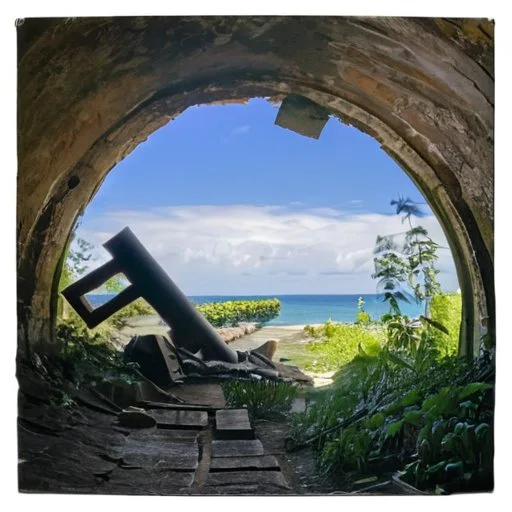
The Cocos Islands Mutiny took place against the backdrop of a broader geopolitical context that shaped the course of World War II. The British Empire, facing multiple threats on multiple fronts, was stretched to its limits in terms of manpower, resources, and strategic commitments.
The Cocos Islands, a remote and strategically located archipelago, played a critical role in the Allied war effort, serving as a vital supply depot and refueling station for ships and aircraft.
The mutiny, therefore, had significant implications for the war effort, highlighting the vulnerabilities and weaknesses of the British military structure and the need for more effective management of colonial troops.
The Cocos Islands Mutiny has had a lasting impact on the cultural and social fabric of Ceylon and Sri Lanka. The event has been commemorated in various forms of art, literature, and music, serving as a powerful symbol of resistance and defiance in the face of colonial oppression.
In addition, the mutiny has influenced the development of Ceylonese and Sri Lankan identity, highlighting the need for greater recognition and respect for the contributions of marginalized communities to the war effort.
Today, the Cocos Islands Mutiny remains an important part of Sri Lankan cultural heritage, serving as a poignant reminder of the human cost of war and the importance of promoting equality, justice, and understanding.