


On August 18, 1940, the skies above Britain witnessed the most intense and devastating aerial engagement in history, aptly dubbed "The Hardest Day." This fateful day saw the Luftwaffe launch a massive assault on RAF airfields, resulting in staggering losses on both sides and cementing its place as a crucial turning point in the Battle of Britain.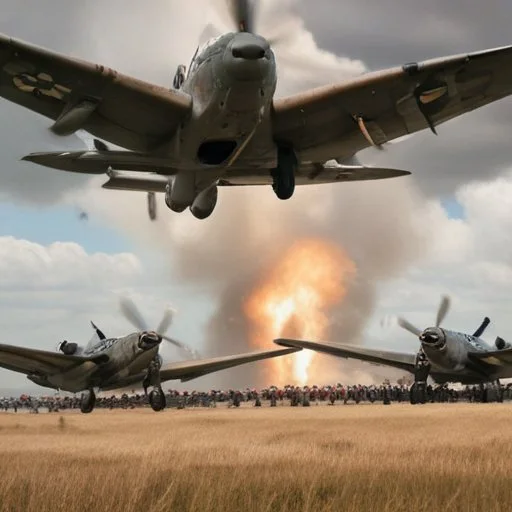
In the summer of 1940, the Battle of Britain was raging on, with the German air force, the Luftwaffe, attempting to gain air superiority over the Royal Air Force (RAF). The Luftwaffe, led by Hermann Göring, had been tasked with destroying the RAF and paving the way for a German invasion of Britain. The RAF, under the leadership of Air Chief Marshal Hugh Dowding, was determined to prevent this from happening.
On August 18, 1940, the Luftwaffe launched a massive assault on RAF airfields, involving over 1,700 aircraft. The German forces were comprised of bombers, escorted by fighter planes, with the intention of destroying the RAF's ground infrastructure and weakening their air power. The RAF, anticipating the attack, had gathered its forces to counter the assault.
The Hardest Day saw heavy losses on both sides, with the Luftwaffe losing 69 aircraft and the RAF losing 34. However, the RAF's losses were mitigated by their ability to recover and repair damaged aircraft, as well as replace lost pilots. The Luftwaffe, on the other hand, suffered significant losses, which would have long-term consequences for their campaign.
The outcome of the battle had significant implications for the course of the war. The RAF's ability to withstand the Luftwaffe's assault demonstrated their resilience and determination, ultimately leading to the cancellation of Operation Sea Lion, the planned German invasion of Britain.
The Hardest Day has become an iconic moment in British history, symbolizing the nation's determination and bravery in the face of adversity. The battle has been immortalized in literature, art, and film, with numerous books, documentaries, and feature films dedicated to its memory.
"The fight is won or lost in the air. If we win, everything else will follow. If we lose, the consequences will be disastrous." - Air Chief Marshal Hugh Dowding
The Hardest Day marked a turning point in the Battle of Britain, as the Luftwaffe's losses weakened their ability to launch further large-scale attacks. The RAF's success in defending British skies ultimately led to the cancellation of Operation Sea Lion and shifted the balance of power in favor of the Allies.
The bravery and sacrifice of the pilots involved in the battle have inspired generations, with many considering them heroes and pioneers in the field of aerial warfare.
The Hardest Day remains an important chapter in the history of World War II, a testament to the bravery and sacrifice of the pilots who fought in the skies above Britain.
Air Chief Marshal Hugh Dowding: The Architect of Victory
As the leader of the Royal Air Force (RAF) during the Battle of Britain, Air Chief Marshal Hugh Dowding played a crucial role in the Allied victory. Dowding's unwavering dedication to the defense of Britain and his strategic mind were instrumental in countering the Luftwaffe's relentless attacks.
Dowding's leadership style was characterized by his strong emphasis on teamwork, discipline, and adaptability. He was known for his ability to remain calm under pressure, often making critical decisions that would determine the outcome of the battle.
The Cultural Significance of the Hardest Day
The Hardest Day has had a profound impact on British culture, symbolizing the nation's resilience and determination in the face of adversity. The battle has inspired numerous works of literature, art, and film, cementing its place in the collective consciousness of the British people.
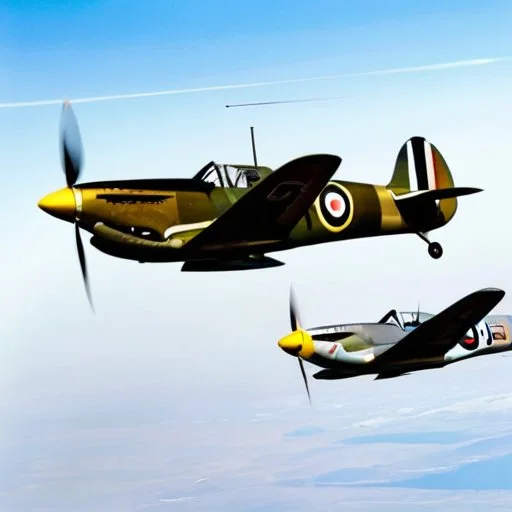
The iconic image of the Supermarine Spitfire, a stalwart of the RAF during the Battle of Britain, has become an enduring symbol of British defiance and courage. The plane's sleek design and impressive performance have made it an iconic symbol of British ingenuity and determination.
The Luftwaffe's Tactical Errors
Despite their superior numbers and firepower, the Luftwaffe made several critical tactical errors that ultimately contributed to their defeat on the Hardest Day. Their decision to focus on attacking RAF airfields, rather than targeting British industrial and economic centers, proved to be a costly mistake.
The Luftwaffe's overreliance on the Ju 87 Stuka dive bomber, a vulnerable and slow-moving aircraft, left them exposed to the RAF's swift and agile fighters. Furthermore, the Luftwaffe's failure to develop an effective tactical response to the RAF's radar system meant that they were consistently caught off guard by British intercepts.
Radar: The Game-Changing Technology
The development and implementation of radar technology played a pivotal role in the Allied victory on the Hardest Day. This revolutionary technology enabled the RAF to detect and respond to incoming German attacks with unprecedented speed and accuracy.
Radar allowed the British to coordinate their defenses more effectively, directing their limited resources to where they were needed most. The technology also enabled the RAF to develop a more effective early warning system, providing pilots with critical minutes to scramble and intercept enemy aircraft.
The Political Ramifications of the Hardest Day
The outcome of the Hardest Day had significant political implications, as the Luftwaffe's defeat undermined the Nazi regime's confidence in their ability to wage war against Britain.
The cancellation of Operation Sea Lion, the planned German invasion of Britain, marked a major turning point in the war, as Hitler was forced to reassess his military strategy. The Hardest Day also bolstered British Prime Minister Winston Churchill's reputation as a strong leader, solidifying his position as a stalwart defender of British interests.