


In the early days of World War II, the Imperial Japanese Navy seemed invincible, sweeping across Southeast Asia with ease. But on a remote Pacific atoll, a small band of American defenders would shatter that illusion, inflicting the empire's first surface vessel loss in the Battle of Wake Island.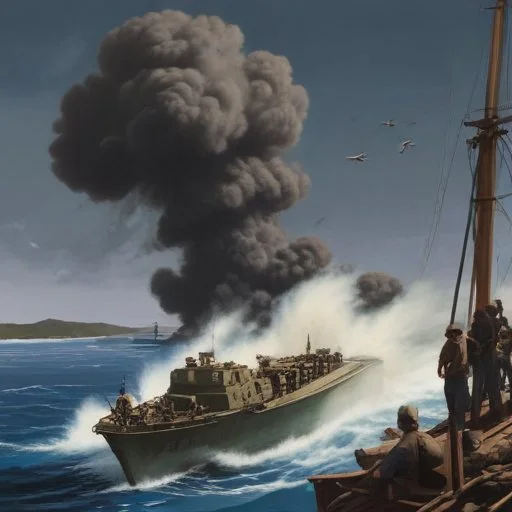
This pivotal battle, fought from December 8 to 23, 1941, marked a rare bright spot for the Allies amidst the Japanese onslaught. The outcome would have far-reaching consequences, boosting morale and reinvigorating the American war effort in the Pacific.
Wake Island, a tiny atoll located about 2,300 miles west of Honolulu, was a strategic outpost in the Pacific. The island's proximity to Japan made it an ideal location for refueling and reconnaissance, and its capture would have provided the Japanese with a vital foothold in the region.
The Japanese invasion force, consisting of two patrol boats, the Hayate and Kisaragi, approached Wake Island on December 11, 1941. U.S. Marine Corps fighter pilots, flying Grumman F4F Wildcats, scrambled to intercept the enemy vessels. In a series of bold sorties, the American pilots sank both patrol boats, scoring the Imperial Japanese Navy's first surface vessel losses.
As the Japanese ships closed in, Wake Island's antiaircraft gunners opened fire, downing several enemy aircraft. Meanwhile, U.S. fighter pilots engaged the Japanese in intense dogfights, shooting down multiple bombers and fighters.
The Battle of Wake Island was a rare Allied victory in the early days of World War II, and its impact was felt far beyond the tiny atoll. The loss of two surface vessels stunned the Imperial Japanese Navy, revealing vulnerabilities in their seemingly invincible fleet.
The bravery and sacrifice of the Wake Island defenders inspired a nation, and their legacy continues to inspire generations of military personnel and civilians alike.
"Send us more Japs!" - Major James P.S. Devereux, USMC, in response to a request for additional ammunition during the battle.
The Battle of Wake Island serves as a testament to the unyielding spirit of American defenders and the importance of strategic military outposts in the Pacific.
The early days of December 1941 were marked by a series of intense battles in the Pacific, as the Imperial Japanese Navy sought to expand its reach across the region. As part of this effort, the Japanese 4th Fleet, led by Vice Admiral Shigeyoshi Inoue, set its sights on Wake Island, a small atoll located about 2,300 miles west of Honolulu.
The Japanese plan, codenamed "Operation Z," aimed to capture Wake Island and use it as a strategic outpost for further operations in the Pacific. The Japanese forces, consisting of two patrol boats, the Hayate and Kisaragi, two destroyers, and several smaller vessels, approached the island on December 11, 1941.
Meanwhile, the American defenders, led by Major James P.S. Devereux and Commander Winfield S. Cunningham, were determined to hold their ground. Despite being vastly outnumbered, the U.S. Marine Corps and Navy personnel on the island put up a fierce resistance, engaging the Japanese forces in a series of intense battles.
Commander Winfield S. Cunningham, USN was a seasoned naval officer with a long history of service in the Pacific. Born in 1900, Cunningham graduated from the United States Naval Academy in 1922 and went on to serve on several ships, including the USS Arizona, before taking command of the Wake Island Naval Air Station in 1941.
As commander of the naval air station, Cunningham played a crucial role in coordinating the island's defense. He worked closely with Major Devereux to develop a strategy for repelling the Japanese invasion, and his expertise in naval tactics proved invaluable in the battle that followed.
The Battle of Wake Island was a rare example of an Allied victory in the early days of World War II, and it highlights the significant differences in military strategy and tactics between the Japanese and American forces.
While the Japanese military was known for its lightning-fast advances and surprise attacks, the American defenders on Wake Island were able to hold their ground through a combination of cunning, bravery, and clever tactics. By using their limited resources to maximum effect, the Americans were able to inflict significant losses on the Japanese, sinking two patrol boats and damaging several other vessels.
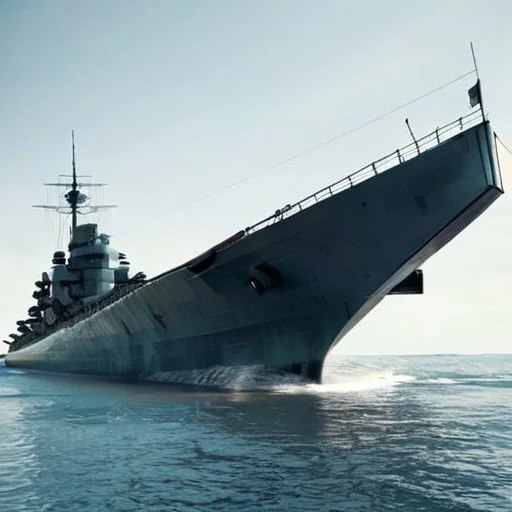
The Battle of Wake Island took place against the backdrop of a rapidly changing geopolitical landscape in the Pacific. The Japanese attack on Pearl Harbor, which occurred just hours before the invasion of Wake Island, marked a turning point in the war, drawing the United States into the conflict.
In the months that followed, the Japanese military continued its rapid expansion across the Pacific, capturing key territories such as Guam, the Philippines, and Singapore. The fall of Wake Island, which occurred on December 23, 1941, was just one of many setbacks for the Allies in this period.
The Wake Island Defense Battalion Diary, a firsthand account of the battle written by Major James P.S. Devereux, provides a unique insight into the events that unfolded on the island. The diary, which is housed at the Marine Corps University Archives, includes detailed descriptions of the Japanese attack, as well as the heroic actions of the American defenders.
The diary is accompanied by several artifacts, including Devereux's binoculars and a fragment of the Japanese patrol boat Hayate, which were recovered from the island after the battle. These artifacts are now on display at the National Museum of the Marine Corps, serving as a poignant reminder of the bravery and sacrifice of the Wake Island defenders.