


On August 23, 1944, King Michael of Romania made a daring move that would alter the course of World War II. In a bold display of courage, the 23-year-old monarch dismissed the pro-Nazi government of Marshal Antonescu, effectively switching Romania's allegiance from the Axis to the Allies.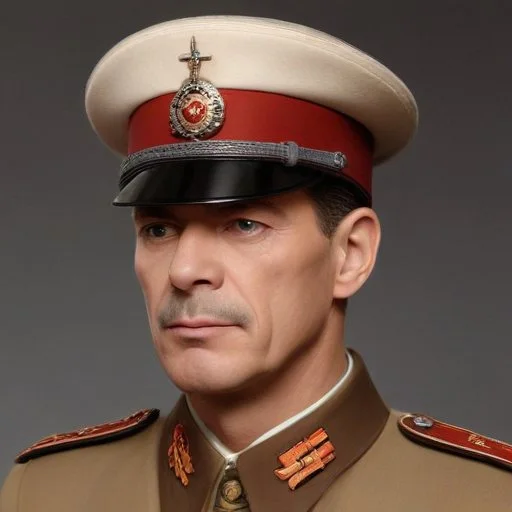
Romania's fate had been tied to the Axis powers since 1940, when Marshal Antonescu's fascist government took power. Antonescu's regime was marked by brutal suppression of political opposition and widespread human rights abuses. Meanwhile, King Michael, who had ascended to the throne in 1940, grew increasingly disillusioned with Antonescu's government and its Nazi sympathies.
The opportunity for King Michael to take a stand came on August 20, 1944, when Soviet forces launched a massive offensive against Romania. With the Red Army advancing rapidly, King Michael saw a chance to break free from Antonescu's grip and realign Romania with the Allies. On August 23, he summoned Antonescu to the palace and demanded his resignation. When Antonescu refused, King Michael ordered his arrest, effectively taking control of the government.
The consequences of King Michael's actions were immediate and far-reaching. Romania's military began fighting alongside the Soviets, marking a significant turning point in the war. The country's industries, including its oil fields, were opened up to the Allies, providing a crucial boost to their war effort.
King Michael's decision was not without personal risk. He knew that Antonescu's regime had the support of the Nazi government, and that his actions could result in German retaliation. In his memoirs, King Michael recalled the tense moments leading up to Antonescu's arrest, when he feared for his own life and the fate of his country.
King Michael's courage in the face of overwhelming odds has inspired generations of Romanians. His stand against Nazi Germany and his commitment to democracy have become a defining part of Romania's national identity.
"I realized that I had to take a stand, no matter the cost. I could not stand idly by and allow my country to continue supporting the Nazi regime." - King Michael of Romania
King Michael's story serves as a powerful reminder of the importance of standing up against tyranny and oppression. In an era marked by authoritarianism and extremism, his bravery and conviction inspire us to take a stand for what is right, even in the face of overwhelming odds.
The historiography of King Michael's defiance of Nazi Germany is characterized by a shift in focus from the monarch's personal bravery to the broader implications of his actions on the war's outcome. Early accounts, such as those by Winston Churchill, emphasized King Michael's courage in the face of overwhelming odds. Later historians, however, have explored the role of Romania's military and economic resources in the Allied victory.
Revisionist historians have also questioned the extent of King Michael's agency in the coup, suggesting that Soviet pressure and internal Romanian politics played a larger role in the regime change. Despite these debates, King Michael's decision remains a pivotal moment in the history of World War II.

Marshal Ion Antonescu, the fascist leader of Romania, was a complex figure whose anti-Semitic and authoritarian policies earned him the support of Nazi Germany. Born in 1882, Antonescu rose through the ranks of the Romanian military, eventually becoming Chief of the General Staff in 1937.
Antonescu's regime was marked by brutal repression of political opposition, and his government was responsible for the deaths of thousands of Jews and Roma. Despite his fascist ideology, Antonescu was also a pragmatic leader who sought to maintain Romania's independence in the face of German dominance.
The coup led by King Michael shares parallels with other notable defections from the Axis powers during World War II. Like Italy's King Victor Emmanuel III, who dismissed Benito Mussolini in 1943, King Michael's bold move was driven by a desire to preserve his country's sovereignty and protect its citizens from further war and occupation.
In contrast to Finland's Winter War, where the government resisted Soviet encroachment, King Michael's decision was motivated by a desire to switch sides and fight alongside the Allies. These comparisons highlight the complexities of wartime alliances and the difficult choices faced by national leaders during times of conflict.

Romania's geographic location made it a crucial battleground in the war, with its oil fields and agricultural resources making it an attractive prize for both the Axis and Allied powers. The country's proximity to the Soviet Union and its borders with Hungary and Bulgaria also made it a key front in the Eastern European theater.
The Soviet Union's declaration of war on Germany in response to King Michael's coup further highlights the significance of Romania's strategic position. The subsequent surrender of German forces in Bulgaria and Hungary underscores the far-reaching consequences of King Michael's decision.
King Michael's coup had significant economic implications for both Romania and the Allied powers. The country's oil fields, which had been supplying Germany with crucial fuel supplies, were now opened up to the Allies, providing a much-needed boost to their war effort.
Romania's industrial resources, including its aircraft and munitions factories, were also redirected to support the Allied war effort. The economic benefits of King Michael's decision were therefore twofold, providing a crucial injection of resources for the Allies while also sparing Romania the devastating economic costs of continued war and occupation.