


The Atomic Bomb, Fat Man, dropped by the United States B29 Bockscar on August 9, 1945, is etched in history as one of the most catastrophic events of World War II. The bomb, detonating at 11:02 am, unleashed unprecedented destruction upon Nagasaki, claiming the lives of 35,000 people, including Japanese war workers, Korean forced laborers, and innocent civilians.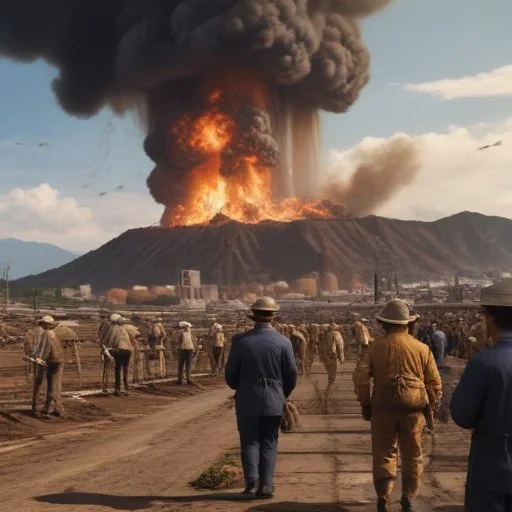
In the midst of World War II, Nagasaki, a port city on the Japanese island of Kyushu, had become a hub for war efforts. The city was home to a vast network of munitions factories, shipyards, and military facilities, making it a vital target for the Allied forces.
In the summer of 1945, the United States, determined to bring a swift end to the war, began preparing for a decisive strike. The B29 Bockscar, piloted by Major Charles W. Sweeney, was chosen to deliver the atomic bomb, codenamed "Fat Man."
August 9, 1945, dawned like any other day in Nagasaki. The city was bustling with activity, with workers and civilians going about their daily routines. But little did they know, their lives were about to take a devastating turn.
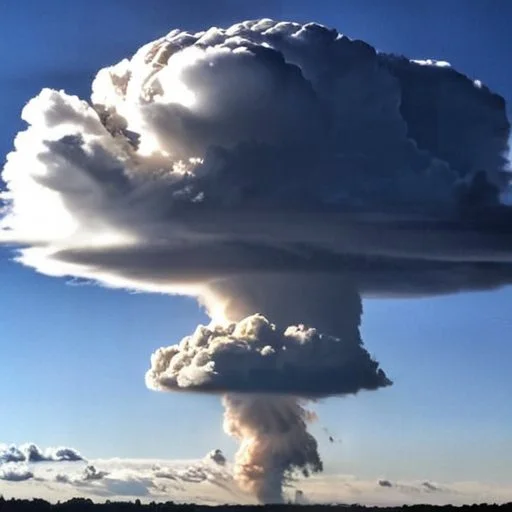
At 11:02 am, the Fat Man atomic bomb exploded about 1,640 feet above the city, releasing an estimated 21 kilotons of energy. The blast wave and subsequent firestorm razed the city, incinerating everything in its path. The once-thriving city was reduced to smoldering ruins, with survivors left to face the unimaginable horror of nuclear war.
The immediate impact of the bombing was catastrophic. 35,000 people lost their lives instantly, with many more succumbing to injuries and radiation sickness in the following weeks and months. The victims included 23,200 Japanese war workers, 2,000 Korean forced laborers, and 150 Japanese civilians, all caught in the midst of the devastation.
In the aftermath of the bombing, Nagasaki was left to pick up the pieces. The city's infrastructure was in shambles, and the survivors were forced to confront the ghastly reality of nuclear war.
The dropping of the Fat Man atomic bomb on Nagasaki marked a turning point in World War II. The devastating consequences of the bombing, coupled with the Soviet Union's declaration of war on Japan just days later, ultimately led to Japan's surrender on August 15, 1945.
Today, Nagasaki stands as a testament to the horrors of war and the importance of promoting peace and nuclear disarmament. The city has become a beacon of hope, with memorials and museums dedicated to the victims of the bombing and the pursuit of a nuclear-free world.
Remembering the Devastation of Nagasaki, a City Reborn from the Ashes
The decision to drop the atomic bomb on Nagasaki was a culmination of months of debate and discussion among the Allied leaders. President Harry Truman, who had assumed office after President Roosevelt's death, was under pressure to end the war quickly and minimize further loss of American lives.
The United States had been firebombing Japanese cities, causing widespread destruction and civilian casualties. However, the Japanese government showed no signs of surrender, and the Allies were preparing for a lengthy and bloody invasion of the Japanese mainland.
In this context, the atomic bomb was seen as a necessary evil, a means to shock the Japanese government into surrender and avoid the devastating consequences of a prolonged war.

The atomic bombing of Nagasaki had a profound impact on Japanese culture, leading to a re-evaluation of the country's values and identity. The trauma and destruction caused by the bombing led to a growing pacifist movement, with many Japanese citizens advocating for nuclear disarmament and international cooperation.
In the aftermath of the bombing, Nagasaki became a symbol of the horrors of war, and the city's reconstruction was seen as a testament to the resilience and determination of the Japanese people.
The development and deployment of the atomic bomb marked a significant technological milestone, demonstrating the destructive power of nuclear energy. The "Fat Man" bomb, dropped on Nagasaki, was a plutonium-based implosion device, similar in design to the "Trinity" bomb tested in New Mexico earlier that year.
The creation of the atomic bomb involved an unprecedented collaboration of scientists and engineers from the United States, the United Kingdom, and Canada, working together on the Manhattan Project.
The technologies developed during this project have had far-reaching consequences, shaping the course of nuclear research, energy production, and international relations in the decades that followed.
Historians have long debated the motivations behind the United States' decision to drop the atomic bomb on Nagasaki. Some argue that the bombing was primarily motivated by a desire to demonstrate American military power and deter the Soviet Union from further expansion in Asia.
Others contend that the bombing was necessary to end the war quickly and prevent further loss of life, both Japanese and American.
Recent scholarship has highlighted the complexities of the decision-making process, revealing a multiplicity of factors and motivations that led to the fateful event.
The atomic bombing of Nagasaki had significant and long-lasting environmental consequences. The blast and subsequent firestorm released large quantities of radioactive materials into the atmosphere, contaminating the soil, water, and air.
The radiation poisoning caused by the bombing led to the deaths of many survivors, known as "hibakusha," in the months and years that followed.
Today, the city of Nagasaki continues to grapple with the environmental legacy of the bombing, working to decontaminate affected areas and promote sustainable development.