


The northern Australian city of Darwin, a tranquil tropical haven, was shattered on February 19, 1942, when nearly 250 Japanese warplanes descended upon it, unleashing a deadly torrent of bombs and gunfire. This surprise attack, which lasted for over an hour, would etch itself in the annals of Australian history as the first time the country was attacked on its own soil, claiming 243 lives and leaving hundreds more injured.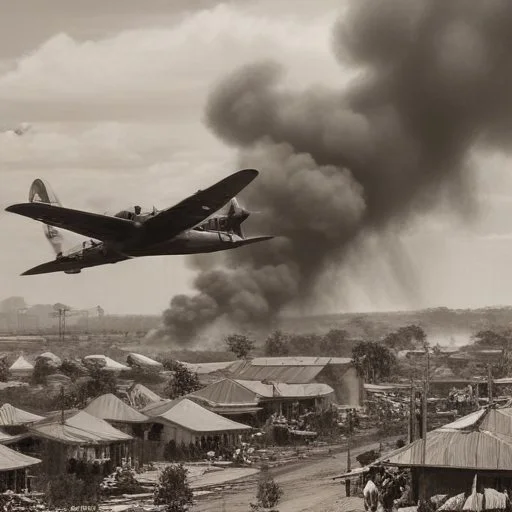
In the early years of World War II, Japan had been making rapid gains in Southeast Asia, and the Allies were struggling to contain its expansion. The city of Darwin, with its strategic naval base and airfield, was a vital link in the Allied supply chain. The Japanese, aware of Darwin's importance, planned a surprise attack to cripple the Allies' ability to launch a counteroffensive.
On the morning of February 19, 1942, a Japanese fleet of warships and aircraft carriers sailed undetected into the Arafura Sea, off the coast of Darwin. At around 9:58 am, the first wave of Japanese aircraft, consisting of high-altitude bombers, dive bombers, and fighters, took to the skies. The residents of Darwin, caught off guard, were initially confused by the sound of explosions and the sight of planes overhead.
For the next hour, the Japanese planes pounded the city, targeting the naval base, airfield, and civilian infrastructure. The bombing was relentless, with waves of aircraft dropping their deadly payload, causing widespread destruction and chaos. The city's defenses were woefully unprepared, and the Australian military was initially unable to respond effectively.
When the dust settled, the scale of the destruction was staggering. The city of Darwin lay in ruins, with entire neighborhoods reduced to rubble. The naval base and airfield were severely damaged, and several ships were sunk or badly damaged in the harbor.
The human toll was equally devastating, with 243 people killed and over 300 injured. Many more were left homeless, forced to flee their homes and seek shelter in the nearby countryside. The attack also had a profound impact on the Australian psyche, as the country realized it was no longer immune to the war raging in Europe and Asia.
One of the most enduring stories to emerge from the Darwin raid is that of Father John McGrath, a Catholic priest who risked his life to rescue survivors from the wreckage. Despite being injured himself, Father McGrath continued to tend to the wounded and provide comfort to the bereaved.
Another remarkable tale is that of the USS William B. Preston, an American destroyer that was anchored in Darwin's harbor during the raid. Despite being heavily damaged, the ship's crew managed to escape and make their way back to the United States, where they played a vital role in the Allied war effort.
The Darwin raid was a powerful reminder of the importance of resilience and determination in the face of adversity. The bravery and selflessness displayed by the people of Darwin inspired a nation, and their stories continue to motivate and inspire Australians to this day.
In the words of Australian Prime Minister John Curtin, "The attack on Darwin is a grave reminder that we are at war, and that our country is in danger. But it is also a testament to our strength and our resolve, and I have no doubt that we will emerge from this trial even stronger and more united than before."
The Japanese surprise attack on Darwin was not an isolated incident. In the months leading up to the raid, Australia had been experiencing a series of minor air raids and naval bombardments along its northern coast. These attacks, although unsuccessful, had put the Australian military on high alert, but they did not prepare them for the scale of the Darwin raid.
In the days following the attack, the Australian government realized that the country's northern defenses were woefully inadequate. A rapid expansion of military infrastructure, including airbases, radar stations, and coastal defenses, was undertaken to prevent another such attack.
The Darwin raid was also a catalyst for a significant shift in Australia's relationship with its allies. The country's reliance on British naval power was exposed, and the Australian government began to look to the United States for military support and protection.
Father John McGrath, a Catholic priest, was one of the unsung heroes of the Darwin raid. Despite being injured himself, he risked his life to rescue survivors from the wreckage, providing comfort and solace to the bereaved.
Father McGrath's bravery was not limited to his actions on the day of the raid. In the aftermath, he worked tirelessly to provide spiritual support to the people of Darwin, helping to rebuild the community and restore hope.
Father McGrath's selflessness and courage have become an inspiration to generations of Australians, and his story is a testament to the human spirit in the face of adversity.
The Japanese attack on Darwin was not the only time a major city was bombed during World War II. In comparison, the bombing of Pearl Harbor by the Japanese in December 1941 and the Blitz on London by the Germans in 1940-1941 were both more devastating in terms of lives lost and destruction.
However, the Darwin raid was significant in that it was the first time a major city in Australia was attacked, and it marked a turning point in the country's participation in World War II.
In terms of civilian casualties, the Darwin raid was relatively minor compared to other major bombings of the war, but its impact on the Australian psyche was profound.
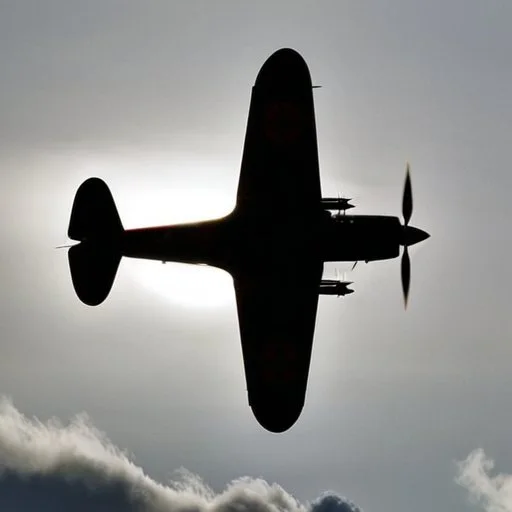
The Japanese attack on Darwin was part of a broader strategy to secure the Philippines and Indonesia, which were rich in natural resources, and to prevent the Allies from using Australia as a base to launch a counterattack.
The strategic importance of Darwin lay in its proximity to Southeast Asia and its role as a vital link in the Allied supply chain. The Japanese knew that if they could capture or destroy Darwin, they could disrupt Allied operations and gain a significant advantage in the war.
The raid on Darwin was also a demonstration of Japan's military power and its ability to project force across the Asia-Pacific region.