


The Norway Debate, a pivotal event in the British House of Commons, marked a significant shift in the country's leadership during World War II. On May 7, 1940, Members of Parliament (MPs) convened to discuss Prime Minister Neville Chamberlain's handling of the war effort, ultimately leading to his resignation and the ascension of Winston Churchill to the top spot three days later.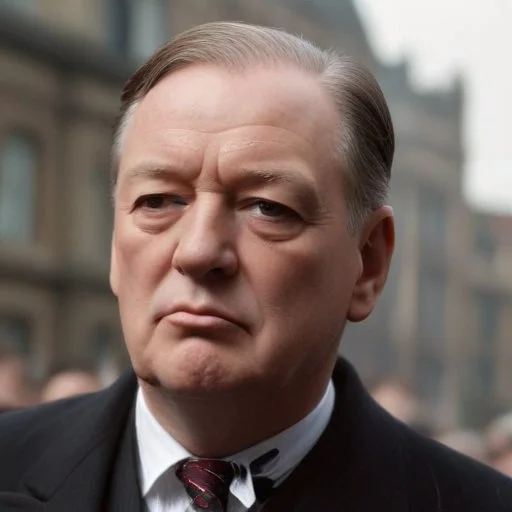
The Norway Debate took place amidst a backdrop of turmoil in Europe. German forces had invaded Norway in April 1940, and the Allied forces were struggling to respond effectively. The British government, led by Chamberlain, was under intense pressure to justify its actions in the face of military setbacks and growing public discontent.
The Norway Debate marked a significant turning point in British history, as it led to the replacement of Chamberlain with Churchill. Churchill's unwavering resolve and leadership would go on to play a crucial role in galvanizing the British nation for the long and brutal fight ahead.
The debate reflected the growing discontent among the British public with Chamberlain's government and its handling of the war effort. The event also marked a shift in the country's mood, as the British people began to rally behind a new leader who embodied their determination to resist Nazi Germany.
"I have taken the view that the Prime Minister has not taken the necessary steps to defend this country... I consider that the Prime Minister should give way to someone who can animate and inspire the country." - Lloyd George
Churchill, who was serving as First Lord of the Admiralty at the time, was initially hesitant to take on the role of Prime Minister. However, he was eventually persuaded by King George VI and other party leaders to accept the position.
The Norway Debate paved the way for Churchill's leadership during World War II, which would ultimately contribute to the Allied victory. Churchill's resolve and determination would inspire the British people during the dark days of the war, and his leadership would play a crucial role in shaping the post-war world order.
The Norway Debate was a pivotal moment in British politics, marking a significant shift in the country's leadership during World War II. The debate exposed the deep-seated divisions within the Conservative Party, with Chamberlain's supporters pitted against Churchill's faction. This internal struggle reflected the broader crisis of confidence in the government's ability to manage the war effort.
The debate also highlighted the role of the opposition parties, particularly the Labour Party, in holding the government accountable for its actions. The Labour Party's leader, Clement Attlee, played a key role in criticizing Chamberlain's government, and the party's support for Churchill's leadership helped to pave the way for his eventual ascension to power.

Winston Churchill's leadership style was a significant departure from Neville Chamberlain's approach. While Chamberlain was known for his cautious and conciliatory approach, Churchill was a vocal advocate for British resistance against Nazi Germany. His unwavering resolve and oratory skills inspired confidence among the British people, who were desperate for a leader who could galvanize the nation for the long and brutal fight ahead.
Churchill's experience as First Lord of the Admiralty also gave him a unique perspective on the war effort. He was a strong advocate for the development of radar technology and recognized the importance of air power in modern warfare.
The Norway Debate reflected the growing discontent among the British public with Chamberlain's government and its handling of the war effort. The debate marked a shift in the country's mood, as the British people began to rally behind a new leader who embodied their determination to resist Nazi Germany.
The debate also had a profound impact on British culture, inspiring a new wave of patriotic fervor and anti-German sentiment. The event was widely covered in the press, with newspapers like The Times and The Daily Telegraph providing extensive coverage of the debate and its aftermath.

The Norway Debate was preceded by a series of military setbacks, including the German invasion of Denmark and Norway in April 1940. The British government's response to these crises was widely criticized, with many MPs questioning Chamberlain's leadership and the government's ability to protect British interests.
The debate itself was a tense and dramatic affair, with Chamberlain facing intense criticism from MPs across the political spectrum. The debate lasted for several hours, with MPs delivering impassioned speeches and sharp exchanges between the government and opposition parties.
The Norway Debate took place against the backdrop of a rapidly changing geopolitical landscape. The German invasion of Norway and Denmark had highlighted the vulnerability of Western Europe to Nazi aggression, and the British government was under intense pressure to respond effectively.
The debate marked a significant turning point in British foreign policy, as the country began to shift its focus towards the European theater of war. The event also had significant implications for British relations with other European countries, including France and the Soviet Union.