


On August 25, 1944, the City of Paris was finally freed from the grip of German occupation, marking a pivotal moment in World War II. This triumph was the culmination of years of resistance, courage, and sacrifice, as the Allies, led by General Charles de Gaulle, broke through the enemy's defenses, liberating the capital of France.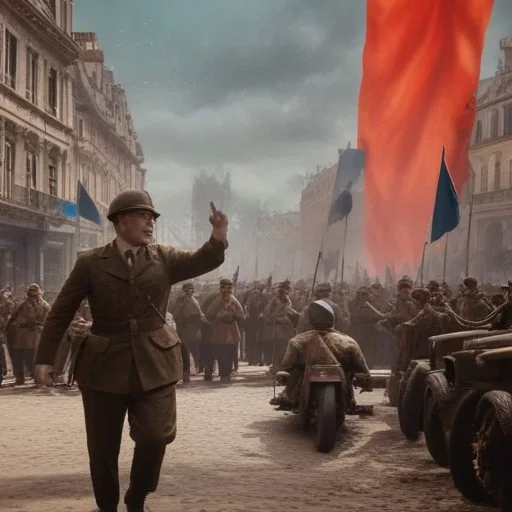
In June 1940, Germany's military forces, led by Adolf Hitler, invaded France, and Paris fell under their control. The city, known for its art, culture, and beauty, was subjected to four years of oppression, as the Nazi regime imposed its brutal rule. The French people lived in fear, their every move watched and controlled by the occupiers.
In the face of this oppression, a brave and determined resistance movement emerged. Led by figures like Jean Moulin and Charles de Gaulle, the French Resistance fighters waged a guerrilla war against the Nazi occupiers, using tactics such as sabotage, intelligence gathering, and ambushes to weaken their hold on the city.
In the summer of 1944, the Allies, led by General Dwight D. Eisenhower, launched Operation Overlord, a massive invasion of Normandy. As the Allies advanced, the German grip on Paris began to loosen, and the Resistance fighters, sensing victory, intensified their efforts. On August 19, 1944, the French Resistance launched a citywide uprising, attacking German forces and disrupting their communication lines.
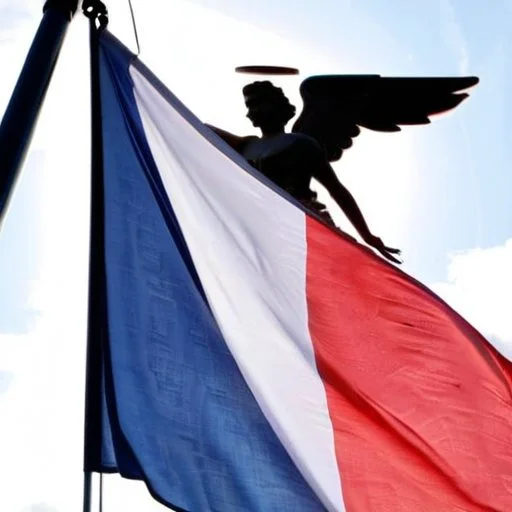
On August 25, 1944, General Philippe Leclerc's 2nd Armored Division, accompanied by American and British troops, entered the city, marking the beginning of the end of German occupation. The scenes that followed were ones of jubilation, as Parisians poured into the streets, cheering and weeping as the Nazi flags were torn down and the French tricolor waved triumphantly.
The liberation of Paris marked a crucial turning point in World War II, as the Allies gained a vital stronghold in Western Europe. The city's liberation also paved the way for the eventual defeat of Germany, and the Allied victory in Europe.
The liberation of Paris had a profound impact on the city's cultural and social fabric. The event marked a new era of freedom and creativity, as artists, writers, and intellectuals flocked to the city, contributing to its rebirth.
"Paris is liberated! Paris is French!" - General Charles de Gaulle
"The City of Light is shining bright once more." - Anonymous Parisian
"I remember the sound of gunfire and explosions, and then suddenly, silence. The Germans were gone, and the French tricolor was waving above the city. It was a moment of pure joy." - Colette, Parisian resident
"We danced in the streets, tears of happiness streaming down our faces. We were free at last." - Pierre, French Resistance fighter
The liberation of Paris served as a catalyst for the Allied victory in Europe, paving the way for the eventual defeat of Nazi Germany.
In recognition of their bravery, the French Resistance fighters were awarded the highest honors, including the Legion of Honor and the Croix de Guerre.
The liberation of Paris serves as a testament to the power of courage, resistance, and determination. It remains an inspiring chapter in the history of World War II, a reminder of the sacrifices made for freedom and liberty.
The Liberation of Paris had a profound impact on the city's cultural landscape. The event marked a new era of freedom and creativity, as artists, writers, and intellectuals flocked to the city, contributing to its rebirth. The city's famous cabarets and theaters reopened, and the jazz scene flourished once again. The Liberation also paved the way for the French New Wave film movement, which would go on to revolutionize the film industry.
One notable example of the Liberation's cultural impact is the work of French singer-songwriter Édith Piaf. Piaf, who had been active in the French Resistance, wrote and performed songs that celebrated the Liberation and the spirit of French resistance. Her iconic song "La Vie En Rose" became an anthem of the Liberation, and its lyrics continue to evoke the emotions and sentiment of that momentous occasion.
De Gaulle's leadership played a crucial role in the Liberation of Paris. His appeal to the French people to rise up against the German occupation and his decision to march into Paris with the Free French Forces on August 26, 1944, are seen as pivotal moments in the Liberation. De Gaulle's iconic phrase "Paris is liberated! Paris is French!" has become a symbol of French resistance and liberation.
The Liberation of Paris marked a significant shift in the balance of power in Western Europe. The event weakened the German grip on the continent and paved the way for the Allied victory in Europe. The Liberation also marked a turning point in the rivalry between the Soviet Union and the Western Allies, as the Soviet Union began to exert greater influence over Eastern Europe.
The Liberation also had significant implications for French politics and identity. The event marked a moment of national rebirth and renewed pride in French culture and heritage. De Gaulle's leadership during the Liberation helped to establish him as a national hero and paved the way for his eventual presidency of France.
The Liberation of Paris was not without its challenges. The city was in ruins, and the infrastructure was severely damaged. The city's residents were struggling to come to terms with the trauma of four years of occupation, and the Legacy of collaboration and resistance was still being negotiated.
Despite these challenges, the Liberation marked a new era of hope and optimism for the French people. The event inspired a sense of national unity and purpose, and the city began to rebuild and recover. The Liberation also marked a turning point in the war, as the Allies pushed further into Germany and the eventual defeat of Nazi Germany.
The Liberation of Paris had a profound impact on French society. The event marked a new era of social change and reform, as the French people began to rebuild and recover from the trauma of the war. The Liberation paved the way for the establishment of the French Welfare State and the development of new social policies.
The Liberation also marked a significant shift in the role of women in French society. Women had played a crucial role in the French Resistance, and their contributions were recognized and celebrated during the Liberation. The event paved the way for greater gender equality and the advancement of women's rights in France.