


In the midst of World War II, a remarkable act of bravery and resistance took place in the heart of Warsaw, Poland. On August 5, 1944, a group of Polish insurgents, driven by courage and defiance, stormed the Gsiwka labor camp, liberating 348 Jewish prisoners from the clutches of their German captors.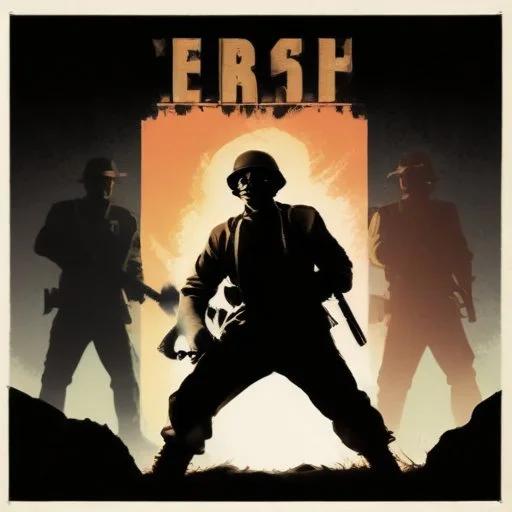
The Gsiwka labor camp was one of the many forced labor camps established by the Nazi regime in occupied Poland. The camp was located in the Praga district of Warsaw, and it was notorious for its harsh conditions and brutal treatment of prisoners. The camp was primarily used to detain Jewish prisoners, who were forced to work in inhumane conditions, with little food and no regard for their dignity.
The Polish insurgency, known as the Armia Krajowa (AK), was a resistance movement that fought against the Nazi occupation of Poland. The AK was made up of brave men and women who were determined to liberate their country from the grip of the Nazi regime. The AK was known for its daring raids and sabotage operations, and the liberation of the Gsiwka labor camp was one of its most notable achievements.
The rescue mission was carefully planned and executed by a group of AK fighters, led by Captain Wacław Micuta. The insurgents had received intelligence about the camp's layout and the number of guards, and they had developed a strategy to overpower them. On the night of August 5, 1944, the insurgents stormed the camp, using grenades and machine guns to overcome the German guards. The prisoners, who had been alerted to the rescue mission, were quickly gathered and led out of the camp, where they were provided with food and medical aid.
The liberation of the Gsiwka labor camp was a significant blow to the Nazi regime, and it marked a major milestone in the Polish resistance movement. The rescue mission not only freed 348 Jewish prisoners but also sent a powerful message to the Nazi occupiers that the Polish people would not be intimidated or defeated. The bravery and selflessness of the Polish insurgents inspired others to join the resistance movement, and it contributed to the eventual defeat of the Nazi regime.
The liberation of the Gsiwka labor camp had a profound impact on the cultural and social fabric of Poland. The bravery and sacrifice of the Polish insurgents inspired a sense of national pride and identity, and it reinforced the importance of standing up against oppression and fighting for freedom. The event also highlighted the importance of protecting human dignity and promoting social justice, values that are still cherished in Poland today.
The liberation of the Gsiwka labor camp is an inspirational story that continues to motivate and inspire people to this day. It is a testament to the power of courage, sacrifice, and determination in the face of overwhelming odds. It is a reminder that even in the darkest of times, there is always hope, and that ordinary people can do extraordinary things when driven by a shared sense of purpose and conviction.
The liberation of the Gsiwka labor camp is commemorated in Poland as a national heroism day, and it is remembered as one of the most significant events in the country's history. The bravery and sacrifice of the Polish insurgents and the prisoners who were liberated from the camp are celebrated as a symbol of hope and resistance in the face of oppression.
The Polish insurgency, known as the Armia Krajowa (AK), was a complex organization with many branches and units. While Captain Wacław Micuta led the daring rescue mission, there were many other AK fighters who played crucial roles in the operation. One such hero was Lieutenant Janusz Wiśniewski, who provided invaluable intelligence on the German guards' patrol routes and timing. Another was Sergeant Maria Kowalska, who risked her life to smuggle food and medicine to the prisoners in the months leading up to the rescue.
These unsung heroes, along with many others, demonstrated remarkable bravery and dedication to the cause of liberating Poland from Nazi occupation. Their contributions often went unrecorded, but their sacrifices will never be forgotten.
Captain Wacław Micuta was a natural-born leader, known for his fearlessness and strategic thinking. As the leader of the AK unit responsible for the Gsiwka labor camp rescue, he demonstrated exceptional bravery and tactical genius. Micuta was born in 1915 in Warsaw and joined the AK at the age of 25. He quickly rose through the ranks, earning the respect and admiration of his comrades.
Micuta's leadership played a crucial role in the success of the rescue mission. He carefully planned every detail, from the timing of the attack to the escape routes for the prisoners. His unwavering commitment to the cause of liberating Poland from Nazi occupation inspired his fellow fighters and earned him a place in the annals of Polish history.
The rescue of the Gsiwka labor camp was not an isolated incident. Throughout World War II, resistance movements across Europe carried out numerous daring raids and sabotage operations against Nazi forces. One such operation was the attack on the Amiens prison camp in France, where British Special Operations Executive (SOE) agents freed over 700 prisoners in 1944.
While these operations shared some similarities, each had its unique challenges and circumstances. The Gsiwka labor camp rescue stood out for its sheer scale and the level of planning and coordination required. The AK fighters had to contend with the camp's heavily guarded perimeter, as well as the risk of discovery by nearby German patrols.
Despite these differences, the Gsiwka labor camp rescue and similar operations across Europe demonstrate the power of resistance movements in the face of overwhelming odds.

The liberation of the Gsiwka labor camp had a profound impact on Polish culture and society. The bravery and selflessness of the AK fighters inspired a sense of national pride and identity, reinforcing the importance of standing up against oppression and fighting for freedom.
The event also influenced Polish literature and art, with many writers, poets, and artists drawing inspiration from the heroism and sacrifice of the AK fighters.], {GCRachel, one of the 348 Jewish prisoners liberated from the Gsiwka labor camp, had a remarkable story of survival and resilience. Born in 1925 in Warsaw, Rachel was only 19 when the Nazis invaded Poland. She was arrested in 1943 and sent to the Gsiwka camp, where she endured months of forced labor and brutal treatment.
Rachel's experience in the camp was marked by scarcity of food, inadequate shelter, and constant fear of death. Yet, she found ways to maintain her dignity and hope, even in the darkest of times. Her liberation by the AK fighters on August 5, 1944, was a turning point in her life, and she would go on to rebuild her life and become an advocate for Holocaust survivors.