


In the midst of World War II, a catastrophic mistake unfolded on March 3, 1945, as British Royal Air Force (RAF) bombers, shrouded in thick fog, mistakenly targeted the Bezuidenhout neighborhood in The Hague, Netherlands, claiming 511 innocent lives. This devastating event, known as the Bezuidenhout bombing, remains one of the most egregious mistakes in military history.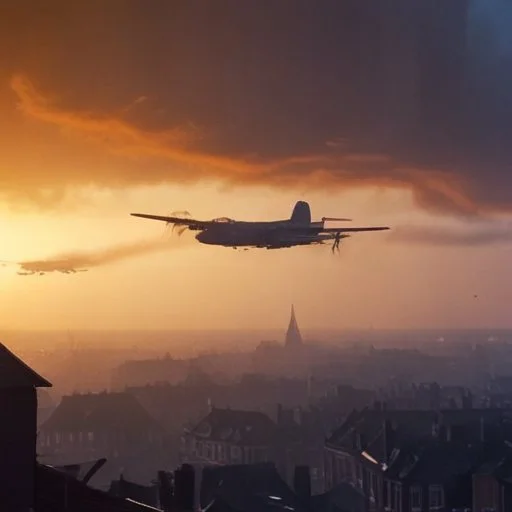
In the final months of World War II, the Allies were intensifying their efforts to defeat the German forces. The British Royal Air Force, in particular, was carrying out a series of bombing raids on German military installations. On March 3, 1945, a squadron of RAF bombers was dispatched to target German airfields in the Netherlands.
As the RAF bombers approached the Netherlands, they were greeted by a thick layer of fog, reducing visibility to near zero. Despite the treacherous conditions, the bombers pressed on, relying on their navigational equipment to guide them to their targets. Tragically, the equipment failed, and the bombers mistakenly released their payload over the Bezuidenhout neighborhood in The Hague.
The bombing raid left a trail of destruction and devastation in its wake. Entire city blocks were reduced to rubble, and hundreds of civilians were killed or injured. The exact number of casualties was 511, with many more left homeless and displaced. The attack also damaged several historic buildings, including the Bezuidenhout Church, which was destroyed in the bombing.
The Bezuidenhout bombing had far-reaching consequences, both militarily and diplomatically. The incident sparked widespread outrage and condemnation, damaging the reputation of the British government and the RAF. The Netherlands, which had already suffered greatly during the war, was left to pick up the pieces and mourn the loss of innocent lives.
The Bezuidenhout bombing had a profound impact on the cultural and social fabric of the Netherlands. The incident led to a surge in anti-British sentiment, and many Dutch citizens began to question the motives of their supposed allies. The tragedy also led to a renewed sense of national unity, as the Dutch people came together to mourn their losses and rebuild their shattered communities.
"The Bezuidenhout bombing was a terrible mistake, and we are deeply sorry for the loss of innocent lives. We must learn from our mistakes and strive to prevent such tragedies from occurring in the future."
Winston Churchill, Prime Minister of the United Kingdom
One of the most poignant accounts of the Bezuidenhout bombing comes from a Dutch eyewitness, who described the scene as "apocalyptic." "I saw people running, screaming, and crying," the eyewitness recalled. "It was like the end of the world."
The Bezuidenhout bombing led to a renewed focus on the development of improved navigational systems for military aircraft. The incident also spurred changes in military protocol, with a greater emphasis on accuracy and caution in bombing raids.
In the aftermath of the bombing, the British government established a relief fund to aid the survivors and rebuild the damaged communities. The fund provided critical support to those affected, helping to rebuild homes, schools, and community centers.
The Bezuidenhout tragedy serves as a poignant reminder of the devastating consequences of war and the importance of accountability and compassion in times of conflict. As we reflect on this tragic event, we honor the memories of those who lost their lives and acknowledge the importance of learning from our mistakes.
The Bezuidenhout bombing had a profound impact on Dutch identity and culture. The tragedy sparked a sense of national unity, as the Dutch people came together to mourn their losses and rebuild their shattered communities. The event also led to a renewed sense of national pride, as the Dutch people began to question the role of foreign powers in their country.
The bombing also had a significant impact on Dutch art and literature. Many Dutch artists and writers were inspired by the tragedy, creating works that reflected the trauma and devastation caused by the bombing. These works served as a form of catharsis, allowing the Dutch people to process their emotions and come to terms with the tragedy.

Wing Commander G.E. Simpson, the commander of the RAF squadron responsible for the bombing, was faced with a difficult decision on that fateful day. With visibility near zero, Simpson was forced to rely on his navigational equipment to guide his squadron to their target. Despite the treacherous conditions, Simpson made the fateful decision to press on, with devastating consequences.
Simpson's decision has been the subject of much debate and criticism. Some have argued that he was reckless and irresponsible, while others have defended his actions, citing the pressure to complete the mission and the limitations of the navigational technology at the time.
The Bezuidenhout bombing occurred during a critical phase of World War II, when the Allies were intensifying their efforts to defeat the German forces. The bombing was part of a larger campaign to disrupt German military operations and weaken their ability to wage war.
The Netherlands, which had been occupied by Germany since 1940, was a key battleground in the war. The Allies were keen to liberate the country and secure its strategic ports and airfields. The Bezuidenhout bombing was a tragic mistake in this larger campaign, but it did not deter the Allies from their ultimate goal of defeating Germany.

The Bezuidenhout bombing highlighted the limitations of navigational technology during World War II. The tragedy led to a renewed focus on developing more accurate and reliable navigational systems for military aircraft.
In the aftermath of the bombing, the British government invested heavily in research and development, seeking to improve the accuracy of their bombing raids. This investment led to significant advances in navigational technology, which would have far-reaching consequences for military operations in the years to come.
The Bezuidenhout bombing has been the subject of much historical debate and analysis. Some historians have viewed the tragedy as a symbol of the brutal and indiscriminate nature of modern warfare.
Others have argued that the bombing was a rare mistake in an otherwise successful campaign to liberate the Netherlands. Regardless of perspective, the Bezuidenhout bombing remains an important and poignant reminder of the devastating consequences of war.