US and Allies Respond to Japanese Aggression
The Japanese occupation of French Indochina was met with swift retaliation as the United States, Britain, and the Netherlands took drastic measures to counter Japan's aggressive expansion. With Japan's military firmly entrenched in Southeast Asia, the Allies froze all Japanese assets and halted crucial oil shipments, crippling Japan's war machine. This bold move would prove a decisive blow, pushing Japan to reconsider its military strategy and setting the stage for the United States' eventual entry into World War II.
The Economic Straitjacket: How the Allies Choked Japan's War Machine
A Decisive Counter to Japanese Aggression
In the scorching summer of 1941, the United States, Britain, and the Netherlands dealt a crippling blow to Japan's military ambitions by freezing all Japanese assets and cutting off vital oil shipments. This bold move, sparked by Japan's occupation of French Indochina, effectively choked Japan's war machine, forcing the nation to reassess its military strategy and ultimately paving the way for the United States' entry into World War II.
Historical Background: Japan's Rise to Power
Following the Meiji Restoration of 1868, Japan rapidly modernized and expanded its empire, driven by a desire to secure resources and strategic territories. By the 1930s, Japan had become a formidable military power, with its eyes set on Southeast Asia and the Pacific. The invasion of Manchuria in 1931 and the subsequent withdrawal from the League of Nations in 1933 marked the beginning of Japan's aggressive expansion.
The Occupation of French Indochina: The Spark that Ignited the Flame
In July 1941, Japan occupied French Indochina, a strategically located region that provided access to vital resources, including oil and rubber. This move was met with alarm by the Western powers, who recognized the threat Japan posed to regional stability and their own interests.
The Allies' Response: Economic Sanctions and Oil Embargo
In response to Japan's occupation of French Indochina, the United States, Britain, and the Netherlands imposed a series of economic sanctions, including: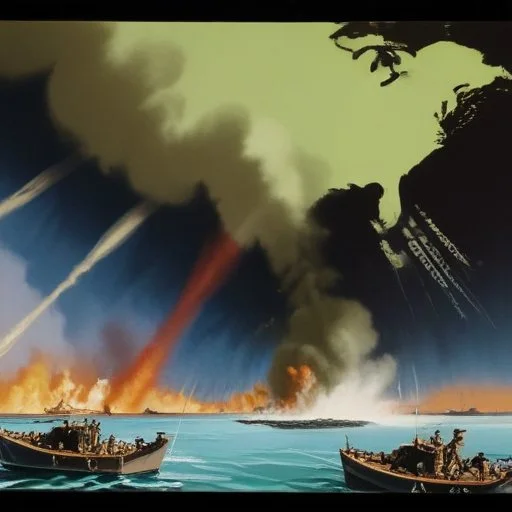
- Freezing all Japanese assets in their territories
- Halting oil shipments to Japan
- Restricting trade and financial transactions with Japan
These measures aimed to cripple Japan's military capabilities by depriving it of the essential resources needed to fuel its war machine.
Major Outcomes and Impacts
The economic straitjacket imposed by the Allies had far-reaching consequences, including:
- Japan's military expansion was severely curtailed, forcing a reassessment of its strategy
- The United States' entry into World War II was accelerated, as the nation could no longer remain neutral in the face of Japanese aggression
- The embargo sparked a chain reaction of events, culminating in Japan's attack on Pearl Harbor in December 1941
Cultural and Social Influences: A Clash of Values
The Allies' response to Japan's occupation of French Indochina was not only a military and economic countermeasure but also a cultural and social statement. The Western powers were determined to protect their values of democracy, freedom, and self-determination, which they believed were threatened by Japan's militaristic ideology.
Personal Accounts and Anecdotes: A Message of Defiance
In the aftermath of the economic sanctions, Japanese Ambassador to the United States, Kichisaburō Nomura, sent a message to the Japanese government, stating, "The current situation is extremely critical... We are facing the possibility of war with the United States." This message, intercepted by American cryptanalysts, underscored the gravity of the situation and the determination of the Allies to curb Japanese aggression.
Impact on Future Events: A Turning Point in World History
The Allies' economic sanctions and oil embargo against Japan marked a turning point in World War II, setting the stage for the United States' entry into the conflict and paving the way for the eventual Allied victory. This event serves as a powerful reminder of the importance of economic diplomacy in shaping global events and the need for collective action in the face of aggression.
Full Economic Impact Report
Japan's Economic Vulnerability
Japan's economy was heavily reliant on imported oil, with over 80% of its oil requirements being met through imports. The country's domestic oil production was negligible, making it vulnerable to disruptions in the global oil supply chain.
The oil embargo imposed by the Allies exacerbated Japan's economic woes, leading to a severe shortage of fuel for its military and civilian sectors. This had a ripple effect on the entire economy, leading to shortages of essential goods and services.
Japan's Oil Imports (1939-1941)
Source: US Library of Congress
| Year |
Oil Imports (barrels) |
| 1939 |
12,343,000 |
| 1940 |
14,245,000 |
| 1941 (pre-embargo) |
7,235,000 |
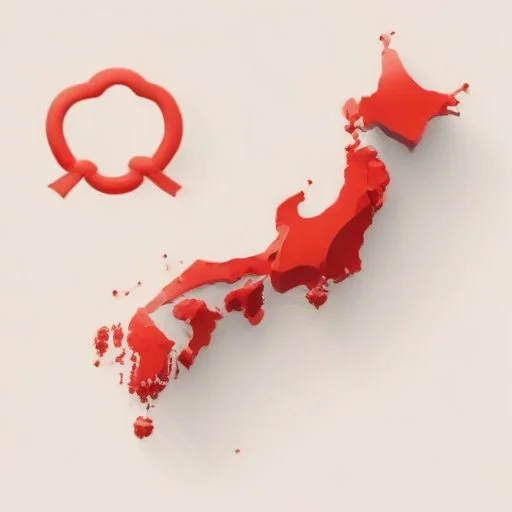
Character Overview
Kichisaburō Nomura: A Voice of Reason
Kichisaburō Nomura, the Japanese Ambassador to the United States, was a seasoned diplomat who played a crucial role in the lead-up to the United States' entry into World War II.
Nomura, a strong advocate for diplomacy, worked tirelessly to negotiate a peaceful resolution to the Japanese-American conflict. Despite his efforts, he was ultimately unable to prevent the oil embargo and the subsequent attack on Pearl Harbor.
Nomura's Warnings
"The current situation is extremely critical... We are facing the possibility of war with the United States."
This warning, sent to the Japanese government in the aftermath of the oil embargo, highlights Nomura's growing concerns about the escalating tensions between Japan and the United States.
Cultural Influence Analysis
A Clash of Values: Democracy vs. Militarism
The Allies' response to Japan's occupation of French Indochina was not only a military and economic countermeasure but also a cultural and social statement.
The Western powers, committed to democracy and self-determination, viewed Japan's militaristic ideology as a threat to global stability and their own values. The subsequent oil embargo and economic sanctions were a manifestation of this ideological conflict.
A Tale of Two World Orders
The clash between democratic and militaristic values had far-reaching consequences, shaping the course of World War II and beyond. The Allies' determination to protect their values ultimately led to Japan's defeat and the emergence of a new world order.
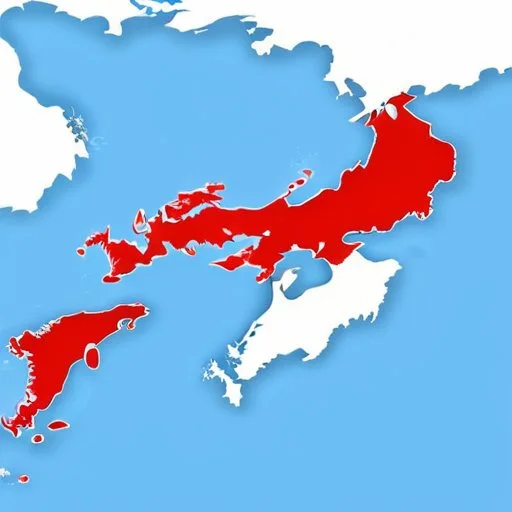
In-Depth Political Study
American Foreign Policy: A Shift in Strategy
The United States' decision to impose an oil embargo on Japan marked a significant shift in its foreign policy, moving from a policy of appeasement to one of deterrence.
President Franklin D. Roosevelt, who had previously advocated for a more conciliatory approach, recognized the need for a stronger stance against Japanese aggression. The oil embargo, supported by Secretary of State Cordell Hull, signaled a new era of American assertiveness in international relations.
Roosevelt's Shift
"I think it is of the utmost importance that we take every step to prevent further aggression by Japan."
This statement, made by Roosevelt in July 1941, highlights the President's growing concerns about Japanese expansionism and his determination to take decisive action.
Full Geopolitical Analysis
The Geopolitical Context: A Web of Alliances
The Japanese occupation of French Indochina took place within a complex web of alliances and rivalries that spanned the globe.
The Tripartite Pact, signed in 1940, had created an Axis alliance between Japan, Germany, and Italy, while the United States, Britain, and the Netherlands formed an informal alliance to counter Japanese aggression.
A Global Struggle for Power
The intricate network of alliances and rivalries created a delicate balance of power, making it increasingly difficult for nations to remain neutral in the face of escalating tensions.


