


In the early stages of World War II, a devastating incident shook the British Royal Navy to its core. On September 10, 1939, HMS Oxley, a British submarine, met its tragic fate when it was mistakenly torpedoed and sunk by its own sister ship, HMS Triton, near Norway. This calamitous error marked the Royal Navy's first submarine loss in the war, leaving a lasting impact on the Allied forces and the families of the 52 British sailors who lost their lives.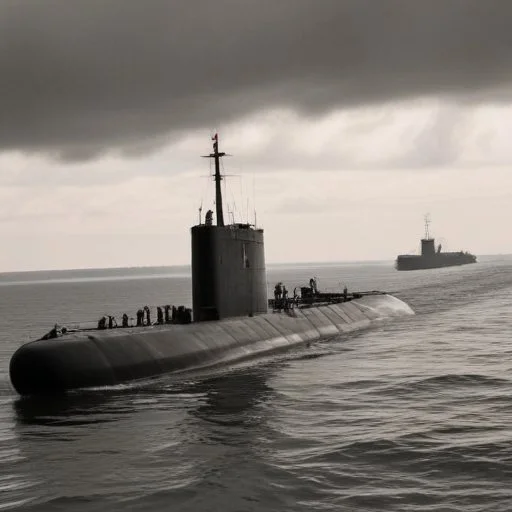
The incident took place in the treacherous waters of the North Sea, where the HMS Triton and HMS Oxley were conducting reconnaissance missions. In the midst of a complex operation, a series of miscommunications and errors in identification led the HMS Triton to mistakenly target the HMS Oxley. A torpedo struck the unsuspecting submarine, resulting in its swift demise.
The news of the tragedy sent shockwaves throughout the Royal Navy, and an immediate investigation was launched to determine the causes of the incident. The inquiry revealed a chain of events that had led to the catastrophic mistake, including inadequate communication protocols, poor visibility, and human error.
The loss of HMS Oxley and its crew was met with profound grief and sadness, not only within the Royal Navy but also among the British public. The incident served as a stark reminder of the unforgiving nature of war and the risks taken by those serving in the armed forces.
The HMS Oxley's tragic fate serves as a poignant reminder of the sacrifices made by those who serve in the armed forces. The 52 lives lost in the incident will never be forgotten, and their bravery and dedication to their country will always be honored.
The HMS Oxley incident led to significant changes in the Royal Navy's communication protocols and identification procedures, ensuring that such a tragedy would never occur again. The incident also highlighted the importance of vigilance and attention to detail in the heat of battle.
In the end, the sinking of HMS Oxley serves as a heart-wrenching reminder of the human cost of war, but also of the importance of learning from our mistakes to prevent such tragedies from happening again.
Commander H.N. Edmonds, the commander of HMS Triton, was a seasoned naval officer with a reputation for being thorough and meticulous. However, on that fateful day, he made a series of critical errors that led to the sinking of HMS Oxley.
Edmonds was born in 1895 and joined the Royal Navy in 1913. He saw action in World War I and was decorated for his bravery. In the interwar period, he served on various ships, eventually rising to the rank of commander.
Despite his experience, Edmonds was criticized for his role in the sinking of HMS Oxley. The investigation revealed that he had failed to follow proper identification procedures, and his decision to fire on the unknown submarine without verifying its identity was deemed reckless.
The sinking of HMS Oxley occurred during a critical period in World War II, just days after Britain declared war on Germany.
The North Sea was a vital strategic location, with both the Allies and the Axis powers vying for control. The German U-boat fleet was a significant threat to British shipping, and the Royal Navy was tasked with neutralizing this threat.
In this context, the HMS Oxley and HMS Triton were conducting reconnaissance missions to gather intelligence on German naval movements. The incident highlights the complexity and risk involved in naval operations during wartime.
The sinking of HMS Oxley led to a significant overhaul of the Royal Navy's submarine identification procedures and communication protocols.
The incident highlighted the need for improved radar and wireless communication systems, as well as more effective identification friend or foe (IFF) systems.
In response, the Royal Navy accelerated its development of new technologies, including improved sonar and radar systems, which would play a crucial role in the remainder of the war.
The sinking of HMS Oxley had a profound impact on the British public, serving as a stark reminder of the risks and sacrifices involved in wartime.
The incident was widely reported in the press, with many newspapers carrying front-page headlines about the tragedy.
The incident also had a lasting impact on the Royal Navy's morale, leading to a renewed focus on safety protocols and crew training.
Historians have debated the significance of the HMS Oxley incident, with some viewing it as a minor setback in the larger context of World War II.
Others argue that the incident had a profound impact on the Royal Navy's strategy and tactics, leading to changes in the way submarines were deployed and operated.
Regardless, the incident remains a significant footnote in the history of World War II, serving as a reminder of the human cost of war.