


The surrender of Caserta, a pivotal moment in World War II, marked the official ceasing of hostilities between German troops and the Allied forces in Italy. On this day, May 2, 1945, the Royal Palace of Caserta witnessed the signing of the historic surrender agreement, bringing an end to the brutal combat in Italy and paving the way for the eventual defeat of Nazi Germany.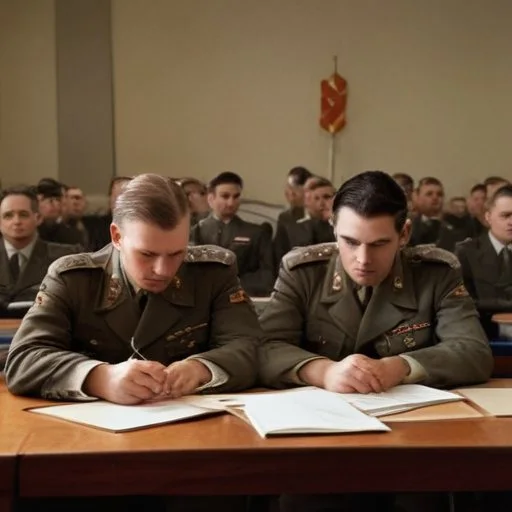
The Italian campaign, which began in 1943, was one of the longest and bloodiest battles of World War II. The Allies, comprising British, American, and other forces, faced off against the German army, which had occupied Italy since 1943. The struggle was intense, with both sides suffering heavy losses. As the war dragged on, the German army, exhausted and demoralized, began to lose ground.
General Heinrich von Vietinghoff, the German commander-in-chief in Italy, was tasked with negotiating the surrender of his troops. Vietinghoff, aware of the dire situation, knew that continuing to fight would only lead to further bloodshed and destruction. He gambled on negotiating a surrender, hoping to spare his troops and the Italian population from further harm.
The surrender agreement, signed on April 29, 1945, at the Royal Palace of Caserta, was a comprehensive document outlining the terms of the German surrender. The agreement called for the immediate cessation of hostilities, the disarmament of German troops, and the handover of all military equipment to the Allied forces.
The surrender of Caserta had far-reaching consequences. The end of combat in Italy paved the way for the Allied forces to focus on the final push into Germany. The surrender also marked a significant blow to the Axis powers, foreshadowing the impending collapse of the Third Reich.
The surrender of Caserta had a profound impact on the Italian people, who had suffered greatly during the war. The end of combat brought a sense of relief and hope for a better future. The event also marked a turning point in the relationship between Italy and the Allied forces, paving the way for a long-lasting alliance.
The surrender of Caserta is a testament to the bravery and sacrifice of the soldiers who fought on both sides of the conflict. The event serves as a reminder of the devastating consequences of war and the importance of seeking peace and reconciliation.
The road to the surrender of Caserta was paved with a series of intense battles and strategic maneuvering by the Allied forces. One of the most critical battles was the Battle of Monte Cassino, which took place from January 12 to May 19, 1944. The battle was a brutal and bloody affair, with both sides suffering heavy losses. However, the Allies eventually emerged victorious, and the German army was forced to retreat northwards. This marked a significant turning point in the Italian campaign, as the Allies were able to gain a foothold in central Italy and begin their push towards the north.
The Allies' victory at Monte Cassino was followed by a series of rapid advances, as they pushed the German army back towards the north. The Germans, realizing their situation was becoming increasingly desperate, began to make tentative overtures towards surrender. It was against this backdrop that General Heinrich von Vietinghoff, the German commander-in-chief in Italy, decided to gamble on negotiating a surrender.

General Heinrich von Vietinghoff was a career soldier who had risen through the ranks of the German army. Born in 1887, he had seen action in World War I and had been awarded the Iron Cross for his bravery. During World War II, he served on the Eastern Front before being transferred to Italy in 1943.
Vietinghoff was a pragmatic and realistic commander, who recognized the futility of continuing to fight a losing battle. Despite his loyalty to the Nazi regime, he was willing to defy orders and negotiate a surrender in order to spare his troops and the Italian population from further suffering. His decision to surrender at Caserta was a courageous and humane act that saved countless lives.
The surrender of Caserta had a profound impact on Italian culture and society. After years of occupation and brutal combat, the Italian people were finally able to breathe a sigh of relief. The event marked a turning point in the country's history, as it began to rebuild and recover from the devastation of war.
The surrender also had a significant impact on the arts, as Italian writers, artists, and musicians began to explore the themes of war, suffering, and redemption. The event inspired a new wave of creative works, as artists sought to make sense of the trauma and destruction that had been inflicted on their country.

The economic impact of the surrender of Caserta was significant, as it marked the beginning of the end of Germany's occupation of Italy. The Allies were able to restore order and stability to the country, and begin the process of rebuilding and reconstruction.
The surrender also had a major impact on the global economy, as it marked a significant blow to the Axis powers and paved the way for the eventual defeat of Nazi Germany. The Allies were able to redirect their resources and attention to other theaters of war, and the surrender of Caserta played a key role in the ultimate Allied victory.
The surrender of Caserta was a major political victory for the Allies, as it marked a significant turning point in the war in Italy. The event was a major blow to the Axis powers, and paved the way for the eventual defeat of Nazi Germany.
The surrender also had significant implications for the post-war world order, as it marked a shift in the balance of power in Europe. The Allies were able to establish a new order in Italy, and the event played a key role in shaping the contours of the post-war world.