


The dusty landscapes of Tunisia, once a tranquil haven for Berber tribes and French colonizers, became a battleground in 1943, as General Hans-Jürgen von Arnim's Fifth Panzer Army launched a bold counterattack against the Allied forces, seeking to reclaim North African territories and shift the balance of power in World War II. This pivotal event, known as the Tunisia Campaign, would ultimately seal the fate of the Axis powers in the region.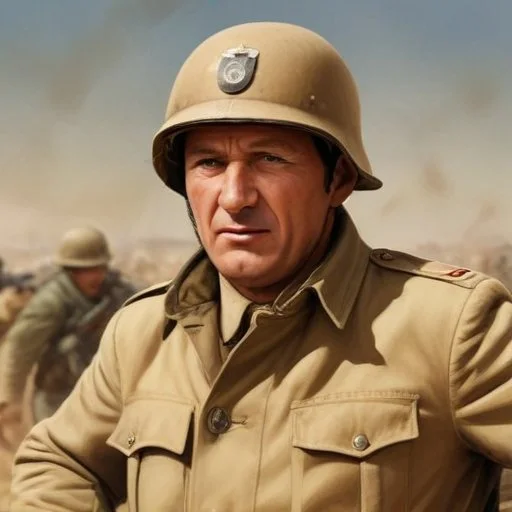
In the autumn of 1942, the Allies, led by General Dwight D. Eisenhower, had successfully landed in Morocco and Algeria, initiating Operation Torch. As the Allies pushed eastward, the Axis powers, comprising German and Italian forces, were driven back to Tunisia, where they regrouped and prepared to launch a counterattack.
At the helm of the Fifth Panzer Army stood General Hans-Jürgen von Arnim, a seasoned commander with experience in the desert war. His forces, comprising battle-hardened veterans and fresh recruits, were determined to regain control of Tunisia and restore German honor.
The Tunisia Campaign proved a decisive turning point in the North African theater of World War II. Although the Fifth Panzer Army's counterattack gained initial success, the Allies ultimately held their ground, and the German forces were unable to regain control of Tunisia.
The outcome of the battle had significant implications for the war in North Africa: the Allies secured a crucial victory, paving the way for the eventual defeat of the Axis powers in the region. The Tunisia Campaign also marked a shift in the balance of power, as the Allies began to gain the upper hand in the war.
General Hans-Jürgen von Arnim's leadership during the Tunisia Campaign earned him recognition as a skilled and tenacious commander. However, his legacy is also marked by controversy, as his decision to launch a counterattack against the Allies has been criticized as a costly mistake.
In the years following the war, von Arnim's reputation was tarnished by his association with the Nazi regime. Despite this, his military prowess and bravery in the face of adversity remain an inspiration to many.
"The Tunisian campaign was a bitter struggle, but in the end, we emerged victorious. The bravery and sacrifice of our soldiers will never be forgotten." - General Dwight D. Eisenhower
"I am proud to have led the Fifth Panzer Army in the Tunisia Campaign. Despite the setbacks, we demonstrated our strength and determination in the face of adversity." - General Hans-Jürgen von Arnim
The Tunisia Campaign served as a valuable lesson for military commanders on both sides of the conflict. The importance of adaptability, strategic planning, and logistical coordination was underscored by the bitter fighting in the desert.
The campaign also highlighted the significance of coalition warfare, as the Allies worked together to achieve a common goal. These lessons would be applied in future battles, shaping the course of World War II and beyond.
Among the soldiers who fought in the Tunisia Campaign was a young lieutenant named Friedrich, who recalled the ferocity of the battle: "The desert was ablaze with artillery fire and tank battles. I saw comrades fall around me, but we pushed on, driven by duty and desperation."
Such personal accounts humanize the conflict, reminding us that behind the grand strategies and grandiose speeches, ordinary men and women fought and sacrificed for their countries.
In the aftermath of the war, memorials and cemeteries were established in Tunisia to honor the soldiers who lost their lives in the campaign. The Allied and Axis powers worked together to ensure that the fallen were remembered and respected, regardless of their nationality.
Today, these memorials serve as poignant reminders of the devastating cost of war and the importance of promoting peace and understanding between nations.
General Hans-Jürgen von Arnim was born on April 4, 1889, in Ernsdorf, German Empire. He came from a family with a long history of military service and was expected to follow in their footsteps. Von Arnim's early life was marked by a sense of duty and discipline, which would later define his military career.
Von Arnim's experience in World War I played a significant role in shaping his military strategies. He served on the Eastern Front, where he was involved in several key battles. After the war, he remained in the German army and rose through the ranks, becoming a respected and seasoned commander.
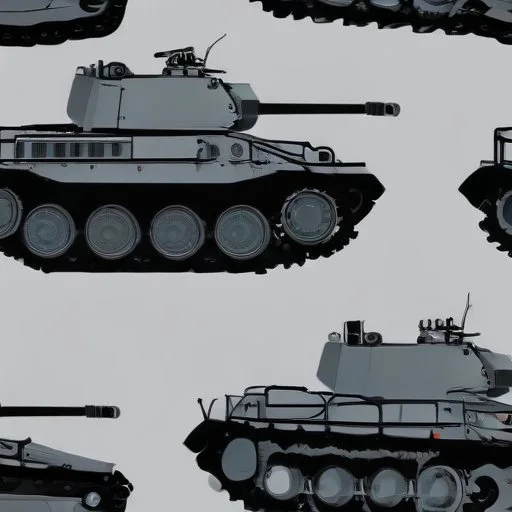
The Tunisia Campaign took place against the backdrop of a larger geopolitical struggle for control of North Africa. The Allies, led by the United States and Great Britain, sought to secure the region and prevent the Axis powers from gaining a foothold. The Axis powers, comprised of Germany and Italy, aimed to expand their territory and resources.
The campaign was also influenced by the domestic politics of the involved nations. In Germany, Adolf Hitler's Nazi regime was under pressure to deliver a decisive victory, while in the United States, President Franklin D. Roosevelt was eager to demonstrate American military might.
Historians have long debated the significance of the Tunisia Campaign in the larger context of World War II. Some argue that the campaign was a crucial turning point, marking the beginning of the end of Axis power in North Africa. Others contend that it was a minor skirmish, overshadowed by the more decisive battles in Europe and the Pacific.
Recent scholarship has sought to reevaluate the campaign, examining the roles of individual commanders and the impact of terrain and logistics on the outcome. This renewed focus has shed new light on the campaign's importance and its lasting impact on military strategy.

The Tunisia Campaign had a profound impact on the cultural landscape of North Africa. The conflict brought together soldiers from diverse backgrounds, fostering a sense of camaraderie and shared purpose. The campaign also introduced modern technology and infrastructure to the region, transforming the way people lived and worked.
In the aftermath of the war, the Allies worked to rebuild and restore the damaged region. This effort led to the establishment of new cultural institutions, such as museums and libraries, which helped to preserve the region's rich cultural heritage.
One of the most significant artifacts from the Tunisia Campaign is the diary of a German soldier, discovered in the ruins of a bombed-out bunker. The diary provides a rare glimpse into the daily life of a soldier on the front lines, detailing the fear, boredom, and camaraderie that defined the experience.
Another important artifact is the map used by General von Arnim to plan the counterattack. This map, now housed in the military archives, offers insight into the strategic thinking of the German high command and the challenges of waging war in the desert terrain.