


On March 4, 1941, the United Kingdom launched Operation Claymore, a daring daylight assault on the Lofoten Islands in Norway, marking the first large-scale British Commando raid of World War II. This audacious operation showcased the elite forces' prowess as a formidable fighting force, dealt a significant blow to German military operations, and bolstered Allied morale.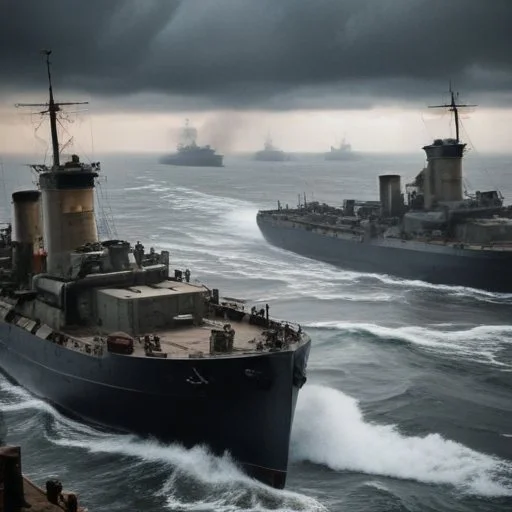
In the spring of 1941, the British government recognized the need to disrupt German military operations in Norway, which had been occupied since April 1940. The Lofoten Islands, located off the northwestern coast of Norway, were a strategic location, providing a vital route for German supply ships and serving as a key base for U-boat operations.
The success of Operation Claymore had far-reaching consequences, including:
Operation Claymore had a profound impact on the British war effort, cementing the Commandos' reputation as elite forces capable of executing daring and successful operations. The raid also highlighted the importance of Norway as a strategic location in the war, leading to increased Allied attention and efforts in the region.
"The success of Operation Claymore has shown that the Commandos are a force to be reckoned with, and we will continue to use them to harass and disrupt the enemy wherever possible." - Admiral Lord Louis Mountbatten
Operation Claymore is often compared to other Commando raids during World War II, such as Operation Archery, which targeted the Norwegian island of Vågsøy in December 1941. While both operations shared similar objectives and tactics, Operation Claymore holds a unique place in history as the first large-scale British Commando raid.
One Commando, recalling the raid, stated: "We knew it was a risky operation, but we had trained for months and were confident in our abilities. The Germans were caught off guard, and we were able to inflict significant damage before withdrawing."
Operation Claymore paved the way for future Commando raids, including Operation Archery and Operation Jubilee, which targeted Dieppe, France, in August 1942. The success of these operations demonstrated the value of elite forces in disrupting enemy operations and secured a permanent place for the Commandos in the British military.
A timeline of key events and milestones surrounding Operation Claymore can be seen below:
| February 1941 | Planning for Operation Claymore begins |
| March 4, 1941 | The British Commandos launch a surprise attack on the Lofoten Islands |
| March 1941 | The success of Operation Claymore is hailed as a major Allied victory |
Did you know that Operation Claymore was originally intended to be a much larger operation, involving up to 1,000 Commandos? However, due to logistical constraints, the force was reduced to approximately 500 men.
The success of Operation Claymore led to increased support for the British war effort, with the public rallying behind the Commandos and their achievements. The operation also highlighted the importance of Norway as a key location in the war, leading to increased humanitarian aid and support for the Norwegian people.
Operation Claymore was not just a bold military operation, but it also marked a significant shift in the British approach to warfare. The raid demonstrated the value of swift and decisive action, which would become a hallmark of British military strategy in the coming years. In the months following the operation, the British government and military leaders would draw on the lessons learned from Claymore to plan and execute future commando raids.
The success of Operation Claymore also led to an increase in resources and support for the British Commandos. The unit, which had been established just a year earlier, suddenly found itself in the spotlight, with the British public and government eager to learn more about this elite fighting force. The increased support would enable the Commandos to continue to play a key role in the war effort, conducting numerous other raids and operations throughout Europe.
In the years that followed, the Lofoten Islands would remain an important location for the British military. The islands' strategic position made them an ideal base for operations against German naval and merchant shipping. The British would continue to conduct raids and operations in the area, leveraging the islands' unique geography to their advantage.
Admiral Lord Louis Mountbatten, the commander of Combined Operations, was a key figure in the planning and execution of Operation Claymore. A seasoned naval officer, Mountbatten brought a wealth of experience and expertise to the operation. His leadership and vision played a crucial role in the success of the raid, and he would go on to play a key role in many other British military operations throughout the war.
Mountbatten's confidence in the Commandos and their abilities was a major factor in the success of Operation Claymore. He had been a strong supporter of the unit from its inception, and had worked tirelessly to build their capabilities and reputation. His faith in the Commandos was rewarded on March 4, 1941, as they delivered a decisive blow to German forces in the Lofoten Islands.
In the aftermath of Operation Claymore, Mountbatten's reputation as a military leader was cemented. He would go on to become one of the most respected and influential military leaders of the war, playing a key role in many other important operations and campaigns.
Operation Claymore had a profound impact on British popular culture, capturing the imagination of the public and inspiring a wave of patriotism and support for the war effort. The raid was hailed as a major victory, and the Commandos were celebrated as heroes.
The success of Operation Claymore also led to an increase in the production of war-related propaganda and media. Films, books, and newspapers all covered the raid, highlighting the bravery and skill of the Commandos. The operation became a symbol of British determination and resistance, and its impact would be felt for years to come.
In the years that followed, the Commandos would become an important part of British cultural identity, symbolizing the country's ability to adapt and innovate in the face of adversity. The raid would be remembered as a turning point in the war, marking the beginning of a new era of British military operations.

Operation Claymore is often compared to other Commando raids conducted during World War II, such as Operation Archery and Operation Jubilee. While these operations shared similarities with Claymore, they also had some key differences.
One of the main differences between Operation Claymore and these other raids was the level of planning and preparation involved. Claymore was a meticulously planned operation, with months of preparation and training going into the raid. In contrast, some of the other raids were more hastily planned, with less time for training and preparation.
Despite these differences, all of these operations shared a common goal: to disrupt and damage German military operations. They demonstrate the importance of unconventional warfare and the value of elite fighting units in achieving strategic objectives.
The economic impact of Operation Claymore was significant, with the destruction of German fish oil production facilities and the sinking of enemy ships disrupting supply lines and impeding U-boat operations.
The raid also had a major impact on the British war effort, securing vital resources such as cod-liver oil and glycerin. These resources played a crucial role in the production of explosives and other war-related materials, and their capture was a significant blow to German efforts.
In the years that followed, the British would continue to prioritize the capture of strategic resources, recognizing the importance of disrupting German supply lines and gaining access to vital materials. The economic impact of Operation Claymore would be felt for years to come, shaping the course of the war and beyond.