


The USS Tang, commanded by the top American submarine ace of World War II, Richard O'Kane, was a formidable force to be reckoned with, having already sunk an impressive 26 Japanese ships. However, on a fateful day in 1944, the Tang's luck ran out when one of its own malfunctioning torpedoes turned back on the submarine, sinking it in the Taiwan Strait.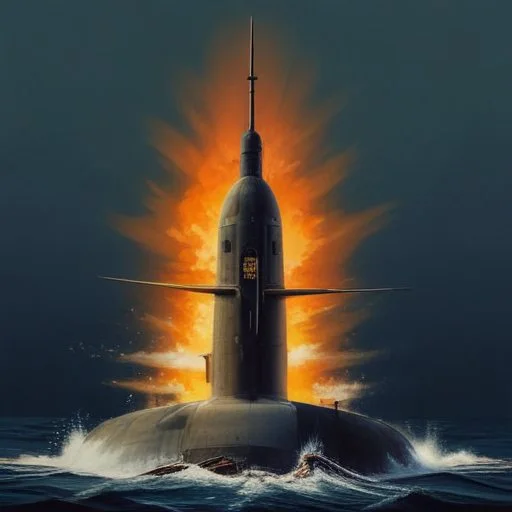
The USS Tang, a Gato-class submarine, was commissioned in October 1943, and under the command of Lieutenant Commander Richard O'Kane, it quickly established itself as one of the most successful American submarines of the war. O'Kane, a seasoned naval officer, had already earned a reputation for his bravery and tactical prowess, and the Tang was the perfect vessel for him to wield his skills.
On October 24, 1944, the Tang was on patrol in the Taiwan Strait, tasked with intercepting Japanese shipping. During a routine attack, one of the submarine's torpedoes malfunctioned, breaking off from its intended target and circling back towards the Tang. The crew, caught off guard, was unable to react in time, and the torpedo struck the submarine, causing catastrophic damage.
As the Tang began to take on water, O'Kane and his crew fought to save their ship, but it was a losing battle. The submarine slowly sank to the bottom of the Taiwan Strait, taking 74 of its 87 crew members with it. Only 13 survivors, including O'Kane, managed to escape, but they were quickly captured by the Japanese and taken prisoner.
The sinking of the USS Tang had a profound impact on the war effort, highlighting the unpredictability of submarine warfare. The loss of such a seasoned commander and crew was a significant blow to the American Navy, but it also served as a wake-up call, prompting changes in submarine tactics and safety protocols.
O'Kane, who spent the remainder of the war in Japanese captivity, later recounted the horrors he and his fellow prisoners endured. Despite the brutality of their treatment, O'Kane's leadership and resilience helped maintain the morale of his fellow prisoners, earning him the respect and admiration of his captors.
The story of the USS Tang and Richard O'Kane serves as a testament to the bravery and sacrifice of those who served in World War II. O'Kane's unwavering dedication to his crew and country, even in the face of defeat, is an inspiration to us all, reminding us of the importance of courage, perseverance, and loyalty.
In recognition of his heroism and sacrifice, Richard O'Kane was awarded the Medal of Honor, the United States' highest military honor. The USS Tang's legacy lives on, serving as a reminder of the sacrifices made during World War II, and the importance of honoring those who have served.
"In the face of overwhelming odds, the Tang's crew fought valiantly, and their bravery will never be forgotten." - Richard O'Kane
The story of the USS Tang and Richard O'Kane is a powerful reminder of the sacrifices made during World War II, and the importance of honoring those who have served. Their bravery and sacrifice will never be forgotten, and their legacy continues to inspire generations to come.
Richard O'Kane, the commander of the USS Tang, was a man of exceptional bravery and tactical genius. Born on February 2, 1911, in Dover, New Hampshire, O'Kane came from a family with a strong naval tradition. His father, a retired naval officer, instilled in him a sense of discipline and duty that would serve him well throughout his military career.
O'Kane's leadership style was marked by his fearless approach to combat and his unwavering commitment to his crew. He was known for his ability to stay calm under pressure, often making bold decisions that would catch his enemies off guard.
Despite his impressive military credentials, O'Kane remained humble and kind, earning the respect and admiration of his crew. His leadership played a significant role in the Tang's remarkable success, and his bravery in the face of defeat inspired his fellow prisoners during their time in captivity.
The USS Tang's final mission took place during a critical phase of the war in the Pacific. The Japanese Empire, realizing its grip on the region was slipping, was desperate to maintain its supply lines and protect its remaining territories.
The Taiwan Strait, where the Tang was operating, was a vital waterway for Japanese shipping. The Allies, aware of its importance, had launched a concerted effort to disrupt Japanese supply lines, hoping to weaken their enemy's ability to wage war.
The Tang's patrol in the Taiwan Strait was part of a broader Allied strategy to strangle the Japanese war effort. The submarine's mission was to intercept and sink Japanese shipping, thereby crippling their enemy's ability to resupply its troops and maintain its war machine.
The sinking of the USS Tang had a significant impact on the development of submarine warfare. The incident highlighted the dangers of malfunctioning torpedoes, prompting the US Navy to re-examine its torpedo design and safety protocols.
The Tang's loss also led to improvements in submarine escape procedures. The Navy realized that the slow and cumbersome escape process had contributed to the high number of casualties during the Tang's sinking.
In the years following the war, the US Navy continued to refine its submarine technology, incorporating new safety features and designs that would reduce the risk of similar disasters in the future.
The USS Tang's patrol report, declassified after the war, provides a fascinating insight into the submarine's final days. The report details the Tang's patrol route, its encounters with Japanese shipping, and its crew's bravery in the face of overwhelming odds.
The report also includes cryptic messages from Commander O'Kane, offering a glimpse into the submarine's desperate struggle to survive. One message, sent just hours before the Tang's sinking, reads: " japonese escort vessel... believe we have been detected..."
The patrol report is a poignant reminder of the sacrifices made by the USS Tang's crew and a testament to their bravery in the face of adversity.
The sinking of the USS Tang had significant political implications for the US Navy. The loss of such a decorated submarine and its crew was a major blow to American morale, and the Navy faced intense scrutiny over the incident.
The incident led to a series of investigations and inquiries, with the Navy ultimately concluding that a combination of factors, including a malfunctioning torpedo and poor communication, had contributed to the tragedy.
The USS Tang's sinking also led to changes in the way the Navy handled the families of fallen sailors. The incident highlighted the need for better communication and support for families during times of crisis, leading to reforms in the Navy's family support services.