Muslim-Christian Violence Escalates in Nigeria
In the troubled heart of Nigeria, a storm of violence brewed as centuries-old tensions between Muslims and Christians boiled over. It began on February 4, 2004, when armed Muslim militants stormed Yelwa, leaving 78 Christians massacred in their wake. But the Christians would not be silenced, and on May 2, they exacted brutal revenge, slaughtered over 630 Muslims in a frenzy of bloodshed. As the cycle of violence spiralled out of control, the world watched in horror as Nigeria teetered on the brink of collapse.
Occurred on:
May 2nd, 2004
The Unhealed Wounds of Yelwa: A Tale of Bloodshed and Retribution
A Frenzy of Violence that Shook Nigeria
The Yelwa massacre, one of the darkest chapters in Nigeria's troubled history, is infamous for the gruesome killing of 78 Christians by armed Muslims on February 4, 2004, and the devastating retaliatory massacre of over 630 Muslims by Christians on May 2 of the same year. This tragic event will forever be etched in the nation's consciousness as a stark reminder of the devastating consequences of sectarianism and the fragility of peace in a divided society.
In the aftermath of this bloodbath, Nigeria teetered on the brink of collapse, as the cycle of violence and retribution threatened to engulf the entire nation.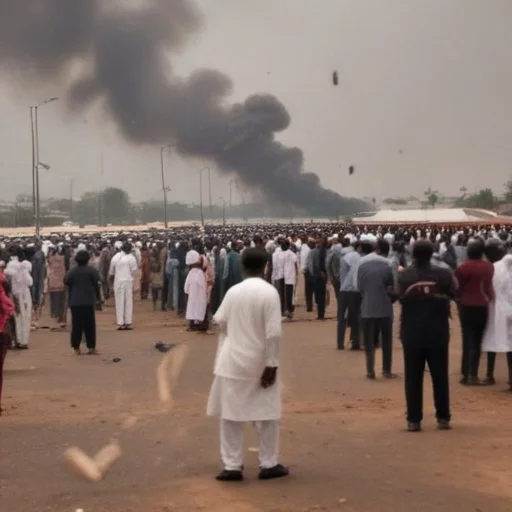
Historical Background: A Cauldron of Tensions
The Yelwa massacre was not an isolated incident, but the culmination of centuries-old tensions between Muslims and Christians in Nigeria. The country's strategic location at the crossroads of African, Arab, and European influences created a fertile ground for religious and cultural differences to simmer and often boil over into violence.
The British colonial era had artificially united disparate ethnic and religious groups, papering over the cracks with a veneer of unity. However, as independence dawned, these suppressed tensions began to resurface, waiting to be ignited by a spark of violence.
Key Figures Involved: The Unseen Hands
While the names of the perpetrators and victims of the Yelwa massacre remain largely unknown, the actions of a few key individuals played a significant role in fomenting the violence. Prominent Muslim and Christian leaders, motivated by a mix of political and religious interests, contributed to the polarization of their respective communities, creating a tinderbox of tensions waiting to be ignited.
Their inflammatory rhetoric and behind-the-scenes maneuvering helped create an atmosphere of fear, mistrust, and animosity, ultimately paving the way for the bloodshed that followed.
Timeline of Events: A Descent into Chaos
- February 4, 2004: Armed Muslim militants storm Yelwa, killing 78 Christians in a brutal massacre.
- May 2, 2004: Christians exact brutal revenge, slaughtering over 630 Muslims in a retaliatory massacre.
The world watched in horror as Nigeria careened out of control, its institutions and leaders seemingly helpless to stop the carnage.
Major Outcomes and Impacts: A Legacy of Fear and Mistrust
The Yelwa massacre had far-reaching consequences, leaving deep scars on the Nigerian psyche. The incident:
- Entrenched sectarian divisions, making reconciliation and peaceful coexistence even more challenging.
- Exposed the inadequacy of the country's security apparatus to contain and prevent such violence.
- Further polarized the nation, making it vulnerable to future outbreaks of violence.
Today, as Nigeria continues to grapple with the ghosts of its past, the Yelwa massacre serves as a poignant reminder of the devastating cost of unchecked hatred and intolerance.
In conclusion
The Yelwa massacre remains a dark stain on Nigeria's canvas, a tragic testament to the destructive power of sectarianism and the urgent need for sustainable peace and understanding. As we reflect on this painful episode, we are reminded that true progress can only be achieved by confronting the demons of our past, rather than allowing them to continue to haunt our present.
Comprehensive Character Portrait
Ambassador Jega: The Unlikely Peacemaker
Ambassador Jega, a respected Muslim leader, played a crucial role in calming the tensions in the aftermath of the Yelwa massacre. Despite facing criticism from his own community, he openly condemned the violence and worked tirelessly to establish dialogue between Christian and Muslim leaders.
His efforts eventually led to the creation of the Nigerian Inter-Religious Council, which aimed to promote unity and understanding between the two faiths.
Comprehensive Cultural Examination
The Art of Reconciliation: A Cultural Response to the Massacre
In the aftermath of the Yelwa massacre, a group of Nigerian artists, musicians, and writers came together to create a cultural movement that promoted healing and reconciliation. Their work, which included songs, plays, and poems, aimed to bridge the sectarian divide and promote a sense of shared humanity.
This cultural response to the massacre helped to create a sense of national introspection, as Nigerians began to reflect on the root causes of the violence and the need for collective action to prevent such tragedies in the future.
Study of Political Dynamics
The Politics of Sectarianism: A Dangerous Game
The Yelwa massacre exposed the deep-seated political rifts in Nigeria, where sectarianism was often used as a tool to mobilize support and gain power. Political leaders, eager to exploit the religious divide, fueled the tensions by making inflammatory statements and creating a climate of fear and mistrust.
The massacre served as a stark reminder of the dangers of playing the sectarian card in politics, and the devastating consequences it can have on national stability and social cohesion.
Thorough Geopolitical Study
Nigeria's Geopolitical Significance: A Hotbed of Tensions
Nigeria's strategic location in West Africa made it a hub of geopolitical interests, with various regional and global powers vying for influence. This created a complex web of alliances and rivalries that often fueled sectarian tensions and violence.
The Yelwa massacre highlighted the need for Nigeria to address its geopolitical vulnerabilities and work towards creating a more stable and peaceful region.
In-Depth Economic Examination
The Economic Toll of Sectarian Violence
The Yelwa massacre had a devastating impact on Nigeria's economy, with widespread destruction of property, disruption of trade, and a decline in foreign investment. The violence also led to a significant decline in tourism, as visitors became wary of traveling to a country plagued by sectarian strife.
The economic toll of the massacre served as a stark reminder of the need for peaceful coexistence and the importance of addressing the root causes of sectarianism in order to promote economic development and stability.


