


July 11, 1995, marks the beginning of one of the most horrific atrocities in human history, the Srebrenica massacre, which would last until July 22. This brutal event would claim the lives of an estimated 8,000 innocent Muslim men and boys, making it the worst massacre on European soil since World War II.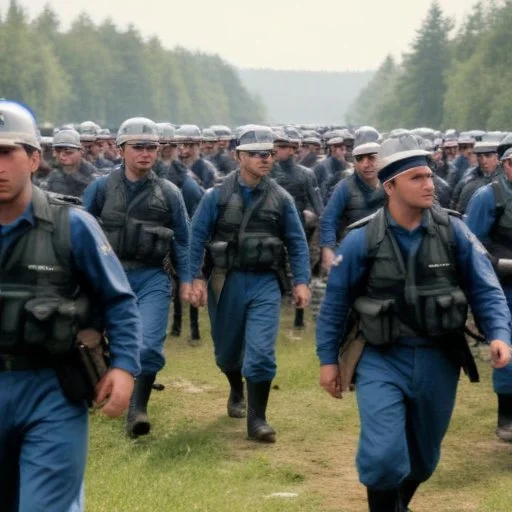
The Srebrenica massacre was a culmination of the Yugoslav Wars, a series of ethnically motivated conflicts that ravaged the former Yugoslavia in the early 1990s. The Bosnian War, a part of the Yugoslav Wars, pitted Bosniaks (Bosnian Muslims), Croats, and Serbs against each other in a complex web of alliances and rivalries.
The Srebrenica massacre has had a lasting impact on Bosnian culture and identity. The tragedy has been commemorated through various forms of art, literature, and music, serving as a testament to the resilience of the Bosnian people.
The Srebrenica massacre has been shrouded in controversy, with many questioning the inaction of the international community and the role of the Dutch peacekeepers. The tragedy has also sparked debates about genocide, war crimes, and the responsibility to protect.
Survivors of the massacre, such as Hasan Nuhanović, have shared heart-wrenching accounts of the brutality they witnessed. Their stories serve as a poignant reminder of the human cost of conflict and the importance of promoting peace and understanding.
The Srebrenica massacre has served as a catalyst for international humanitarian interventions, informing responses to later crises such as the Rwandan genocide and the Syrian Civil War.
The Srebrenica massacre is a stark reminder of the devastating consequences of ethnic conflict and the importance of promoting peace, understanding, and humanitarian intervention. As we reflect on this dark chapter in human history, we must recommit ourselves to protecting human life and preventing such atrocities from occurring again.
Ratko Mladić was born on March 12, 1942, in Kalinovik, Bosnia and Herzegovina. He joined the Yugoslav People's Army (JNA) in 1965 and quickly rose through the ranks, becoming a skilled and ruthless military strategist.
Mladić's early life was marked by tragedy, with his father being killed in a World War II battle. This event would shape his worldview and fuel his desire for revenge against the Muslims and Croats.
Throughout the Yugoslav Wars, Mladić was known for his brutal tactics and unwavering commitment to the Serbian cause. He was instrumental in the siege of Sarajevo and the subsequent massacre at Srebrenica.

The Srebrenica massacre has left an indelible mark on Bosnian culture, manifesting in various forms of art, literature, and music.
"Srebrenica's legacy can be seen in the works of writers like Semezdin Mehmedinović, who documented the horrors of the massacre in his poetry and prose."
The tragedy has also inspired numerous films, documentaries, and testimonies, ensuring that the world never forgets the atrocities committed in Srebrenica.
The Srebrenica massacre was a culmination of centuries-old ethnic tensions and rivalries in the Balkans, exacerbated by the dissolution of Yugoslavia.
The Bosnian War was a complex web of alliances and rivalries, with the Bosniaks, Croats, and Serbs vying for power and territory.
The international community's inaction in the face of this tragedy has been widely criticized, highlighting the need for more effective humanitarian interventions in the face of ethnic conflict.
The Srebrenica massacre has sparked intense historiographical debates, with various interpretations of the events leading up to and during the tragedy.
Some historians have pointed to the failures of the international community, while others have highlighted the role of individual actors like General Mladić.
A nuanced understanding of the massacre requires a critical examination of the various narratives and perspectives surrounding this dark chapter in human history.
The Srebrenica massacre serves as a powerful teaching tool, allowing educators to explore complex themes like ethnic conflict, genocide, and humanitarian intervention.
By incorporating survivor testimonies and primary sources into curricula, educators can foster empathy and promote critical thinking about this pivotal event.
As we strive to prevent similar atrocities from occurring, integrating the lessons of Srebrenica into our educational frameworks is crucial.