


Happy Nowruz, everyone! This isn't just the Persian New Year; it's a celebration of spring, renewal, and all things fresh and fabulous. As the world blooms, so do our spirits. People clean their homes, feast on delicious food, and jump over fires for good luck. It's like spring cleaning, but with more dancing! So join in the festivities, whether you’re embracing age-old traditions or just enjoying the feeling of renewal in the air. Here’s to new beginnings and a season full of growth and joy.
 Carlos Hernandez
- (updated: March 19th, 2025 at 9:55AM)
Carlos Hernandez
- (updated: March 19th, 2025 at 9:55AM)
The International Day of Nowruz is a vibrant and ancient holiday that celebrates the arrival of spring and new beginnings, observed by over 300 million people around the world. This time-honored tradition brings families and friends together to share delicious traditional foods, exchange gifts, and rejoice in the spirit of renewal and rejuvenation.
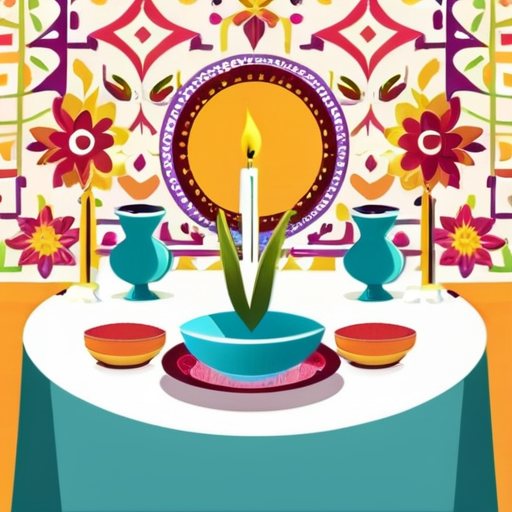
Central to the Nowruz celebrations is the symbolic Haft-Seen table, which features seven items beginning with the letter "S" or "Seen" in Persian, each representing renewal, growth, and good fortune. These items include sabzeh (wheat or barley sprouts), samanu (sweet paste), sekkeh (coins), sharab (vinegar), somaq (sumac), siyah (black tea), and senjed (dried fruit of the lotus tree). This elaborate table setting serves as a testament to the rich cultural heritage and traditions associated with Nowruz.
With roots tracing back over 3,000 years, Nowruz is an ancient spring equinox celebration that originated within the Persian Empire. It is believed to have been founded by the mythical king Jamshid, who is said to have vanquished the dark forces of winter, bringing light and warmth to the world. Today, Nowruz is celebrated in various countries, including Iran, Afghanistan, Tajikistan, and parts of Central Asia.
Nowruz marks the beginning of the new solar year and is often referred to as the "Persian New Year." It serves as a time for reflection, renewal, and rejuvenation, as people gather to bid farewell to the old and welcome the new. This festive occasion is characterized by traditional ceremonies, music, dance, and feasting, all of which contribute to the vibrant atmosphere surrounding Nowruz celebrations.
An integral part of the Nowruz celebrations involves "khaneh takani," a traditional spring cleaning ritual. This ancient practice is intended to sweep away the old and make room for the new, symbolizing the renewal and rejuvenation that Nowruz embodies. Homes are meticulously cleaned, and old items are discarded, paving the way for the arrival of spring and the new solar year.
In 2010, the United Nations General Assembly recognized March 21 as the International Day of Nowruz, acknowledging the holiday's rich cultural heritage and significance. This recognition has further solidified Nowruz as a symbol of cultural diversity and exchange between nations.
Today, the International Day of Nowruz is celebrated globally, promoting cross-cultural understanding and cooperation. It serves as a powerful reminder of the importance of preserving cultural traditions and promoting peace, tolerance, and mutual respect among nations.
In conclusion, the International Day of Nowruz is a joyous celebration that embodies the values of renewal, growth, and good fortune. As people come together to share in the spirit of Nowruz, they are reminded of the importance of preserving cultural heritage and promoting cross-cultural understanding.
As we celebrate this vibrant and ancient holiday, we are also reminded of the beauty and diversity of human culture, underscoring the necessity of preserving our rich cultural heritage for future generations. The celebration not only marks the arrival of spring but also highlights the enduring human spirit and the universal quest for renewal and growth.
In a world that often feels divided, Nowruz offers a beacon of hope and unity. It invites us to embrace change, cherish our traditions, and recognize the interconnectedness of all cultures. As we set our Haft-Seen tables and partake in the festivities, we are participating in a global tapestry of tradition that stretches across borders and generations, enriching our lives and connecting us with others in a shared celebration of life’s perpetual cycle of renewal.
World Day for Cultural Diversity, May 21, 2025: Embrace the rich tapestry of cultures, traditions, and values that define us, fostering understanding more >>
World Pasta Day, October 25, 2024: Join the global pasta enthusiasts' community sharing favorite recipes, cooking techniques, and stories, honoring thmore >>
World Pizza Makers Day, October 25, 2024, honors skilled pizza makers, their art, and the joy they bring.more >>
World Religion Day: Celebrate interfaith understanding, unity, and harmony on 1/21/2024, fostering a spirit of mutual respect and cooperation.more >>
Indulge in this sweet celebration, dedicated to the rich, indulgent treat that's taken the world by storm! With its sticky, gooey caramel sauce and momore >>