


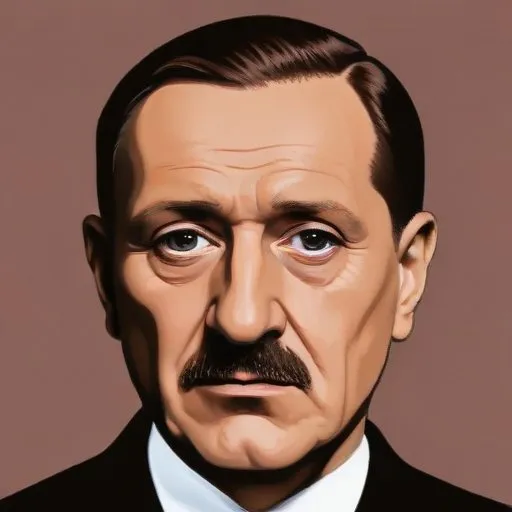
A popular Polish actor, comedian, and singer who starred in numerous films and stage productions, particularly in the interwar period, entertaining audiences with his wit and charm.
Known as the most popular Polish comic actor of the 1930s, Adolf Dymsza is a household name in Poland, synonymous with laughter and entertainment. With a career spanning over four decades, he conquered the hearts of audiences with his natural juvenile wit and temperamental performances of Warsaw street types.
Born Adolf Bagiski on 7 April 1900 in Warsaw, Russian Empire, Dymsza's early life was marked by humble beginnings. His parents, Adolf Sr. and Matylda nee Podkiewicz, instilled in him a love for the performing arts. At the age of 15, he worked as a busboy in some of Warsaw's cabarets, eventually graduating from a local II Gymnasium and then studying at the Hipolit Wawelbergs Trade School.
Dymsza's debut came in 1925, when he was hired by the famous Qui Pro Quo cabaret as a singer and dancer. His performances were an instant hit, and he remained part of Qui Pro Quo's crew until 1931. During this period, he shared the stage with stars of contemporary Polish cabaret and cinema, including Marian Hemar, Eugeniusz Bodo, and Hanka Ordonwna.
Although initially rare on screen, Dymsza's film career eventually took off, with him starring in numerous productions before World War II. His on-screen presence was undeniable, and he became known for his comedic timing and charisma. As Andrzej Wajda once remarked, "For me, Dymsza and Bodo were symbols of pre-war Polish cinema in general."
After World War II, Dymsza continued to act, remaining a beloved figure in Polish cinema. His legacy as the "King of Polish Film Comedy" has endured, and he continues to inspire generations of comedians and actors. To this day, he remains one of the most iconic figures in Polish entertainment, and his impact on the country's cultural heritage is immeasurable.
Dymsza's comedic style was characterized by his ability to observe and reflect the everyday lives of Warsaw's working class. His performances were rooted in authenticity, and he drew inspiration from the city's streets and characters. This approach added a layer of depth to his comedy, making it relatable and endearing to audiences.
Dymsza's personal life was marked by a strong connection to his roots. He was proud of his Warsaw heritage and often drew inspiration from the city's culture and traditions. Throughout his life, he remained humble and dedicated to his craft, earning the respect and admiration of his peers and audiences alike.
Dymsza's impact on modern society extends beyond the realm of entertainment. His comedy often touched on social issues, providing a commentary on the lives of ordinary people. His legacy continues to inspire new generations of comedians, actors, and writers, ensuring that his influence is felt long after his passing in 1975.
In conclusion, Adolf Dymsza's life and legacy are a testament to the power of comedy and entertainment. His impact on Polish cinema and culture is immeasurable, and his memory continues to inspire and delight audiences to this day.
Born in 1911
A Polish pianist and composer who survived the Nazi occupation of Warsaw and wrote a memoir about his experiences, which was later adapted into an award-winning film. He's most known for his incredible story of survival and hope during WWII.
Born in 1883
A renowned Polish actor and producer, known for his contributions to the development of Polish theater and cinema, starring in numerous films and plays.
