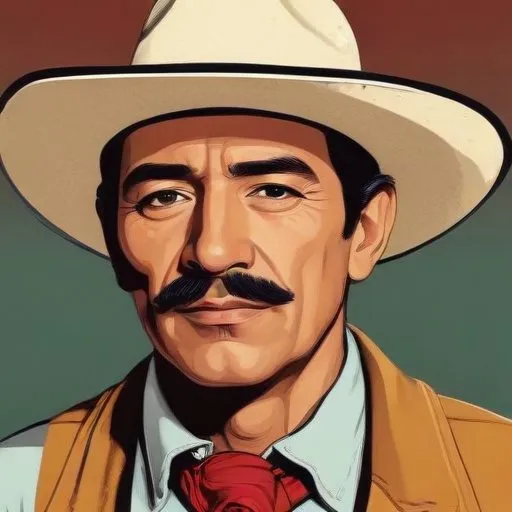
Adolfo Camarillo: The Visionary Ranchero and Philanthropist
A Legendary Figure in California's History
Adolfo Camarillo is renowned for founding the city of Camarillo, California, alongside his brother Juan Camarillo Jr. This prominent Californio philanthropist, ranchero, and horse breeder left an indelible mark on the state's history, earning him a special place in the hearts of Californians.
The Early Years and Education
Born on October 29, 1864, Adolfo Camarillo was the youngest of five siblings to Juan and Martina Camarillo. His family's legacy began with the acquisition of Rancho Calleguas, one of the last remaining Mexican land grants, in 1875. Adolfo's educational pursuits took him to the International Business College at Woodbury University in Los Angeles, where he graduated in 1885.
A Ranching Legacy
Upon his father's passing, 16-year-old Adolfo took the reins of the family ranch, which would eventually grow into the city of Camarillo. He managed the ranch alongside his brother Juan Jr. until his mother's passing, after which they inherited the vast 10,000-acre property. Adolfo's vision and innovative spirit transformed the ranch into a thriving agricultural hub, diversifying its operations to include crops like lima beans, barley, corn, alfalfa, walnuts, and citrus.
A Love for Horses and Community
Adolfo's passion for horses led him to develop a stable of pure white horses, which often participated in California parades. His love for fiestas, rodeos, and barbecues brought the community together, fostering a sense of camaraderie and joy.
Philanthropic Contributions
Adolfo Camarillo's generosity extended beyond his family and community. He donated land for the establishment of Adolfo Camarillo High School, a testament to his commitment to education. In recognition of his philanthropic efforts,
Pope Pius XII honored him as a Knight of St. Gregory the Great in 1950.
Personal Life and Legacy
Adolfo married Isabella Menchaca in 1888, and together they raised seven children. His remarkable life came full circle when he passed away on December 10, 1958, leaving behind a legacy that continues to inspire generations.
Interesting Facts and Trivia
- The Camarillo White Horse breed, developed by Adolfo, remains a testament to his innovative spirit and love for horses.
- Adolfo's ranch, Camarillo Ranch, is now a historic site and museum, offering a glimpse into California's rich history.
- He was a pioneer in introducing new crops to California, contributing significantly to the state's agricultural growth.
Adolfo Camarillo's remarkable life serves as a testament to the power of vision, innovation, and philanthropy. His legacy continues to inspire Californians and beyond, ensuring his memory remains etched in the annals of history.
FAQ
What was Adolfo Camarillos contribution to Californias ranching industry?
Adolfo Camarillo was a Mexican-American rancher and philanthropist who pioneered the ranching industry in California. He developed innovative farming techniques and introduced new crops to the region.
What is the Camarillo Ranch House, and what is its significance?
The Camarillo Ranch House is a historic ranch house built by Adolfo Camarillo in 1892. It is now a museum and event venue that showcases the regions agricultural history and Camarillos legacy.
How did Adolfo Camarillo support education and healthcare in his community?
Adolfo Camarillo was a generous philanthropist who supported local education and healthcare initiatives. He donated land for schools and hospitals, and provided financial support to students and medical research.
What is Adolfo Camarillos legacy in Ventura County?
Adolfo Camarillo is remembered as a pioneer and leader in Ventura Countys agricultural and business communities. He is celebrated for his entrepreneurial spirit, innovative farming practices, and philanthropic generosity.
How did Adolfo Camarillos heritage influence his business and philanthropy?
Adolfo Camarillos Mexican-American heritage shaped his business and philanthropic endeavors. He drew on his cultural roots to develop innovative farming practices, and his philanthropy reflected his commitment to supporting his community.