


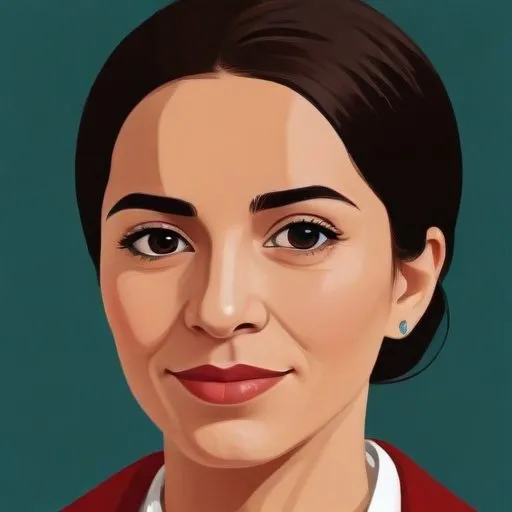
A renowned Portuguese writer, celebrated for her innovative and poetic storytelling, exploring themes of identity, history, and human relationships.
Agustina Bessa-Luís, a renowned Portuguese writer, is best known for her captivating novels that have been adapted into films by esteemed directors such as Manoel de Oliveira and João Botelho. Her works, including Fanny Owen, Francisca, and Abrahams Valley, have left an indelible mark on the literary world.
Born on October 15, 1922, in Porto, Portugal, Agustina Bessa-Luís demonstrated a fervent passion for writing from a young age. She pursued her love for literature, eventually becoming the director of the daily newspaper O Primeiro de Janeiro in Porto from 1986 to 1987. Her subsequent roles included directing the D. Maria II National Theatre in Lisbon from 1990 to 1993.
Bessa-Luís's literary repertoire comprises an impressive array of novels, plays, and essays that have garnered critical acclaim. Her unique writing style, which often explores the complexities of human relationships and the nuances of Portuguese culture, has earned her a devoted following. Some of her notable works include:
Agustina Bessa-Luís's contributions to Portuguese literature have been recognized and celebrated through various awards and honors. In 2004, she was awarded the prestigious Cames Prize for her outstanding literary achievements.
Bessa-Luís's literary legacy extends beyond her own works, as she has inspired a new generation of Portuguese writers and intellectuals. Her contributions to the cultural fabric of Portugal have been immense, and her influence can be seen in various aspects of Portuguese society, from literature to cinema.
As we reflect on the life and works of Agustina Bessa-Luís, we are reminded of the profound impact she has had on Portuguese literature and culture. Her dedication to her craft, her unique writing style, and her unwavering commitment to exploring the human experience have cemented her place as a literary icon in Portugal and beyond.
Born in 1922
A Portuguese novelist and Nobel laureate in Literature, known for his imaginative and often provocative works that blend elements of fantasy and realism to explore themes of politics, history, and human nature.
Born in 1924
A Portuguese historian, lawyer, and politician who served as the 17th President of Portugal, known for leading the country's transition from authoritarianism to democracy. He played a key role in Portugal's decolonization and European integration.
Born in 1902
A Portuguese journalist who covered several international conflicts, including the Portuguese Colonial War and the Carnation Revolution, providing firsthand reports from the front lines.
Born in 1799
A prominent 19th-century Portuguese writer and playwright who helped shape the country's Romantic movement with his influential works, including poetry, novels, and theater pieces.
