


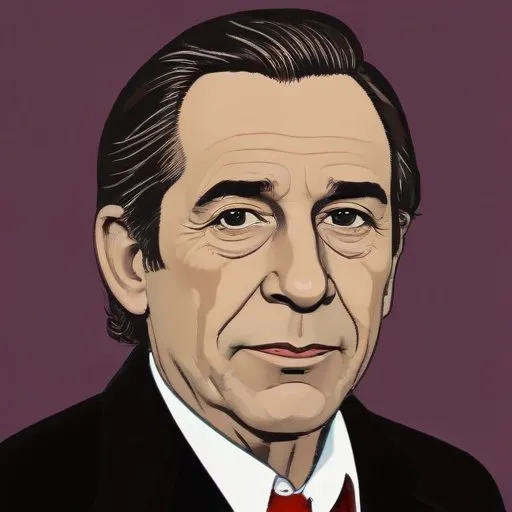
A prolific lyricist behind many iconic songs of the 1920s-1930s, including "Lullaby of Broadway" and "42nd Street", known for his witty, clever, and catchy phrases.
Al Dubin, an American lyricist, is renowned for his collaborations with composer Harry Warren, producing iconic hits that continue to resonate with audiences today. Born on June 10, 1891, in Zurich, Switzerland, Dubin's contributions to the world of music are a testament to his creative genius and perseverance.
Dubin's journey in the world of music began at a young age. As a teenager, he would often skip school to attend Broadway musical shows in New York City. This early fascination led him to write special material for vaudeville entertainers, including his first published song, "Oh, You, Mister Moon," in 1911. Dubin's partnership with composer Joe Burke resulted in the Villanova University Anthem, further solidifying his presence in the music industry.
In 1917, Dubin was drafted into the US Army, where he served as a private in the 305th Field Artillery of the 77th Division. During his time in the service, he co-wrote the song "They Didn't Think We'd Do it, But We Did" with Fred Rath, showcasing his ability to find inspiration in adversity.
Dubin's big break came in the 1920s, when he collaborated with composer Harry Warren on a string of hit songs, including "Tiptoe Through the Tulips" and "Young and Healthy." He married Broadway singer Helen McClay in 1921, and the couple's union lasted until his passing in 1945. Dubin's larger-than-life persona often overshadowed his struggles with addiction, but his legacy as a lyricist remains unparalleled.
Al Dubin's contributions to American popular music are undeniable. His collaborations with Harry Warren produced some of the most iconic songs of the 20th century, with many still being performed today. Dubin's legacy extends beyond his music, as he paved the way for future generations of lyricists and composers.
Al Dubin was inducted into the Songwriters Hall of Fame in 1970, a posthumous recognition of his significant contributions to the world of music.
Dubin's music often reflected his belief in the power of hope and perseverance. His lyrics often conveyed a sense of optimism, encouraging listeners to overcome adversity and find joy in life's simple pleasures.
Al Dubin's life and legacy serve as a testament to the transformative power of music, inspiring generations of artists and audiences alike. His timeless classics continue to captivate us, reminding us of the importance of creativity, passion, and perseverance.
Born in 1893
Academy Award-winning composer of iconic movie songs, including "Lullaby of Broadway" and "Chattanooga Choo Choo", with a legacy in Hollywood's Golden Age.
Born in 1886
A legendary performer who charmed audiences with his powerful voice and charismatic stage presence, starring in the first "talkie" film, The Jazz Singer, and popularizing jazz and blues music.
Born in 1888
A legendary composer and pianist who wrote over 1,500 songs, including iconic American standards like "God Bless America" and "White Christmas", shaping the Great American Songbook.
Born in 1885
Pioneering composer of musical theater, crafting iconic songs and scores that blended jazz, opera, and popular music, shaping the American musical landscape.
Born in 1898
A renowned pianist and composer who blended jazz and classical music to create iconic works like "Rhapsody in Blue" and "An American in Paris", leaving a lasting impact on American music.
Born in 1896
Prolific lyricist behind iconic American standards, crafting witty, poetic words for brother George's melodies, shaping the Great American Songbook.
Born in 1891
A legendary composer and songwriter behind timeless Broadway shows and Hollywood musicals, crafting witty, sophisticated, and romantic songs that have become jazz standards.
Born in 1902
Pioneering creator of iconic American musicals, blending music, dance, and drama to craft timeless classics like Oklahoma! and The Sound of Music.
