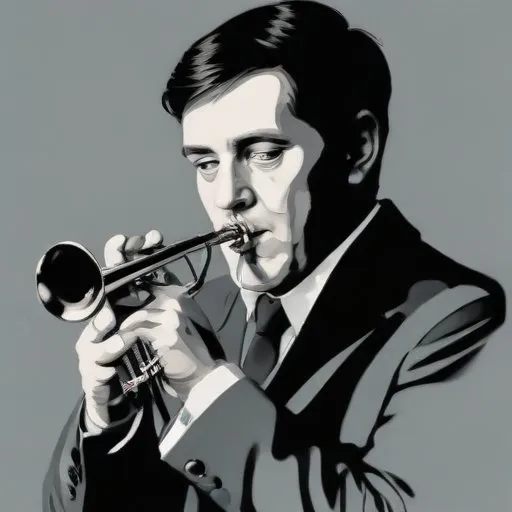
Alan Elsdon: The Legendary English Jazz Trumpeter
A Lifetime of Music and Contribution
Alan Elsdon, born on October 15, 1934, was a renowned English jazz trumpeter and flugelhornist, celebrated for his exceptional skill and extensive contribution to the jazz scene. With a career spanning over five decades, Elsdon left an indelible mark on the music world, earning recognition as one of the most esteemed jazz musicians of his time.
Early Life and Career
Born in London, Elsdon began his musical journey under the guidance of Tommy McQuater, studying trumpet at a young age. His early professional endeavors included stints with notable bands, such as Cy Laurie's and Graham Stewart's Graham Stewart Seven, as well as a brief period with a Royal Air Force band.
Rise to Prominence
Elsdon's breakthrough came in the 1960s, when he led his own band, performing alongside jazz legends like Edmond Hall, Albert Nicholas, Wingy Manone, and
Howlin' Wolf. This period saw him make appearances on television shows, including "All That Jazz," cementing his reputation as a master trumpeter.
Collaborations and Discography
Throughout his career, Elsdon collaborated with numerous renowned musicians, including Keith Nichols, with whom he played in the Midnite Follies Orchestra from 1978 to 1985. His discography includes notable albums such as "Jazz Journeymen" (Black Lion, 1977), "Dixieland Favourites" (EMI/Hamlyn, 1970), and "Alan Elsdon Presents..." (Columbia UK, 1964).
Educational Contributions
Elsdon was not only a performer but also an educator, dedicating himself to sharing his knowledge and passion for jazz with future generations. His contributions to jazz education have had a lasting impact on the genre.
Legacy and Impact
Alan Elsdon's legacy extends beyond his impressive discography and performances. He was an influential figure in the jazz community, inspiring countless musicians and leaving an indelible mark on the genre. His dedication to jazz education has ensured the continuation of his legacy, as his teachings continue to shape the sound of modern jazz.
A Life Well-Lived
Elsdon's remarkable life came to a close on May 2, 2016, but his music and spirit continue to resonate with audiences worldwide. As a testament to his enduring impact, Elsdon's legacy will forever be remembered as a beacon of excellence in the world of jazz.
- Notable Performances:
- Terry Lightfoot's band (1959-1961)
- Edmond Hall, Albert Nicholas, Wingy Manone, and Howlin' Wolf (1960s)
- Keith Nichols' Midnite Follies Orchestra (1978-1985)
- Awards and Honors:
- No specific awards mentioned, but his contributions to jazz education and his performances have earned him recognition within the jazz community.
Alan Elsdon's life was a testament to his passion for jazz, and his legacy continues to inspire and educate new generations of musicians and enthusiasts alike.
FAQ
What is Alan Elsdons most famous contribution to jazz music?
Alan Elsdon is best known for his work as a trumpet player and bandleader in the British jazz scene. He was a key figure in the development of modern jazz in the UK.
How did Alan Elsdon get started in music?
Elsdon began playing the trumpet at a young age, inspired by his love of jazz and swing music. He went on to study at the Royal College of Music and began his professional career in the 1950s.
What awards did Alan Elsdon receive for his music?
Elsdon received numerous awards and accolades for his contributions to jazz, including the BBC Jazz Award for Lifetime Achievement.
Who did Alan Elsdon collaborate with in his career?
Elsdon collaborated with a range of esteemed musicians, including Ronnie Scott, Tubby Hayes, and John Dankworth. He was known for his versatility and ability to work with musicians from a variety of genres.
How has Alan Elsdon influenced British jazz?
Elsdons contributions to British jazz have been profound, inspiring future generations of musicians and helping to shape the countrys jazz landscape.