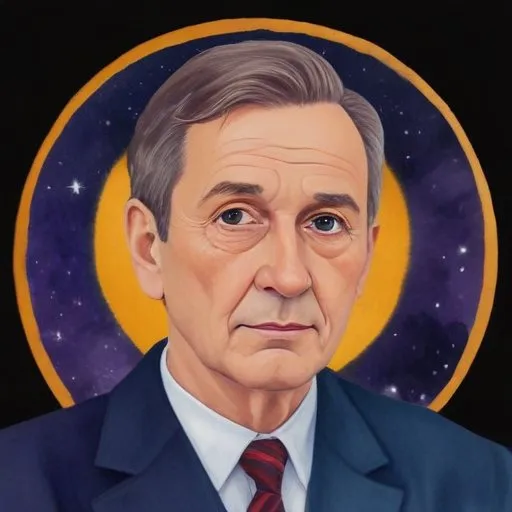
Alan Leo: The Father of Modern Astrology
A Visionary Astrologer and Theosophist
Alan Leo, born William Frederick Allan, is widely regarded as the father of modern astrology, credited with reviving the practice in the Western world after its decline in the 17th century. Through his extensive writings, lectures, and innovative approaches, Leo pioneered a new era of astrological thought, intertwining Theosophical concepts with astrological techniques.
Early Life and Theosophical Influences
Born on August 7, 1860, in Westminster, England, Leo's fascination with the mysteries of the universe began at an early age. His early exposure to Theosophy, a spiritual movement founded by
Helena Blavatsky and Henry Steel Olcott, profoundly shaped his astrological views. Theosophical ideas, such as karma and reincarnation, would later become integral to his astrological frameworks.
Astrological Innovations and Techniques
Leo's revolutionary approach to astrology focused on character analysis and psychological insights, rather than predictive forecasting. He advocated for a looser, more interpretative approach to horoscope analysis, allowing for a deeper understanding of individual personalities and potential. This shift in focus led to a greater emphasis on self-awareness and personal growth.
The Astrological Lodge of London and International Connections
In 1890, Leo co-founded the Hermetic Lodge in Brixton, South London, a hub for occult studies and esoteric knowledge. Through his connections with the Theosophical Society, Leo's work reached a global audience, transcending borders and inspiring a new generation of astrologers.
Indian Astrology and the Art of Synthesis
Leo's travels to India in 1909 and 1911 exposed him to the rich traditions of Indian astrology. He incorporated elements of this approach into his Western astrological framework, resulting in his seminal work,
The Art of Synthesis (1912). This influential book not only showcased Leo's unique synthesis of Eastern and Western astrological thought but also inspired renowned composer
Gustav Holst's iconic work,
The Planets.
Personal Milestones and Key Life Events
* 1860: Born William Frederick Allan on August 7th in Westminster, England
* 1890: Co-founded the Hermetic Lodge in Brixton, South London
* 1909 and 1911: Traveled to India to study Indian astrology
* 1912: Published
The Art of Synthesis
* 1915: Founded the Astrological Lodge of London
Philosophical Contributions and Beliefs
Leo's astrological philosophy was deeply rooted in Theosophical principles, emphasizing the interconnectedness of all things and the concept of karma. He believed that astrology could be a powerful tool for personal growth, self-awareness, and spiritual evolution.
Influence on Modern Society
Alan Leo's work has had a profound impact on modern astrology, shaping the discipline into what it is today. His emphasis on psychological insights and character analysis paved the way for contemporary astrological approaches. His legacy continues to inspire new generations of astrologers, ensuring his place as one of the most influential figures in the history of astrology.
Quotes and Memorable Sayings
* "Astrology is the science of the soul, and is, in fact, the oldest and most sacred of all sciences."
* "The aim of astrology is not to predict events, but to induce a knowledge of the soul."
A Lasting Legacy
Alan Leo's remarkable life and work continue to inspire and educate those drawn to the mystical realms of astrology. As we reflect on his remarkable journey, we are reminded of the boundless potential of the human spirit and the power of innovative thinking to shape the future.