


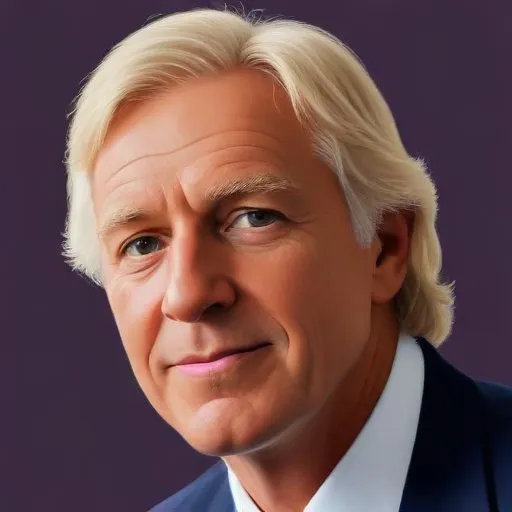
Renowned Australian cricketer and sportscaster, known for his iconic commentary style and coverage of international cricket matches, entertaining audiences for decades.
Alan McGilvray is synonymous with Australian cricket, having served as the country's most iconic and beloved cricket commentator for over five decades. His distinctive voice and captivating commentary style have become an integral part of the nation's cricketing heritage, earning him the title of doyen of Australian cricket commentators.
McGilvray was born on December 6, 1909, in Paddington, Sydney, to Thomas McGilvray, a Scottish-born shoe warehouse owner. Growing up in a cricket-loving family, McGilvray developed a passion for the game from an early age, playing cricket with his father and brother in the backyard.
McGilvray's cricketing prowess earned him a place in the New South Wales team, which he captained during the 1935-1936 and 1936-1937 seasons. Although his playing career was cut short, he went on to make an indelible mark on the sport as a commentator.
McGilvray's radio commentary career spanned an impressive 50 years, commencing in the early 1930s. In an era where live broadcasts were not possible, McGilvray pioneered the art of synthetic cricket broadcasting, using telegraph cables, sound effects, and commentary to recreate the excitement of the game for listeners.
As technology improved, McGilvray's commentary style evolved, becoming synonymous with Australian cricket. His distinctive voice, poetic descriptions, and ability to paint vivid pictures with words captivated audiences, making him an integral part of the game.
McGilvray's contributions to Australian cricket are immeasurable. He called every Test match in Australia from World War II until his retirement in 1985, providing commentary for some of the most iconic moments in Australian cricket history.
McGilvray's legacy extends beyond his commentary career. He has inspired generations of cricket enthusiasts, and his contributions have helped shape the fabric of Australian cricket culture.
McGilvray's outstanding contributions to Australian cricket were recognized with numerous awards and honors, including the Australian Cricket Board's Centenary Medal in 1977 and the Order of the British Empire (OBE) in 1980.
McGilvray's personal life was marked by milestones that reflect his passion for cricket and his commitment to his craft. He married his wife, Edna, in 1936, and they had two children together.
In his later years, McGilvray continued to contribute to the cricket community, penning his autobiography, McGilvray: The Game is Not the Same, in 1983.
Alan McGilvray's legacy continues to reverberate through Australian cricket. His contributions have inspired generations of cricket enthusiasts, commentators, and players, cementing his place as an icon of the sport.
McGilvray's impact on Australian cricket is undeniable, and his legacy will continue to be celebrated for generations to come.
Born in 1908
A cricket legend and iconic figure in Australian sports, renowned for his incredible batting skills and unbeaten record, earning him the nickname "The Don".
Born in 1877
A pioneering batsman and charismatic figure in early 20th-century cricket, known for his aggressive playing style and iconic photography capturing his dynamic movements.
Born in 1879
A dominant all-rounder and captain of the Australian cricket team, known for his aggressive batting style and innovative tactics that transformed the game. He was also a respected journalist, writing for several newspapers and magazines.
Born in 1897
Australian cricket team's 14th captain, leading the team to victory in the 1932-33 Ashes series, and a respected educator who served as a school principal.
Born in 1891
A pioneering leg-spinner who took 216 wickets in 37 Tests, known for his unorthodox style and ability to spin the ball both ways. He is considered one of the greatest bowlers in cricket history.
Born in 1882
Australian left-arm spinner who took 74 wickets in 14 Tests, known for his unorthodox bowling action and ability to extract turn from even the most docile pitches.
Born in 1900
Australian sports legend who dominated cricket with record-breaking batting averages and also excelled in baseball, earning him a place in the Australian Cricket Hall of Fame.
