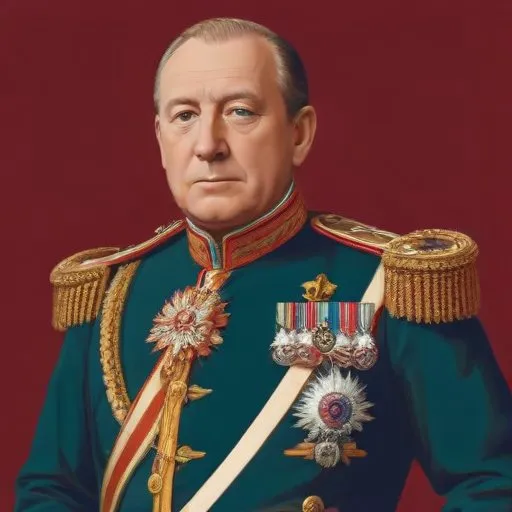
Albert II, Duke of Brunswick-Grubenhagen: A Renaissance Ruler of Wisdom and Vigor
Early Life and Accession
Albert II, Duke of Brunswick-Grubenhagen, is renowned for his remarkable reign, spanning from 1440 to 1485, during which he successfully navigated the treacherous landscape of medieval politics and displayed exceptional leadership skills. Born on 1 November 1419, as the third son of Duke Eric I and Elizabeth of Brunswick-Göttingen,
Albert II was destined for greatness.
Joint Rule and Conflicts
Following the Grubenhagen tradition, Albert II, along with his brothers Henry III and Ernest II, ruled jointly from 1440 until Henry's death in 1464. The brothers' harmonious relationship enabled them to maintain peace and stability in their domains. However, Albert II's later years were marked by a series of conflicts, including the dispute with Duke William IV the Younger of Göttingen in 1477. The quarrel culminated in the citizens of Einbeck engaging in an ill-fated battle, resulting in significant casualties and the capture of over 800 citizens. The conflict was eventually resolved on 5 December 1479, with the city of Einbeck agreeing to pay a ransom of 30,000 guilders and accept William's protection.
Division of Territory and Family Matters
With Henry IV coming of age in 1479, Albert II agreed to a division of their territory. Albert retained control over Herzberg Castle and Osterode Castle, while Henry received Heldenburg Castle. The towns of Einbeck and Osterode were ruled jointly by the uncle and nephew. Albert's personal life was marked by his marriage to Elizabeth, daughter of Count Wolrad I of Waldeck, with whom he had three sons and a daughter, Sophie, who tragically passed away at the age of six.
Legacy and Historical Context
Albert II's reign was characterized by his ability to navigate the complex web of alliances and rivalries that defined medieval politics. His leadership skills, wisdom, and strategic thinking allowed him to maintain peace and stability in his domains, ensuring the continued prosperity of his people. As a member of the powerful Brunswick-Grubenhagen dynasty, Albert II played a significant role in shaping the course of European history during the 15th century.
Personal Achievements and Milestones
- Successfully navigated complex medieval politics and maintained peace in his domains
- Displayed exceptional leadership skills and strategic thinking
- Played a significant role in shaping European history during the 15th century
- Ruled jointly with his brothers, maintaining harmony and stability
- Resolved conflicts through diplomacy, ensuring the continued prosperity of his people
Impact on Modern Society
Albert II's legacy extends beyond the realm of medieval politics. His leadership skills, wisdom, and strategic thinking serve as an inspiration to modern-day leaders and politicians. His ability to navigate complex conflicts and maintain peace in his domains offers valuable insights into the art of diplomacy and statecraft. As a testament to his enduring impact, Albert II remains an important figure in European history, with his legacy continuing to influence contemporary politics and diplomacy.
FAQ
What was the rule of Albert II, Duke of Brunswick-Grubenhagen like?
Albert II, Duke of Brunswick-Grubenhagen ruled from 1383 to 1411 and was known for his military campaigns and territorial expansions. During his reign, he also promoted trade and commerce in his duchy.
What were the military achievements of Albert II, Duke of Brunswick-Grubenhagen?
Albert II, Duke of Brunswick-Grubenhagen was a skilled military leader who fought in several battles, including the Lithuanian Crusade and the War of the Lüneburg Succession. He also played a key role in the suppression of the Peasants Revolt in 1388.
What was the significance of Albert II, Duke of Brunswick-Grubenhagens marriage?
Albert II, Duke of Brunswick-Grubenhagen married Agnes of Brunswick-Lüneburg, which strengthened the alliance between the two duchies and helped to secure the border regions.
What was the legacy of Albert II, Duke of Brunswick-Grubenhagen?
Albert II, Duke of Brunswick-Grubenhagen left a lasting legacy in the region, including the construction of several castles and fortifications, as well as the promotion of trade and commerce.
What were the family ties of Albert II, Duke of Brunswick-Grubenhagen?
Albert II, Duke of Brunswick-Grubenhagen was a member of the House of Welf and had close family ties with other noble families in the region, including the Dukes of Brunswick-Lüneburg.