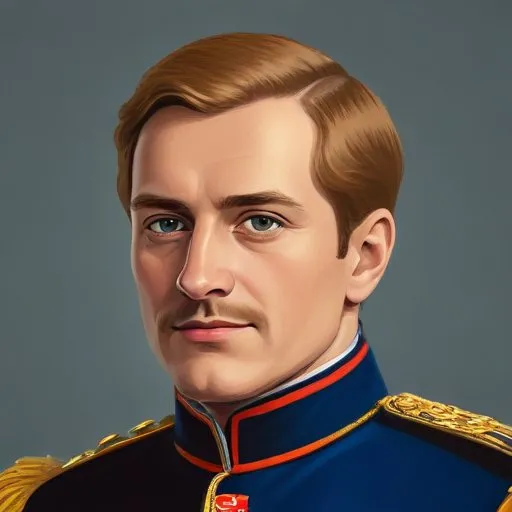
Albert III: The Pious Duke of Bavaria-Munich
A Legacy of Leadership and Controversy
Albert III, also known as the Pious, was a prominent figure in 15th-century Bavaria, ruling as the Duke of Bavaria-Munich from 1438 until his death in 1460. He is remembered for his complexities, marked by episodes of brutality, piety, and astute leadership, which continue to fascinate historians and enthusiasts alike.
Early Life and Marriages
Born on March 27, 1401, Albert was the son of Ernest, Duke of Bavaria, and Elisabetta Visconti, daughter of Bernab Visconti. His early life was marked by a series of engagements and marriages, which would later influence his reign. In 1429, he was betrothed to Elisabeth, daughter of Eberhard III, Count of Württemberg, but she eloped with Count John IV of Werdenberg. This rejection would pale in comparison to the controversy surrounding his subsequent marriage to Agnes Bernauer, a maid from Augsburg, in 1432. The union was kept secret, as Albert's father disapproved of the match. Tragically, Agnes was accused of witchcraft and murdered in 1435, while Albert was away hunting.
Reconciliation and Succession
Following Agnes' death, Albert reconciled with his father and later married Anna of Brunswick-Grubenhagen-Einbeck, with whom he had ten children. Upon his father's death in 1438, Albert succeeded him as Duke of Bavaria-Munich.
Major Works and Achievements
During his reign, Albert oversaw the construction of Blutenburg Castle, a grand hunting lodge between the arms of the River Würm. This impressive architectural feat would later be extended by his son Sigismund. In 1440, he declined the offered Bohemian crown, opting instead to focus on consolidating his power in Bavaria. Albert also took measures to expel the Jewish population from Upper Bavarian territories, a decision that would not be reversed for over 250 years.
Philosophical Contributions and Beliefs
Albert's reign was characterized by a strong sense of piety, reflected in his patronage of the Benedictine monastery in Andechs, which he founded in 1455. This institution would become a hub of learning and spirituality, fostering a deeper understanding of Catholicism in the region.
Historical Context and Legacy
Albert III's life and reign are intricately woven into the complex tapestry of 15th-century Bavarian politics. His policies, though often brutal and controversial, demonstrate a commitment to consolidating power and promoting Catholicism in his territories. As a leader, he embodies the complexities of the era, marked by both progress and regression. Today, Albert III is remembered as a pivotal figure in Bavarian history, his legacy a testament to the enduring power of faith and politics.
Trivia and Fun Facts
- Albert III was known for his love of hunting and built Blutenburg Castle as a grand hunting lodge.
- He was offered the Bohemian crown in 1440 but declined, choosing to focus on his reign in Bavaria-Munich.
- Albert III's second wife, Anna of Brunswick-Grubenhagen-Einbeck, was a member of the powerful Brunswick family.
- He was buried in the Andechs monastery, which he founded in 1455.
Impact on Modern Society
Albert III's reign, though marked by controversy, has had a lasting impact on modern society. His patronage of the Benedictine monastery in Andechs helped establish a center of learning and spirituality, which continues to influence Catholicism in the region. Additionally, his architectural projects, such as Blutenburg Castle, have contributed to the rich cultural heritage of Bavaria.
FAQ
Who was Albert III, Duke of Bavaria?
Albert III, Duke of Bavaria, also known as Albert the Pious, was a member of the House of Wittelsbach and ruled as Duke of Bavaria from 1438 to 1460.
What were Albert IIIs notable achievements?
Albert IIIs notable achievements include his efforts to strengthen the Bavarian state, promote trade and commerce, and support the arts and education.
What was Albert IIIs role in the Council of Basel?
Albert III played a significant role in the Council of Basel, a ecumenical council of the Catholic Church, where he worked to promote church reform and unity.
How did Albert III contribute to Bavarian culture?
Albert III contributed significantly to Bavarian culture, supporting the development of art, literature, and architecture, and promoting the regions unique heritage.
What is Albert IIIs legacy?
Albert IIIs legacy is one of a wise and effective ruler, who worked to promote the well-being of his people and the prosperity of his state.