


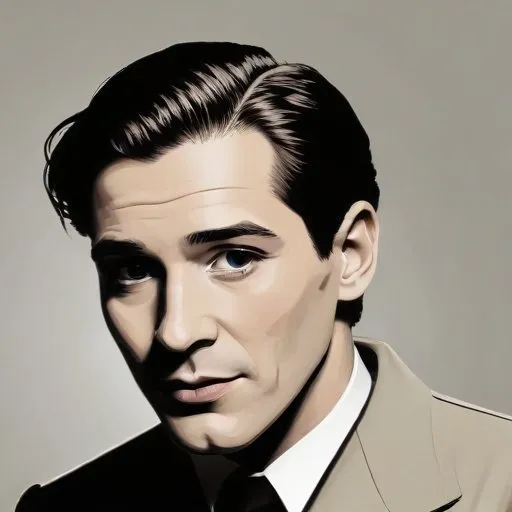
A 19th-century German singer-songwriter and actor, known for his operettas and contributions to the development of German musical theater. His works are still performed today, blending music, comedy, and drama.
Albert Lortzing, a German composer, librettist, actor, and singer, is renowned for his significant contribution to the development of the German Spieloper, a form of opera that originated in Germany. He is considered the main representative of this genre, which is similar to the French opéra comique, and has left an indelible mark on the world of music.
Born on October 23, 1801, in Berlin, Germany, Lortzing was the son of Johann Gottlieb and Charlotte Sophie Lortzing, who were itinerant actors. They founded the Berlin theatre company Urania, which allowed the young Lortzing to be exposed to the world of theatre at a tender age. His first stage appearance was at the age of 12, where he entertained the audience with comic poems during an interval in the Kornhaus at the Freiburg Minster.
Lortzing's career was marked by his versatility and talent. He was an actor, singer, and composer, and his repertoire included a wide range of roles, from youthful lovers to country boys and bon vivants. He was also known for his ability to sing tenor and baritone roles. In 1824, he married the actress Rosina Regine Ahles, with whom he had 11 children.
Lortzing's contribution to the development of German Spieloper is unparalleled. He composed over 60 operas, many of which are still performed today. His music was characterized by its melodic beauty, wit, and humor, which captivated audiences and critics alike. One of his most famous works is the opera "Undine," which premiered in 1845 and is still considered a masterpiece of German Spieloper.
Lortzing's impact on German music and theatre is immense. He was a pioneer of the German Spieloper, and his works paved the way for future generations of composers. His music continues to be performed and celebrated today, and his legacy is testament to his genius and dedication to his craft.
Lortzing was a member of the Freemasons, a popular organization for artists during the Metternich era. He was also known for his strong opinions and was not afraid to speak his mind. In 1826, he joined the Hoftheater in Detmold, where he composed several works, including the oratorio "Die Himmelfahrt Christi" (Christ's Ascension).
These works showcase Lortzing's mastery of the German Spieloper and his ability to craft music that is both entertaining and emotionally resonant.
Albert Lortzing was a true master of his craft, and his contribution to the world of music is immeasurable. His legacy continues to inspire and delight audiences today, and his music remains a testament to his genius and creativity.
Born in 1813
A revolutionary composer who transformed opera with his epic, mythological works, creating a new era of musical storytelling. His iconic operas, such as "Der Ring des Nibelungen," continue to captivate audiences worldwide.
Born in 1809
A renowned 19th-century musician who masterfully blended classical and romantic styles, creating iconic works like the "Wedding March" and "Elijah" oratorio. His compositions continue to inspire and influence generations of artists.
Born in 1813
A renowned composer of iconic operas like La Traviata and Aida, known for his masterful blending of drama and music. His works continue to captivate audiences worldwide.
Born in 1810
A renowned Romantic-era composer and influential music critic, known for his expressive and emotionally charged works, including symphonies, piano music, and art songs.
Born in 1811
A virtuosic pianist and composer who revolutionized classical music with his technically demanding and emotionally expressive works, blending Hungarian folk influences with Romantic-era drama.
Born in 1803
A French Romantic-era mastermind who composed iconic symphonies, operas, and orchestral works, revolutionizing classical music with his bold, expressive style.
Born in 1797
A renowned Italian composer of the Romantic era, best known for his operas, particularly "L'elisir d'amore" and "Don Pasquale", which are still widely performed today.
Born in 1801
Operatic mastermind behind bel canto classics like "Norma" and "La Sonnambula", renowned for their beautiful, expressive melodies and dramatic flair.
