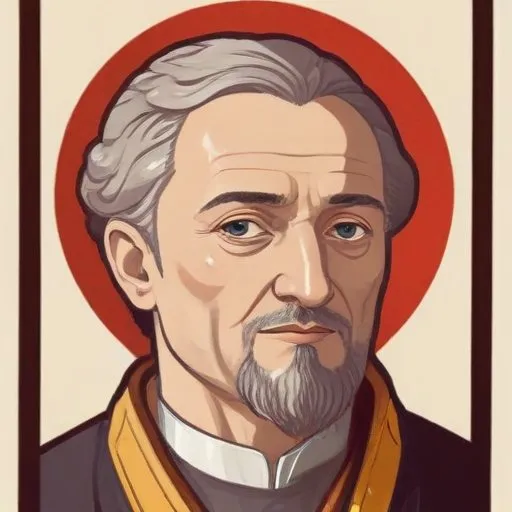
Alexander Potebnja: The Pioneering Linguist and Philosopher
A Champion of Slavic Language and Culture
Alexander Potebnja was a Ukrainian linguist, philosopher, and panslavist who left an indelible mark on the fields of language, consciousness, and Slavic studies. He is renowned for constructing a groundbreaking theory of language and consciousness that later influenced the work of psychologist Lev Vygotsky.
Early Life and Education
Born on September 22, 1831, in the Russian Empire (now Ukraine), Potebnja was part of a noble family of Ukrainian Cossack descent. He received his primary education in a Polish school in Radom and later pursued higher education at the Imperial University of Kharkiv, where he studied law, history, and philology.
Academic Pursuits and Career Highlights
Potebnja's academic journey was marked by significant milestones. He earned his PhD in philology in 1874 and went on to become a professor of linguistics at the Imperial University of Kharkiv. His early work focused on Slavic folk poetry, and he took part in folklore expeditions in Poltava and Okhtyrka counties.
Main Works and Contributions
Potebnja's magnum opus, "Language and Thought" (Russian: Язык и Мышление, 1862), is a seminal work that showcases his theories on language and consciousness. He also published extensively on Russian grammar, the history of sounds in the Russian language, and Slavic folk poetry. One of his notable translations was a fragment of Homer's Odyssey into Ukrainian.
Awards and Honors
Potebnja was a corresponding member of the prestigious St. Petersburg Academy of Sciences, the leading academic institution in the Russian Empire.
Influence on Modern Society and Legacy
Potebnja's work had a profound impact on the development of linguistics, philosophy, and psychology. His theories on language and consciousness influenced the work of
Lev Vygotsky, a prominent psychologist. Potebnja's contributions to Slavic studies and his advocacy for Ukrainian culture continue to inspire scholars and researchers today.
Personal Milestones and Key Life Events
- 1831: Born on September 22 in the Russian Empire (now Ukraine)
- 1856: Graduated from the Imperial University of Kharkiv
- 1861: Defended his master thesis on Slavic folk poetry
- 1862: Published "Language and Thought"
- 1874: Earned his PhD in philology
- 1891: Passed away on December 11
Trivia and Fun Facts
- Potebnja was an active ethnographer and took part in folklore expeditions in Poltava and Okhtyrka counties.
- He was a professor of linguistics at the Imperial University of Kharkiv, where he taught for many years.
FAQ
What was Alexander Potebnjas contribution to the field of linguistics?
Alexander Potebnja made significant contributions to the field of linguistics, particularly in the study of Slavic languages and the development of linguistic theory.
What was Alexander Potebnjas approach to language study?
Alexander Potebnjas approach to language study emphasized the importance of historical and comparative analysis, as well as the study of language in its social and cultural context.
What was Alexander Potebnjas view on the relationship between language and thought?
Alexander Potebnja believed that language and thought are intimately connected, and that the study of language can provide insights into the nature of human thought and cognition.
How did Alexander Potebnjas work influence the development of Ukrainian linguistics?
Alexander Potebnjas work was instrumental in the development of Ukrainian linguistics, providing a foundation for later scholars to build upon and establish Ukrainian as a distinct linguistic discipline.
What was Alexander Potebnjas legacy in Ukrainian intellectual history?
Alexander Potebnjas legacy in Ukrainian intellectual history is that of a pioneering scholar who helped establish Ukrainian as a distinct linguistic and cultural identity.