


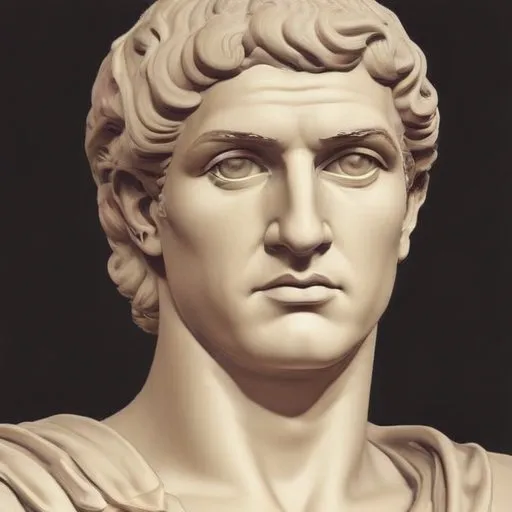
King of Greece from 1917 to 1920, known for his brief reign and tumultuous personal life, including his marriage to Aspasia Manos.
Alexander, the King of Greece from 1917 until his untimely death in 1920, is best known for his sudden ascension to power and his controversial marriage to a commoner, Aspasia Manos. At just 24 years old, Alexander's accession to the throne followed the exile of his father, King Constantine I, and his eldest brother, Crown Prince George, by the Entente Powers and their supporters.
Despite being the monarch, Alexander's authority was largely ceremonial, with Prime Minister Eleftherios Venizelos holding the real power. The young king was effectively a prisoner in his own palace, stripped of his ability to make decisions or shape the country's politics. Venizelos, with the support of the Entente, controlled the government, leaving Alexander to focus on symbolic duties and supporting Greek troops during the war against the Ottoman Empire and Bulgaria.
During Alexander's reign, Greece's territorial extent grew significantly, following the Allied victory in World War I and the early stages of the Greco-Turkish War (1919-1922). Although his role was largely symbolic, Alexander's support for the military efforts boosted national morale and contributed to the expansion of Greece's borders.
In 1919, Alexander married Aspasia Manos, a commoner and a lady-in-waiting to his mother, Queen Sophia. The union sparked a major scandal, forcing the couple to flee Greece for several months. Tragically, Alexander's life was cut short when he died of sepsis at the age of 27, after being bitten by a domestic Barbary macaque.
Alexander's untimely death led to questions about the survival of the monarchy and ultimately contributed to the fall of the Venizelist regime. After a general election and a referendum, his father, King Constantine I, was restored to the throne. Despite his short and tumultuous reign, Alexander left a lasting impact on Greece's territorial expansion and played a symbolic role in the country's war efforts.
Alexander's life and reign were marked by the turbulent backdrop of World War I and the early stages of the Greco-Turkish War. His ascension to power and subsequent marriage were influenced by the political machinations of the time. Today, Alexander is remembered as a symbol of Greece's struggle for independence and territorial expansion during a critical period in its history.
Alexander's story serves as a reminder that even in the face of adversity and limited power, one can still make a lasting impact. His support for the Greek troops and his commitment to the country's expansion are a testament to his dedication to Greece, even in the midst of personal turmoil.
