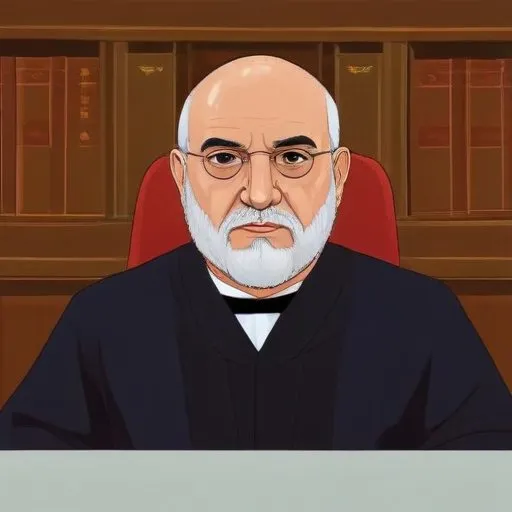
The Visionary Leader: Eleftherios Venizelos
A Champion of Greek National Liberation
Eleftherios Venizelos is revered as the architect of modern Greece, a trailblazing statesman who spearheaded the country's national liberation movement and shaped its destiny. As the prime minister of Greece for over 12 years, spanning eight terms between 1910 and 1933, Venizelos left an indelible mark on the country's politics, economy, and society.
Rise to Prominence
Born on August 23, 1864, in Crete, Venizelos was destined to make a difference. His entry into the international scene began with his significant role in the autonomy of the Cretan State and later in the union of Crete with Greece. In 1909, he was invited to Athens to resolve the political deadlock and became the country's prime minister. This marked the beginning of a new era in Greek politics, with Venizelos at the helm.
Reforms and Modernization
Venizelos initiated a series of constitutional and economic reforms that set the basis for the modernization of Greek society. He reorganized both the Greek Army and the Greek Navy, preparing the country for future conflicts. His diplomatic acumen with the Great Powers and with other Balkan countries enabled Greece to double its area and population with the liberation of Macedonia, Epirus, and most of the Aegean islands.
The Balkan Wars and World War I
Venizelos' catalytic role in the Balkan Wars of 1912-1913 helped Greece gain entrance to the Balkan League, an alliance of the Balkan states against the Ottoman Empire. During World War I, he brought Greece on the side of the Allies, further expanding the Greek borders. However, his pro-Allied foreign policy brought him into conflict with the non-aligned faction of
Constantine I of Greece, causing the National Schism of the 1910s.
Philosophical Contributions and Beliefs
Venizelos was a staunch believer in liberal-democratic policies and always prioritized the interests of the Greek people. He envisioned a united and prosperous Greece, where citizens could enjoy equal opportunities and participate actively in the country's development. His leadership was characterized by a deep understanding of the needs of the people and a commitment to improving their lives.
Awards and Honors
Venizelos received numerous accolades for his contributions to Greece and the world. He was awarded the Grand Cross of the Order of the Redeemer, the highest honor in Greece, and was also honored with the Grand Cross of the Order of
Charles III by King
Alfonso XIII of Spain.
Legacy and Historical Context
Venizelos' legacy is profound and far-reaching. He is often referred to as the "Maker of Modern Greece" and is still widely known as the Ethnarch. His influence on Greek politics, economy, and society has been immense, shaping the country's destiny for generations to come.
Personal Milestones and Key Life Events
- August 23, 1864: Born in Crete, Greece
- 1909: Became the Prime Minister of Greece
- 1910-1933: Served as Prime Minister for over 12 years, spanning eight terms
- 1912-1913: Played a key role in the Balkan Wars
- 1914-1918: Led Greece during World War I
- March 18, 1936: Passed away, leaving behind a legacy of modern Greece
Inspirational Quotes
"The fate of Greece is not to be decided by foreigners, but by Greeks themselves."
"We must not be enslaved by the past, but rather inspired by it to build a better future."
Conclusion
Eleftherios Venizelos was a visionary leader who left an indelible mark on Greek history. His contributions to the country's liberation, modernization, and growth have made him a legendary figure, revered by Greeks and respected by nations worldwide. As we reflect on his life and legacy, we are reminded of the power of visionary leadership and the importance of working towards a common goal – the betterment of humanity.
FAQ
What was Eleftherios Venizelos role in Greek politics?
Eleftherios Venizelos was a prominent Greek politician who served as the 93rd Prime Minister of Greece, playing a crucial role in the countrys modernization and liberalization. He was a key figure in the Greek National Liberation Front and is credited with promoting Greek independence and territorial expansion.
What were Eleftherios Venizelos contributions to Greeces modernization?
Venizelos introduced numerous reforms, including the adoption of the Swiss Civil Code, the establishment of a new electoral system, and the promotion of education and infrastructure development, which helped modernize Greece and bring it closer to European standards.
When did Eleftherios Venizelos serve as Prime Minister of Greece?
Eleftherios Venizelos served as Prime Minister of Greece from 1910 to 1915, and again from 1928 to 1932, with a brief stint in 1917.
What was Eleftherios Venizelos stance on Greeces entry into World War I?
Venizelos was a strong advocate for Greeces entry into World War I on the side of the Allies, which led to his eventual exile and the National Schism in Greece.
What is Eleftherios Venizelos legacy in Greek history?
Eleftherios Venizelos is remembered as one of the most important figures in modern Greek history, known for his vision, leadership, and commitment to Greeces modernization and independence. His legacy continues to be celebrated in Greece today.