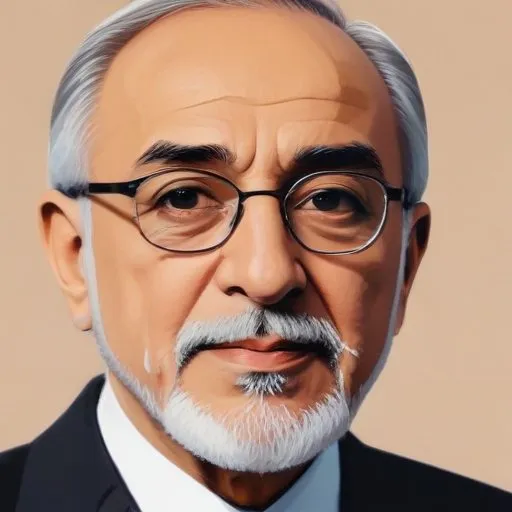
Ali Akbar Salehi: The Iranian Dynamo Shaping the Future of Nuclear Energy
The Visionary Behind Iran's Atomic Energy Program
Ali Akbar Salehi is a name synonymous with Iran's nuclear program, having served as the head of the Atomic Energy Organization of Iran (AEOI) not once, but twice. His illustrious career has been marked by significant milestones, shaping the country's nuclear energy landscape and earning him a reputation as a formidable diplomat and academic.
Early Life and Education: A Strong Foundation
Born on March 24, 1949, in Karbala, Iraq, to Persian parents, Salehi's early life was marked by a strong sense of resilience. His family moved to Iran in 1958, where he faced challenges adapting to a new environment. Despite initial struggles, he went on to excel academically, earning a Bachelor of Science degree in physics from the American University of Beirut in 1971 and a PhD in nuclear engineering from the Massachusetts Institute of Technology in 1977.
Career Highlights: A Trailblazer in Nuclear Energy
Salehi's impressive academic credentials laid the foundation for a distinguished career. He served as:
- The chancellor of Sharif University of Technology
- A member of the Academy of Sciences of Iran
- A member of the International Centre for Theoretical Physics in Italy
AEOI Tenure: Shaping Iran's Nuclear Future
Salehi's tenure as head of AEOI has been marked by significant achievements, including:
- Leading Iran's nuclear program from 2009 to 2010 and again from 2013 to 2021
- Playing a crucial role in Iran's nuclear negotiations with the P5+1 group
- Overseeing the development of Iran's nuclear energy infrastructure
Philosophical Contributions and Beliefs
Salehi is known for his pragmatic approach to nuclear energy, emphasizing the need for cooperation and diplomacy in achieving Iran's nuclear goals. He has consistently advocated for the peaceful use of nuclear energy, while maintaining Iran's right to develop its nuclear program.
Influence on Modern Society
Salehi's contributions to Iran's nuclear program have far-reaching implications for the country's energy security and economic development. His efforts have also contributed to regional and global discussions on nuclear energy and non-proliferation.
Personal Milestones and Key Life Events
Salehi's journey is a testament to perseverance and hard work. From facing challenges as a child in a new environment to rising to prominence in Iran's nuclear establishment, his story serves as an inspiration to many.
Controversies and Public Perception
Salehi's tenure has not been without controversy, with some critics accusing him of being too conciliatory in Iran's nuclear negotiations. However, his commitment to diplomacy and peaceful nuclear development has earned him widespread respect.
Legacy and Impact
Ali Akbar Salehi's legacy is a testament to his tireless efforts to shape Iran's nuclear energy landscape. As a visionary, diplomat, and academic, he has left an indelible mark on the country's development, inspiring future generations of nuclear energy leaders.
FAQ
Who is Ali Akbar Salehi and what is his role in politics?
Ali Akbar Salehi is an Iranian academic and politician, who served as the 36th Foreign Affairs Minister of Iran from 2011 to 2013.
What is Ali Akbar Salehis educational background?
Ali Akbar Salehi has a Ph.D. in nuclear physics from the Massachusetts Institute of Technology (MIT) and has held various academic positions in Iran.
What is Ali Akbar Salehis role in Irans nuclear program?
Ali Akbar Salehi played a key role in Irans nuclear program, serving as the head of the Atomic Energy Organization of Iran from 2009 to 2011 and negotiating with the International Atomic Energy Agency (IAEA).
What is Ali Akbar Salehis stance on international relations?
Ali Akbar Salehi has been a strong advocate for improved international relations, particularly with the West, and has worked to reduce tensions and promote diplomacy.
What awards has Ali Akbar Salehi received?
Ali Akbar Salehi has received several awards, including the Iranian Royal Medal and the MIT Alumni Award, recognizing his contributions to science, diplomacy, and international relations.