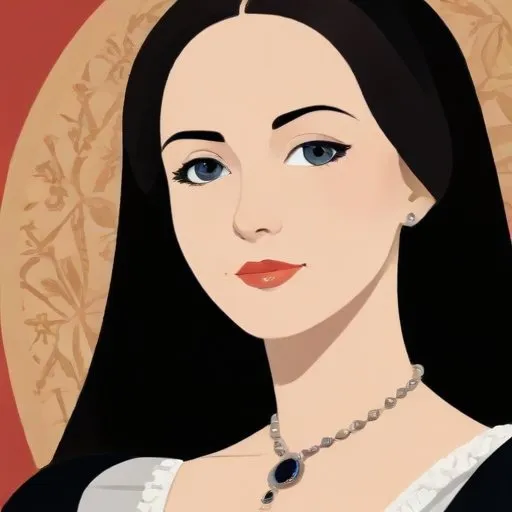
Alice de Lacy, 4th Countess of Lincoln: The Pivotal Heiress of Medieval England
A Life of Inheritance and Great Expectations
Alice de Lacy, 4th Countess of Lincoln, is renowned for her extraordinary inheritance and the significant role she played in shaping the destiny of medieval England. As the sole heiress to the Earldom of Lincoln, she held unprecedented power and influence, making her one of the most desirable matches in the kingdom.
Early Life and Inheritance
Born circa 1281, Alice was the only child of Henry de Lacy, 3rd Earl of Lincoln, and Margaret Longespée. Her father's untimely death in 1311 left her as the sole inheritor of his vast estates, including the Earldom of Lincoln, and the title of Countess of Salisbury. This unexpected turn of events catapulted Alice into the spotlight, making her a coveted prize for noble suitors.
Marriage and Matrimonial Politics
Alice's first marriage to Thomas of Lancaster, 2nd Earl of Lancaster, was orchestrated by her uncle, King Edward I, in 1294. This union secured the allegiance of the powerful Lancaster family to the crown. However, following her husband's execution in 1322, Alice was forced to navigate the treacherous waters of royal politics.
A Game of Matrimonial Chess
Alice's second marriage to Ebles le Strange in 1324 was short-lived, as she soon obtained an annulment. Her third and final marriage to Hugh de Freyne, a minor noble, took place in 1336. This union was likely a strategic move to secure her family's interests and protect her estates from encroaching nobles.
Philanthropy and Pious Devotion
Alice's piety and charitable endeavors earned her a reputation as a devoted patron of the Church. She was a prominent benefactress of the Dominican friars, endowing them with lands and revenues. Her generosity extended to the establishment of a chapel in her Lincolnshire manor, where she was later buried.
Influence on Medieval Society
As one of the wealthiest and most powerful women of her time, Alice de Lacy wielded significant influence over medieval society. Her strategic marriages and clever management of her estates secured her family's position and ensured the continuation of their legacy.
A Legacy of Female Empowerment
Alice's remarkable life serves as a testament to the agency and autonomy of women during the Middle Ages. Her astute navigation of the complex web of noble politics and her dedication to her family's interests demonstrate that even in a patriarchal society, women could wield substantial power and shape their own destinies.
Historical Context and Legacy
Alice de Lacy's life was marked by turmoil and upheaval, as England grappled with the aftermath of the Wars of Scottish Independence and the repercussions of the Despenser War. Despite these challenges, she emerged as a formidable figure, whose tenacity and cunning ensured the survival of her family's legacy.
Trivia and Fun Facts
- Alice de Lacy was known for her extraordinary beauty and was often referred to as "the loveliest woman in England."
- Her first husband, Thomas of Lancaster, was a cousin of King Edward II and a leader of the opposition against the king's favorites, the Despensers.
- Alice's lands and estates were worth an estimated £2,000 per annum, a staggering sum for the time.
In conclusion, Alice de Lacy, 4th Countess of Lincoln, was a remarkable woman whose life was a testament to the complexities and intrigues of medieval politics. Her remarkable story serves as a poignant reminder of the enduring legacy of female empowerment and the pivotal role women played in shaping the course of history.
FAQ
What was Alice de Lacys role in medieval English politics?
Alice de Lacy was a prominent noblewoman and the 4th Countess of Lincoln in her own right. She played a significant role in medieval English politics, using her wealth and influence to promote her familys interests and further her own ambitions.
How did Alice de Lacys marriage to Thomas of Lancaster affect her life and legacy?
Alice de Lacys marriage to Thomas of Lancaster, a powerful nobleman, significantly enhanced her status and influence. However, her husbands execution for treason in 1322 led to her own fall from favor and eventual loss of titles and lands.
What was Alice de Lacys relationship like with King Edward II of England?
Alice de Lacys relationship with King Edward II was complex and often contentious. While she was a loyal supporter of the king, their differing political interests and alliances led to periods of tension and conflict.
How did Alice de Lacys life reflect the challenges faced by medieval noblewomen?
Alice de Lacys life exemplified the challenges faced by medieval noblewomen, including limited social and political agency, restricted access to education and resources, and the need to navigate complex webs of familial and marital alliances.
What is Alice de Lacys legacy in English history?
Alice de Lacys legacy in English history is marked by her determination, strategic thinking, and resilience in the face of adversity. Despite facing numerous challenges, she remained a prominent figure in medieval English politics and a testament to the agency and influence of noblewomen during this period.